
Typography Tips for Packaging That Boosts Brand Recognition
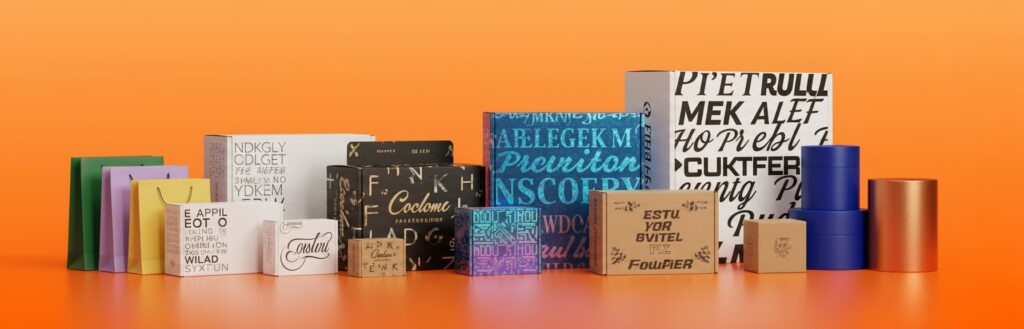
Typography plays a huge role in custom packaging since it lets the customer recognize certain brands easily. Good typography makes the package professional, attractive, and readable. The right font size and style can make any product stand out with ease from store or virtual store shelves. Bad typography tips for packaging confuses buyers and reduces the trust in any brand considerably. Every text on a package should be clear and appealing.
What is the typography tips for packaging?
Typography is the style, arrangement, and appearance of letters and words. Package typography speaks about the brand through its appearance: revealing the personality, quality, and message of the brand. Typography is comprised of font type, font size, letter spacing, color, and placement. Good typography makes packaging more readable and memorable.
Why Typography Matters for Brand Recognition
Creates Brand Identity
Typography not only gives a brand its unique voice, but even the look of one particular font can make an instant impact on remembering a certain brand. Most luxury brands use elegant serif fonts, for example. Fun brands may use playful, rounded fonts. Consistent typography strengthens brand recognition over time.
More Product Visibility
Text written in a readable and clear way attracts customers in the wink of an eye. Bold or large fonts, in fact, make it stand out on the crowded shelves. Proper contrast in text and background improves visibility.
Communicates information about the product
Typography guides the customer through product features, ingredients, and instructions. The information to be brought to the customer’s attention should be readable and not in small or fancy fonts, which buyers may misunderstand. Simple typography ensures the product message reaches the customer faster.
Strengthens emotional bond
Typography evokes emotions: soft and round fonts give a friendly feel, while sharp and bold fonts depict strength or confidence. The right font style strikes an emotional connection with the customer.
Choosing the Right Fonts for Packaging
Serif Fonts
In serif fonts, the ends of letters consist of small lines. Such typefaces look extremely traditional and classy; they are just fit for luxury products or premium packaging. Example: Times New Roman, Georgia.
Sans-serif fonts
Sans-serif fonts are fonts without extra lines. Modern and clean, sans-serif fonts fit well with clean and minimalist packaging. Example: Arial, Helvetica
Script Fonts
Script fonts are the ones that take on the look of handwriting or even calligraphy. They feel personal and creative. Best to use on packaging gifts or products targeting emotions, for example, Brush Script and Pacifico.
Display Fonts
Display fonts are most often fancy and intricate. They can suit applications like the display of logos or product names where they immediately grab attention, but should be judiciously used.
Font Size and Hierarchy
The font size creates hierarchy in packaging design. The bigger the font, the more important the information should be. Less important details will be in smaller fonts. Hierarchy will naturally guide the customer’s eye.
Example:
• Product Name: largest font, easy to read
• Tagline or Benefit: Medium font
• Ingredients or Details: Small font
Font Color and Contrast
The color of the font will affect readability and mood. High contrast between text and background is an aid to clarity. Example: Black text on a white background reads well. Color should reflect brand identity. Bright colors call attention, but still must be readable.
Letter Spacing and Line Height
Spacing of letters, kerning, enhances readability. The letters set too close are cramped, while letters set too wide feel disconnected. Line height or space between lines makes text readable. Balanced spacing produces professional packaging.
Typography Placement on Packaging
Place text where people naturally read it, from left to right and top to bottom. Place the most important information where it is seen first. Avoid busy backgrounds. The use of borders, shadows, or plain areas helps the text to stand out.
Consistency across products
Application of similar fonts and styles on all products will make the brand consistent. A similar style of text makes a brand familiar to customers. Employing different fonts on every other product confuses buyers. Consistent typography creates trust and loyalty.
Typography Tips for Different Packaging Types
Boxes
Flat surfaces of boxes are suitable for large text. It’s possible to write the name of the product in big and bold font. Attention is drawn to the minimal text in clear fonts.
Labels
Labels are smaller; font size should be readable. The most important information – brand name and product type – is larger compared to secondary information.
Bags
Bags can shift in transit or handling. Strong, bold fonts show up from a distance. High contrast colours are useful.
Pouches
Flexible pouches can fold or wrinkle. Avoid fonts with fine details. Simple, clear typography works best.
Combining Fonts Effectively
Two or more fonts can make packaging interesting. Remember these rules:
• Pair serif with sans-serif fonts for balance
• Use one font for the brand name, and another for details
• Avoid using more than three fonts on one package
Proper pairing of fonts makes packaging look attractive, not cluttered.
Common Typography Mistakes to Avoid
1. Too many fonts on one package
2. Small font size that is difficult to read
3. Low contrast text that blends in with the background
4. Overly decorative fonts for critical information
5. Ignoring brand consistency across products
By avoiding these mistakes, typography will help—rather than hurt—your brand.
How Typography Boosts Sales
Clear and attractive typography can create buying decisions. Every customer is drawn to packaging that appears professional and trustworthy. When the benefits of a product are highlighted through typography, it creates an interest in the product. Consistent, readable text builds confidence and brand loyalty.
Conclusion
Typography plays an integral part in successful packaging. Fonts that are clear, readable, and appealing help in creating brand recognition. Good choices of font, size, color, spacing, and placement increase trust in both customers and the visibility of the product. Consistent typography across products helps build stronger brand identities. Invest in typography to make sure your packaging is professional, attractive, and memorable.
FAQs on Packaging Typography
Q 1: Can any font be used for packaging?
Not all fonts are suitable for packaging. The chosen font must reflect the brand’s personality while remaining easily readable. Decorative or script fonts can be used for logos, headings, or emphasis, but body text and essential product information should always be clear. Poor font choices can confuse customers or reduce product trust.
Q 2: How many fonts are best for one package?
Using too many fonts can make packaging look cluttered. Typically, two fonts are sufficient: one for the brand name and one for product details. Occasionally, a third font may be used sparingly for highlights, but using more than three fonts is discouraged as it disrupts readability and weakens brand identity.
Q 3: Should font color always be bright?
Font color does not always need to be bright. What matters most is contrast with the background, ensuring the text is legible. For example, dark fonts on light backgrounds or light fonts on dark backgrounds are most effective. The color should also align with the brand’s aesthetic—subtle tones for premium products, or bold colors for energetic, playful products.
Q 4: Does typography affect online sales?
Yes, typography significantly impacts e-commerce success. Clear, readable fonts improve product representation, make details easy to understand, and build customer confidence. Customers are more likely to buy products with well-organized, professional-looking packaging that is easy to read on screens of all sizes.
Q 5: How about font consistency?
Consistency in font usage across all packaging and branding materials strengthens brand recognition. Consistent typography signals professionalism, builds trust, and enhances brand loyalty. Changing fonts randomly across products can confuse customers and dilute the brand image.
Q 6: Can custom fonts help in brand differentiation?
Yes. Custom or proprietary fonts create a unique identity and help the brand stand out from competitors. Unique fonts can become associated with the brand, enhancing recall and consumer loyalty.
Q 7: How does font size affect readability?
Font size is critical for readability. Important information like product name, dosage, or instructions should be clearly visible, even from a distance. Small or overly decorative fonts can make the text difficult to read and may discourage potential buyers.
Q 8: Are serif or sans-serif fonts better for packaging?
Both have their advantages. Sans-serif fonts are modern, clean, and easy to read, making them ideal for body text. Serif fonts convey elegance and tradition, often used for luxury or premium products. The choice depends on the brand personality and product category.
Q 9: Should typography match other design elements?
Yes. Typography should complement colors, images, textures, and overall packaging style. Harmonious design creates visual appeal, guides the customer’s attention, and strengthens brand messaging.
Q 10: Can typography influence perceived product quality?
Absolutely. Well-chosen, professional fonts can make a product appear more premium, reliable, and trustworthy. Conversely, sloppy or hard-to-read fonts can make a product feel cheap or low-quality, affecting customer perception and sales.
Q11: Can typography improve the unboxing experience?
Yes. Thoughtful typography guides the customer’s eye, highlights important information, and creates a sense of excitement or luxury during unboxing. Clear and well-designed text can make the product feel more premium and enhance overall customer satisfaction.