
Top Food Packaging Ideas That Keep Products Safe and Attractive
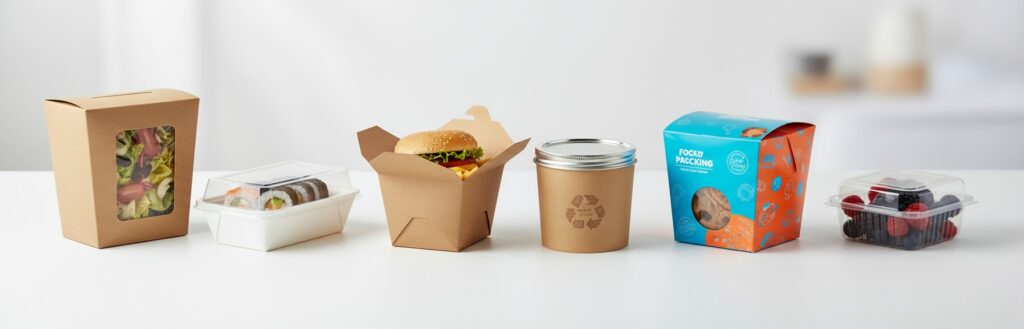
Food packaging is crucial for maintaining the safety and freshness of food. Good packaging also makes food attractive. Safe and attractive packaging of food helps engender customer trust in the product. Many brands utilize smart packaging ideas to protect food and increase sales. The article explains top ideas about food packaging that work for different types of food.
Reason for Packing Food
Food custom packaging does not only wrap food; it does lots of things:
It protects food from dust, germs, and damage.
It helps keep the food fresh for a longer period.
Food items are easily portable and storable.
Looks very attractively designed; therefore, it can attract consumers.
Provides information about ingredients, expiration dates, and nutritional facts.
Good packaging of food items increases sales and lessens waste. Hence, the selection of appropriate packaging by a food company becomes very crucial.
Classes of food packaging materials
Food packaging is made with different materials, according to the product:
1 Paper & Cardboard
Paper and cardboard are environmentally friendly and lightweight. They are good for dry foods like cookies, snacks, and cereals. The printed boxes and cartons make the product look attractive. Kraft paper is popular because it is strong and safe to use with food.
2 Plastic Packaging
Plastic also withstands harsh conditions and keeps food fresh for a long time. It performs excellently when carrying liquid products, frozen foods, or ready-to-eat meals. Clear plastic packaging can reveal the product inside, which is very attractive to customers. Even biodegradable plastic is popular for greener packaging.
3 Glass Bottles
Glass containers are appropriate for beverages, such as juices, sauces, and jams. There is no effect on the taste of food from glass. This is reusable and recyclable. Many high-end brands use glass jars due to their high-quality appearance.
4 Metal Package
Foodstuffs, beverages, and pet foods are packed in metallic tins and cans. Metallic packaging is tough enough and protects food from light, air, and microorganisms. Aluminum cans are light and easy to carry around.
5 Green Packaging
Eco-friendly packaging uses materials that are biodegradable or recyclable. Examples include paper, cardboard, and bio-based plastics. This kind of packing is desired by customers who are conscious about the conservation of the environment.
Innovatory Packaging of Food
Packaging for fresh food like fruits, vegetables, and bakery items should ensure that freshness is preserved. Some ideas are:
1 Vacuum Packaging
The Vacuum packaging sucks all the air out of the package. This keeps foods fresh longer because it prevents bacteria or mold from growing.
2 Atmosphere Packaging
Modified atmosphere packaging, or MAP in short form, is a method employed by replacing oxygen with other gases like nitrogen or carbon dioxide. This process reduces spoilage and keeps food fresh for a longer period. It finds its application for meats, fishes, and fresh produce.
3 Clamshell Packaging
Clamshell packaging is made of clear plastic or cardboard. It is used for packaging berries, salads, and sandwiches. The see-through package aids the consumer in seeing the product inside the package.
4 Biodegradable Trays
Biodegradable trays made from sugarcane, cornstarch, or bamboo are non-toxic and bio-friendly. These trays are used for bakery items, fruits, and vegetables.
Innovatory Ideas of Food Packaging for Snack and Dry Foods
Dry foods, such as chips, cookies, and nuts, require protection from moisture and breakage. Some ideas include:
1 Stand-up Pouches
Resealable pouches keep the snacks fresh even after opening; zipper or zip-lock pouches are convenient for the customer.
2 Stand-Up Pouches
Stand-up pouches stand on the shelves and clearly show the product. They are lightweight and easily transported.
3 Boxes Printed
Snacks are more attractive when they come in coloured, bright boxes with logos. Boxes can be made eco-friendly and recyclable too.
4 Elastic Film
Wrapping Flexible film packages are used for chips, biscuits, candy, etc.; it protects food from air, moisture, and dust.
Concepts of Liquid Food Packages
Liquid foods, such as juices, milk, sauces, and soups, require tough leakproof packaging. Some ideas include:
1 Bottles and Jars
Glass or plastic bottles and jars are ideal for liquid foods. Screw-cap bottles prevent leakage, while glass jars make sauces and jams appear more premium.
2 Tetra Pak Cartons
Juices, soups, and milk packed in Tetra Pak cartons are harmless to consume. They save liquid from air, bacteria, and light. Tetra Pak is lightweight and easy to store.
3 Stand-Up Pouches
The spouted pouches are handily used for pouring liquids. They are utilized for packaging sauces, juices, and baby foods.
4 Cans
Cans are strong and keep liquids safe for a long time. Carbonated drinks and canned soups use metal packaging.
Ideas of Frozen Food Packaging Design
Frozen foods require packages that can withstand freezing temperature and prevent freezer burn. Some ideas include:
1 Freezer-Safe Plastic Bags
It also provides thick plastic bags that are used in frozen vegetables, fruits, and meat. These are leak-proof and prevent freezer burn.
2 Vacuum-Sealed Packs
Vacuum-sealing prevents months of freezer burn. No air in, no ice crystals in, more longevity.
3 Insulated Boxes
Frozen delivery uses insulated boxes. They will maintain food in its frozen state during transportation.
4 Multi-Layer Packaging
Multilayer packaging combines plastic, paper, or foil for Frozen Food Meal’s strength and protection.
Food Packaging Ideas of Gourmet & Premium Food
Premium food like chocolates, cakes, and spices needs attractive packaging. Ideas include:
1 Rigid Containers
Rigid boxes are strong and luxurious. They are used for chocolates, nuts, and premium bakery items.
2 Window Boxes
Window boxes have a clear opening to show the product inside. Customers can see chocolates, cookies, or snacks without opening the box.
3 Pouches and Embossed Packaging
Foil stamping, embossing, and gold/silver printing make packaging look premium. It works well for chocolates and gift items.
4 Custom Printed Bags
Custom printed paper or cloth bags are used for premium food. They improve brand identity and attract customers.
Concepts on Intelligent Food Packagings
Examples include smart packaging that make foods safer and more convenient, such as:
1 Tamper-Clear Seals
Tamper-evident seals show if packaging is opened. They are important for safety and trust.
2 QR Code on Packaging
QR codes provide information about ingredients, recipes, or promotions. Customers can scan codes using smartphones.
3 Portion-Control Packaging
Portion-control packaging divides food into small servings. It is useful for snacks, cereals, and ready-to-eat meals.
4 Temperature-Sensitive Packaging
Temperature-sensitive packaging changes color if food is too hot or cold. It ensures safe consumption.
Eco-Friendly Food Wrapping Ideas
It reduces packaging waste and protects the environment. Some ideas for such packs include:
1 Biodegradable packaging
Biodegradable packaging breaks down naturally. It is used for snacks, bakery items, and fresh produce.
2 Compostable Packaging
Compostable packaging turns into compost in natural conditions. It is eco-friendly and safe for the environment.
3 Recyclable Package
Recyclable packaging can be reused to make new products. Paper, cardboard, glass, and some plastics are recyclable.
4 Minimalist Packaging
Minimalist packaging uses less material while keeping food safe. It is simple, eco-friendly, and reduces cost.
Tips for Appealing Food Packaging Design
Good design attracts more customers and boosts sales. Some tips include:
Use bright colors, clear logos.
Include product information and nutrition labels.
Using only ecological and qualitative materials:
Add shapes or windows specifically to show the product.
Make the package easy to open and reclose.
Food Packager Selection
The choice of correct packaging depends on:
Food type: Fresh, dry, frozen, or liquid.
Shelf-life: the period over which food remains fresh.
Target Customer: Age Group, lifestyle, and preference.
Brand image: luxurious, affordable, or green.
Safety and convenience: leak-proof, easily carried, and hygienic.
Food Packaging: Future Trends
Food packaging is changing with technology and customer preferences. Future trends include:
Intelligent packaging with sensors and QR codes.
More biodegradable and recyclable materials.
Minimalist and reusable packaging.
Original shapes and designs to capture customer’s attention.
Eco-friendly printing techniques.
FAQ Section
Q 1: Why is food packaging important?
Food packaging keeps food safe, fresh, and attractive for customers.
Q 2: What materials are best for eco-friendly packaging?
Paper, cardboard, plant-based plastics, and biodegradable trays are best.
Q 3: How can packaging increase sales?
Attractive packaging with clear logos and colors attracts customers and builds trust.
Q 4: What is vacuum packaging?
Vacuum packaging removes air from packaging to keep food fresh for longer.
Q 5: What is the difference between biodegradable and recyclable packaging?
Biodegradable packaging breaks down naturally, while recyclable packaging can be reused to make new products.
Q 6: How does food packaging prevent contamination?
Food packaging protects food from dust, germs, moisture, and air, helping to keep it safe for consumption.
Q 7: Can food packaging extend the shelf life of products?
Yes, proper food packaging slows down spoilage by preventing exposure to air, light, and bacteria.
Q 8: What is smart food packaging?
Smart food packaging uses technology like QR codes, sensors, or indicators to provide information about freshness and safety.
Q 9: Why is airtight packaging important for food?
Airtight packaging stops oxygen from entering, which reduces the growth of bacteria and keeps food fresh.
Q 10: How does attractive packaging influence customer buying decisions?
Attractive packaging grabs attention, builds trust, and makes customers more likely to choose the product.