
Top 10 Sustainable Packaging Ideas for 2025 and Beyond
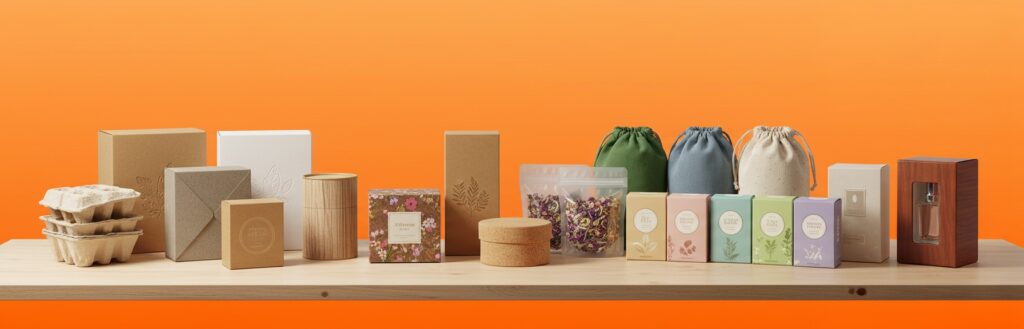
Sustainable packaging has become very important for brands and businesses. It is certain that customers will prefer products that are good for the environment. Making eco-friendly packaging reduces waste, protects the natural world, and, in turn, benefits the brand image as well. The article discusses the top 10 sustainable packaging ideas for the year 2025 and beyond.
1. Biodegradable Packaging
Biodegradable packaging is manufactured from materials that naturally decompose within the environment. They do not harm soil, water, or air. Common materials used include cornstarch, sugarcane, and mushroom-based products.
Benefits of Biodegradable Packaging
Reduces landfill waste.
It protects oceans and wildlife.
Demonstrates environmental responsibility.
Examples
Food containers made from sugarcane bagasse.
Biodegradable packing peanuts
Mushroom-based packaging for fragile items.
2. Recyclable Packaging
Recyclable packaging is a type that, after processing, can be used again. It includes paper, cardboard, and certain plastics. Such packaging helps save natural resources and reduces the carbon footprint.
Benefits of Recyclable Packaging
Reduced raw material consumption.
Encourages circular economy.
Supports eco-conscious branding.
Tips for Use
Print recycling symbols clearly.
Avoid mixing materials that are difficult to separate.
Encourage customers to recycle packaging after use.
3. Compostable Packaging
Compostable packaging turns into organic matter when disposed of in composting systems. It is similar to biodegradable packaging but requires proper composting conditions.
Benefits of Compostable Packaging
Creates nutrient-rich soil.
Reduces emissions of greenhouse gases.
Suitable for food and cosmetic products.
Examples
Compostable coffee cups.
Compostable mailer bags.
Compostable food wrappers.
4. Reusable Packaging
Reusable packaging presupposes repeated usage before being discarded. It is durable and designed for multiple uses. It minimizes single-use waste.
Benefits of Reusable Packaging
Reduces packaging costs over time.
Encourages sustainable consumer behavior.
Practical designs increase brand loyalty.
Examples
Glass jars for sauces and spreads.
Shopping or delivery bags made of fabric.
Refillable cosmetic containers.
5. Plant-Based Packaging
Plant-based packaging is manufactured from renewable plant materials, as opposed to petroleum-based plastics. Common examples include cornstarch, sugarcane, bamboo, and rice husk.
Benefits of Plant-Based Packaging
Reduces dependence on fossil fuels.
Biodegradable and compostable options available.
Supports sustainable agriculture.
Examples
Cornstarch cutlery.
Gift boxes made of bamboo.
Rice husk trays for food packaging.
6. Minimalist packaging
Minimalist packaging uses fewer materials and simpler designs. This kind of packaging reduces waste and saves energy. It also improves product visibility and brand recognition.
Benefits of Minimalist Packaging
Lowers production and transportation costs.
Reduces environmental impact.
Attracts eco-sensitive customers.
Examples
Paper wraps instead of boxes.
Simple cardboard mailers without additional inserts.
Plastic-free labels and stickers.
7. Water-Soluble Packaging
Water-soluble packaging completely dissolves in water. Therefore, it is appropriate for items such as small detergents, powders, and single-use products. This packaging reduces waste sent to the landfill dramatically.
Benefits of Water-Soluble Packaging
Eliminates plastic waste.
It won’t harm the environment when dissolved.
Ideal for single-use products.
Examples
Detergent pods are in a water-soluble film.
Snack packaging that is edible or dissolvable.
Water-soluble sachets for cosmetics.
8. Edible Packaging
Edible packaging is capable of being eaten or safely digested by human beings and animals. This is quite a different solution for plastic reduction in the food industry.
Benefits of Edible Packaging
Zero waste production.
Innovative, yet appealing to customers.
Can add flavor or nutrition to products.
Examples
Rice paper for candy or snacks.
Seaweed wrappers for sushi.
Edible cups for beverages.
9. Upcycled Packaging
Upcycled packaging makes use of waste materials in the making of new packaging. Old cardboard, fabric, and plastics can be transformed into attractive and durable packaging.
Benefits of Upcycled Packaging
Reduces waste sent to landfills.
Saves resources and energy.
Adds uniqueness to the packaging-it looks handmade.
Examples
Gift boxes made from recycled cardboard.
Bags made out of old fabric or denim.
Containers made of used glass bottles.
10. Smart Sustainable Packaging
Smart sustainable packaging incorporates technologies into its materials that are environmentally friendly. It provides better product tracking, reduces waste, and offers improved consumer experiences.
Benefits of Smart Sustainable Packaging
Monitors product freshness and safety.
Reduces custom packaging waste by offering accurate measurements.
Engages customers with QR codes or augmented reality.
Examples
QR-coded biodegradable mailers.
Temperature-sensitive compostable packaging for food.
Smart packaging that indicates reuse or recycling possibilities.
How to Choose the Right Sustainable Packaging
Choosing the right sustainable packaging does depend on several factors, including product type, budget, and brand goals. Consider the following steps:
Understand the product requirement: fragile, perishable, or heavy products shall require heavier packaging.
Assess environmental impact: Select biodegradable, compostable, or recyclable materials.
Consider customer convenience: Reusable and easy-to-recycle packaging attracts more buyers.
Brand Alignment: Packaging design should be reflective of environmentally-friendly brand values.
Compliance: Guarantee that the packaging is according to the law and the regulations of the sector.
Benefits of Using Sustainable Packaging
There are many sustainable packaging advantages for businesses and the Earth.
Environmental protection: Reduces waste and pollution.
Customer trust: Through environmental care, customers would be attracted to the brand.
Cost reduction: An effective design reduces the cost of production and transportation.
Market Advantage: Eco-friendly packaging appeals to environmentally conscious consumers.
Innovation: Unique packaging ideas further enhance brand awareness.
Future Trends in Sustainable Packaging
The future of packaging is focused on innovation and environmental responsibility. Trends include:
More plant-based and biodegradable materials.
Increased use of smart technology in packaging.
Reusable and recyclable packaging material for long life.
Zero-waste circular economy approaches.
Brand and environmental organization collaborations.
Conclusion:
Sustainable packaging is no longer a fad-it is a necessity for the future. It’s where brands earn customer trust, reduce environmental degradation, and stay competitive. Biodegradable, recyclable, reusable, plant-based, and smart packaging ideas give businesses a number of options in 2025 and beyond. By choosing the right sustainable packaging, you ensure your product is not only safe and attractive but also responsible toward the environment.
FAQ Section
Q1: What is sustainable packaging?
Sustainable packaging uses eco-friendly materials that reduce environmental harm and waste.
Q2: Why is sustainable packaging important?
It protects nature, decreases waste, and enhances brand reputation.
Q3: Can all packaging be recyclable?
No. Only materials such as paper, cardboard, and some plastics can be recycled.
Q4: What is biodegradable packaging?
Packaging that degrades naturally in soil, water, or compost without harming the environment.
Q5: Is reusable packaging economical?
Yes, it. Although probably more expensive initially, it reduces long-term packaging expenses and builds customer loyalty.
Q6: What materials are most commonly used in sustainable packaging?
Sustainable packaging often uses materials that are renewable, recyclable, or compostable. These include Kraft paper, corrugated cardboard, bamboo fiber, bioplastics made from corn or sugarcane, mushroom-based packaging, seaweed film, and recycled paper pulp. These materials reduce dependence on plastic and minimize environmental harm.
Q7: How does sustainable packaging help businesses reduce environmental impact?
By using eco-friendly materials, brands significantly cut down on pollution, landfill waste, and carbon emissions. Sustainable packaging often requires less energy to produce and can be recycled or composted easily. This reduces the overall environmental footprint of the business and supports global sustainability goals.
Q8: Can sustainable packaging be used for food and cosmetic products safely?
Yes. Many sustainable materials such as Kraft paper, PLA bioplastic, and molded fiber are food-safe and free from harmful chemicals. These materials offer excellent protection and can safely hold items like snacks, cosmetics, oils, creams, and beverages while keeping them fresh and uncontaminated.
Q9: Is sustainable packaging strong enough for heavy or fragile items?
Modern sustainable packaging is engineered for durability. Corrugated cardboard, molded fiber inserts, and reinforced Kraft boxes are strong enough to hold heavy products and protect fragile items during shipping. These materials provide shock absorption, stability, and resistance against moisture or pressure.
Q10: How does sustainable packaging influence customer buying decisions?
Consumers today prefer brands that demonstrate environmental responsibility. Sustainable packaging builds trust, improves brand image, and makes products look more premium. Many buyers willingly choose eco-friendly packaged products—even at a higher price—because it aligns with their values.
Q11: Can sustainable packaging be customized for branding and marketing?
Absolutely. Sustainable packaging supports high-quality printing, embossing, debossing, die-cut windows, and custom shapes. Brands can use natural color palettes, minimalistic designs, and eco-labels to highlight their green identity. This enhances product visibility and strengthens overall branding.
Q12: What challenges do companies face when switching to sustainable packaging?
Some challenges include higher initial costs, limited availability of certain eco materials, and the need to redesign existing packaging systems. However, these challenges are temporary. In the long term, sustainable packaging reduces waste, lowers shipping costs, and boosts customer loyalty—making it a profitable move.
Q13: How does sustainable packaging contribute to a circular economy?
Sustainable packaging encourages recycling, reuse, and composting, which keeps materials in use for as long as possible. By returning packaging materials to the production cycle instead of sending them to landfills, it supports a circular economy and reduces the need for virgin resources.
Q14: Can sustainable packaging reduce shipping costs?
Yes. Many eco-friendly materials are lightweight yet durable. Using lighter packaging reduces transportation weight, which lowers fuel consumption and shipping expenses. This makes sustainable packaging cost-effective in addition to being environmentally responsible.
Recyclable packaging seems like such a simple, yet impactful way to reduce our carbon footprint. I’d love to see more companies include clear instructions on how to properly recycle these materials, especially when they’re mixed with other substances.