
The Hidden Power of Custom Inserts in Packaging Design
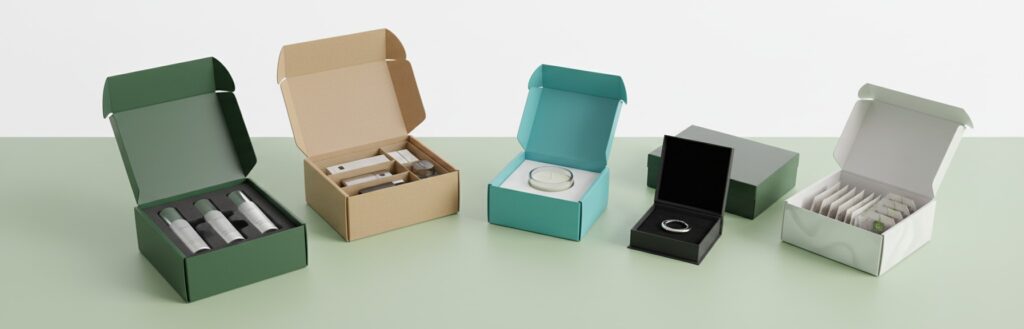
Inserts are indeed small but mighty elements that bring packaging design to life. They enhance product safety, improve presentation, and leave a permanent mark on the minds of targeted customers. Too often, several brands underestimate the role inserts play in making any ordinary-looking packaging stand out as premium packaging. Inserts assist in arranging the products in such a manner that they avoid possible damage during shipment.
What are Custom Design Inserts?
Inserts are generally specially designed materials that hold products in place when inside packaging. Insert materials generally consist of cardboard, foam, paper, and moulded pulp. Most of them are designs fitted to the shape of a product. The main uses include protection of the product and presentation in an organized look.
Types of Inserts
Cardboard inserts are extremely affordable, eco-friendly, and can serve as soaps, chocolates, or even small gifts.
• Foam Inserts
• Cardboard Inserts
• Plastic Inserts
Benefits of Custom Inserts
Custom inserts enhance both the safety and appearance of packaged products. They help brands deliver items securely while creating a neat and professional unboxing experience.
1. Product protection
Custom inserts inside prevent the shifting of products inside the box, hence minimizing breakages when being moved. Inserts also absorb shock and protect fragile items.
2. Better Presentation
Inserts arrange a number of products in one package. Unpacking is considered easy because of less mess. Items are safely stored by both the retailer and the customer.
Custom Inserts – Design Considerations
• Fit and Sizing
• Material Selection
• Aesthetic appeal
• Ease of use
Applications of Custom Inserts
Custom inserts are widely used across different industries to improve product safety and organization. They help maintain product quality while enhancing overall packaging efficiency and presentation.
1. Foodstuff and Confectionery
Inserts of cardboard also help in chocolate boxes and snack packs. These inserts will help prevent items from moving and breaking. They also provide an elegant display.
2. Medicaments
Custom Packaging medicine is about safety and hygiene. Either plastic or molded pulp inserts separate pills, bottles, or vials from one another to avoid contamination and any physical damage.
Sustainability in Custom Inserts
The biggest trend nowadays is sustainability in packaging. Inserts can also be made in an ecological manner, taking as basic materials recycled or even biodegradable materials. Inserts made from cardboard and molded pulp reduce the consumption of plastic. Eco-friendly inserts will show customers responsibility and care. Brands using sustainable inserts create a positive image.
How Custom Inserts Enforce Marketing
Inserts can carry brand messages. Even small cards or printed patterns can say it all about a brand. Due to the details in packaging, customers are emotionally connected with the brand.
A single insert that shows thoughtfulness can make a first-time buyer become a recurring one; the insert, in fact, depicts that care and attention have been accorded to the product.
Upselling opportunities
Inserts carry small promotional spaces. Additional samples, discount coupons, or other offers encourage repeat business.
How to Design Effective Custom Inserts
Designing effective custom inserts requires a balance between protection, functionality, and visual appeal. A well-planned insert design ensures product safety while enhancing brand value and customer satisfaction.
1. Choosing the Right Material
Choose either foam, cardboard, molded pulp, or plastic. Consider protection, sustainability, and cost.
2. Select the Insert Type
Distinguish between single-piece inserts and multi-layered inserts that separate several products.
3. Adding branding elements
Printing of brand logos, colors, or patterns; Aesthetic inserts to enhance customer experience.
4. Testing of design
Manufacture the inserts in bulk lots that are assured of quality and uniformity after final approval.
Cost Issues
Custom inserts are powerful. But mistakes can dilute that. By avoiding these common issues, you help to make your products better protected and your customers happier.
Poor Fit: It should be of a custom shape and size according to the product.
This is done by gauging the products carefully and then designing the inserts accordingly.
Material Oversight: The incorrect selection of the material has several implications for product safety and brand image.
Environmental Impact: Plastic inlays provide a protective layer but are harmful to the environment.
Tennis: Complex inserts are a nuisance to consumers.
Problem: cannot keep different versions of products or sizes.
Trends in Custom Inserts
Custom insert designs are evolving to meet sustainability goals and enhance customer experience. Modern trends focus on eco-friendly materials, flexible designs, and premium finishes that add value to packaging.
1. Green Materials
Sustainability is increasingly important for packaging.
2. Recycled Materials
Cardboard or molded pulp from recycled sources. Adds a modern touch to this brand connection. Various insert designs add to the unboxing experience.
Shaped Inserts: Cut-outs or contours to match product shape.
Textured Inserts: Velvet, embossed patterns, or glossy finishes.
Benefit: Creates a memorable and premium feel for the customer.
3. Modular Inserts
Flexibility is key for brands with multiple product sizes.
Adjustable Inserts: Can hold different products using dividers or removable sections.
Cost Efficiency: Reduces the need for multiple insert designs.
Benefit: Saves money while maintaining product protection and presentation.
Conclusion
Custom inserts are small things that make a huge difference in packaging design. They protect products, improve brand perception, improve unboxing experience, and even improve customer loyalty. You just have to make sure that you get the right material, design, and fit to benefit the most from it. Along with the rise in importance of sustainability and premium experiences, the humble custom insert is the underappreciated yet powerful tool lurking in your packaging strategy.
Section of FAQs
Q 1: What is the main purpose of using custom inserts?
To protect products, organize them, and improve presentation.
Q 2: Which materials should be used for custom inserts?
It depends on product type, but generally, one may use foam, cardboard, molded pulp, and plastic.
Q 3: Does putting an insert increase the cost of packaging?
Yes, slightly, but it decreases the cost of damages and increases perceived value.
Q 4: How does an insert create a better unboxing experience?
They manage your products nicely and present items in a premium manner.
Q 5: Are eco-friendly inserts efficient?
Yes, they not only protect your products but also meet your sustainability goals.
Q 6: How do custom inserts improve product safety?
Custom inserts hold products firmly in place, reducing movement during shipping and handling. They absorb shocks and vibrations, especially for fragile items, which significantly lowers the risk of cracks, scratches, or breakage.
Q 7: Can custom inserts be used for all types of products?
Yes, custom inserts can be made for almost all types of products, including electronics, cosmetics, jewelry, medicines, food items, and gift products. They are designed according to the product’s shape, size, and weight.
Q 8: How do custom inserts help in branding?
Custom inserts can be printed with brand logos, colors, patterns, and messages. This gives the packaging a professional and premium look and creates a strong emotional connection with customers when they open the box.
Q 9: How can inserts be made environmentally friendly?
Eco-friendly inserts are made from recycled cardboard, molded pulp, kraft paper, bamboo fiber, and biodegradable materials. These materials reduce environmental impact and help brands build a responsible, sustainable image.
Q 10: Are custom inserts necessary for online shipping?
Yes, custom inserts are very important for online shipping because products are handled more roughly and travel long distances. Inserts keep products stable and protect them from damage during transit.
Q 11: How long does the custom insert design process take?
The design process depends on the complexity of the product. Simple inserts can be designed in 2–3 days, while complex, multi-layered inserts may take 1–2 weeks, including prototype testing.
Q 12: Are custom inserts reusable?
Yes, many custom inserts, especially foam and plastic ones, can be reused by customers for storage and organization. Reusable inserts also create a positive brand image by reducing waste.
Q 13: Do custom inserts increase the overall packaging cost?
Custom inserts may slightly increase the initial packaging cost, but they reduce product damage, returns, and replacements. In the long run, they help save money and increase the perceived value of the product.
Q 14: What is the difference between standard and custom inserts?
Standard inserts are pre-made in common sizes and shapes, while custom inserts are designed specifically for a product’s exact size, shape, and protection needs. Custom inserts offer better fit, safety, and branding opportunities.
Q 15: Can custom inserts be designed for luxury packaging?
Yes, custom inserts are widely used in luxury packaging. Velvet, satin, textured foam, and premium cardboard materials are used to create a high-end look and feel, enhancing the overall unboxing experience.
Q 16: Can custom inserts be designed for heavy products?
Yes, custom inserts can be specially designed for heavy products using strong materials like high-density foam, thick cardboard, or molded pulp. These sturdy inserts provide extra support and prevent the product from shifting, breaking, or damaging the outer packaging.
Q 17: How do custom inserts improve the customer unboxing experience?
Custom inserts create a neat and organized layout inside the box, making products look premium and easy to access. A well-designed insert adds a “wow” factor when the customer opens the package and makes the brand feel more professional and trustworthy.
Q 18: Can custom inserts be used for gift packaging?
Yes, custom inserts are perfect for gift packaging. They help arrange items beautifully inside the box, keep them secure, and enhance the overall presentation. This makes the gift feel more special and increases its emotional value for both the giver and the receiver.
Q 19: How do custom inserts help reduce product returns?
Custom inserts keep products secure and protected during shipping and handling, which reduces the chances of damage. When customers receive their items in perfect condition, complaints and returns decrease, saving costs for businesses and improving customer satisfaction.