
The Hidden Power of Custom Inserts in Packaging Design
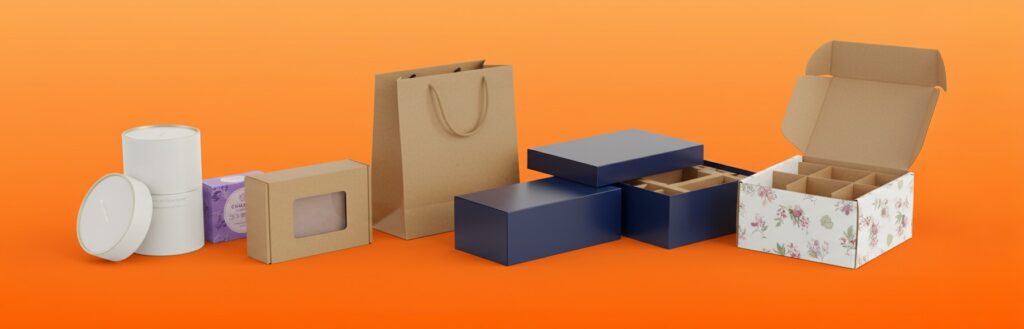
Packaging does more than just protect a product. It tells a story, shows quality, and builds trust. Custom inserts in packaging play a secret but important role in this process. Every product that reaches a customer is an opportunity to create a strong impression. A simple box can look ordinary, but with a well-designed insert, it can feel like a gift.
Custom inserts fit inside boxes to hold products securely. They prevent damage, organize items, and create a premium look. Many brands focus only on the outside design of boxes and miss the power of inserts. A strong custom packaging strategy combines both.
What Are Custom Inserts?
Custom inserts are shaped materials placed inside product boxes. They can be made from cardboard, foam, paper, or plastic. Each insert is designed to fit the product perfectly.
The main job of an insert is to protect items during shipping. For example, fragile items like glass bottles, electronics, or candles need inserts to prevent breakage. Inserts also keep multiple items organized in one box.
Apart from protection, inserts enhance the unboxing experience. Customers feel a sense of care and attention when items arrive neatly placed inside.
Benefits of Custom Inserts
1. Protection During Shipping
The most important benefit of inserts is product safety. Shipping can be rough. Boxes can get shaken, stacked, or dropped. Without inserts, items can get damaged. Foam, cardboard, or molded inserts keep products in place.
Protection is not just physical. Secure packaging builds customer trust. When products arrive safely, customers feel confident about the brand.
2. Better Organization
Custom inserts organize items inside the box. Multiple products, small accessories, or parts fit perfectly in their places. Organized packaging reduces confusion. Customers can see every item clearly when they open the box.
3. Premium Look and Feel
Inserts make packaging look expensive and high-quality. A simple box with an insert can feel like a luxury product. Brands that want to give a premium experience often use velvet, foam, or custom-cut cardboard inserts.
This visual and tactile experience increases perceived value. Customers feel that the product inside is important and special.
4. Branding Opportunities
Custom inserts also help in branding. Inserts can be printed with brand colors, logos, or messages. A branded insert strengthens brand identity. Even small details like a logo on the insert leave a strong impression on the customer.
5. Enhanced Unboxing Experience
The unboxing experience is the first physical interaction with a product. Inserts make unboxing exciting. Items placed neatly, with each product in its own space, create joy and surprise.
Many brands use this experience as a marketing tool. Customers often share unboxing videos on social media. This spreads brand awareness without extra cost.
Types of Custom Inserts
1. Foam Inserts
Foam inserts are soft and protect fragile products. They are perfect for electronics, glass items, and cosmetics. Foam can be cut to fit the exact shape of the product.
Foam inserts can also be colored or printed with logos. They provide strong protection and a premium look.
2. Cardboard Inserts
Cardboard inserts are eco-friendly and lightweight. They are easy to design and cost-effective. Cardboard inserts can hold products in compartments, keeping multiple items organized.
Brands that want sustainability often prefer cardboard inserts. They can be recycled and are safe for the environment.
3. Molded Pulp Inserts
Molded pulp is made from recycled paper. It is strong, lightweight, and eco-friendly. Molded pulp is used for electronics, food items, and fragile glass products.
It protects products during shipping and gives a natural, earthy look. It is perfect for brands that care about sustainability.
4. Plastic Inserts
Plastic inserts are clear or colored. They are often used in cosmetics or electronics. Plastic inserts hold products securely and show the product clearly without removing it from the box.
How Custom Inserts Improve Customer Experience
1. Easy Access to Products
Inserts make it easy for customers to remove products from the box. Each item has a place, so there is no struggle to take out the product.
Easy access reduces frustration and improves satisfaction. Customers feel happy when unboxing is simple and smooth.
2. Product Safety Creates Trust
When products arrive undamaged, it builds trust. Customers believe the brand cares about quality. Inserts ensure that even fragile products reach customers safely.
Trust leads to repeat purchases and positive reviews. This is essential for long-term business growth.
3. Creates Memorable Unboxing
A well-designed insert makes unboxing memorable. Customers feel special when each product is in a perfect position. Memorable unboxing leads to word-of-mouth marketing.
How to Choose the Right Custom Insert
1. Know the Product
The first step is to study the product. Its size, weight, and fragility matter. For fragile items, foam or molded pulp is ideal. For lightweight items, cardboard or paper inserts are enough.
2. Consider Sustainability
Eco-friendly inserts attract modern customers. Cardboard and molded pulp are sustainable options. Sustainable inserts improve brand image.
3. Match the Brand Image
The insert should reflect the brand. Luxury brands can use foam or velvet inserts. Eco-conscious brands can choose molded pulp or cardboard. The material, color, and design must match the brand style.
4. Think About Cost
Custom inserts can vary in price. Foam and plastic are more expensive. Cardboard and molded pulp are cost-effective. Budget-friendly options can still look premium with smart design.
Tips for Designing Effective Custom Inserts
Precise Measurements
The insert must fit the product exactly. Too tight can damage items. Too loose can cause movement. Proper measurements ensure safety and presentation.
Quality Materials
Use strong and durable materials. Foam, cardboard, or molded pulp should hold products securely. Material quality also adds a premium feel.
Easy to Remove
Design inserts so that products are easy to take out. Smooth edges and proper spacing make unboxing enjoyable.
Add Branding Details
Include brand colors, logos, or messages. Even small branding details increase recognition and customer connection.
Test Before Final Production
Always test inserts before mass production. Check protection, ease of use, and presentation. This avoids problems and ensures quality.
Conclusion: The Hidden Power of Custom Inserts
Custom inserts are more than just protective tools. They organize products, improve safety, enhance unboxing, and strengthen brand identity. Every brand that wants a strong impression should consider inserts as part of packaging design.
Investing in inserts increases perceived value, builds trust, and creates memorable experiences. Well-designed inserts can turn simple packaging into a silent salesperson. They do not speak, but they communicate care, quality, and attention to detail.
Smart brands understand this hidden power and use it to stand out in a crowded market. The right insert makes every package a premium experience and every unboxing a special moment.
FAQ Section
Q 1: What materials are used for custom inserts?
Materials include foam, cardboard, molded pulp, and plastic. Each material has its own benefits.
Q 2: How do inserts improve unboxing experience?
Inserts organize products and make unboxing smooth and enjoyable, leaving a premium impression.
Q 3: Are custom inserts expensive?
Cost depends on material and design. Foam and plastic are more expensive, cardboard and molded pulp are affordable.
Q 4: Can inserts be eco-friendly?
Yes. Cardboard and molded pulp inserts are sustainable and recyclable, suitable for eco-conscious brands.
Q 5: Do inserts help with brand recognition?
Yes. Inserts with logos, colors, and messages strengthen brand identity and make a lasting impression.
Q6: How do custom inserts protect fragile products?
Custom inserts, like foam, molded pulp, or cardboard, hold products securely in place. They prevent movement inside the box during shipping, which reduces the risk of breakage. Fragile items such as glass bottles, electronics, or ceramics are kept safe, ensuring the product reaches the customer intact and builds trust in the brand.
Q7: Can inserts enhance the perceived value of a product?
Yes. Inserts create a premium presentation by neatly arranging products, adding layers, or using luxurious materials like velvet or foam. When customers see items perfectly organized and presented, it elevates the perceived quality of the product, making it feel more valuable and exclusive.
Q8: How do custom inserts contribute to sustainability?
Eco-friendly materials like cardboard or molded pulp can be used to create inserts that are recyclable or biodegradable. This not only protects the environment but also communicates the brand’s eco-conscious values, appealing to environmentally aware customers and improving brand image.
Q9: What factors should be considered when designing custom inserts?
When designing inserts, brands should consider:
• Product size and fragility – ensuring a perfect fit and protection.
• Material selection – balancing durability, cost, and eco-friendliness.
• Ease of use – products should be easy to remove without damage.
• Branding elements – logos, colors, and messages to enhance brand identity.
• Testing – trial runs ensure functionality, protection, and visual appeal before mass production.
Q10: Can custom inserts improve customer loyalty?
Yes. When customers receive a product with neatly organized inserts, it creates a positive unboxing experience. Feeling that the brand cares about presentation and product safety builds trust and satisfaction. This emotional connection encourages repeat purchases and long-term loyalty.
Q11: How can branding be incorporated into custom inserts?
Branding can be added through printed logos, brand colors, or short messages on the inserts. Even small details like embossed logos or patterns that match the brand’s identity reinforce recognition. This makes the packaging memorable and strengthens the overall brand image.