
The Complete Guide to Choosing Custom Box Materials
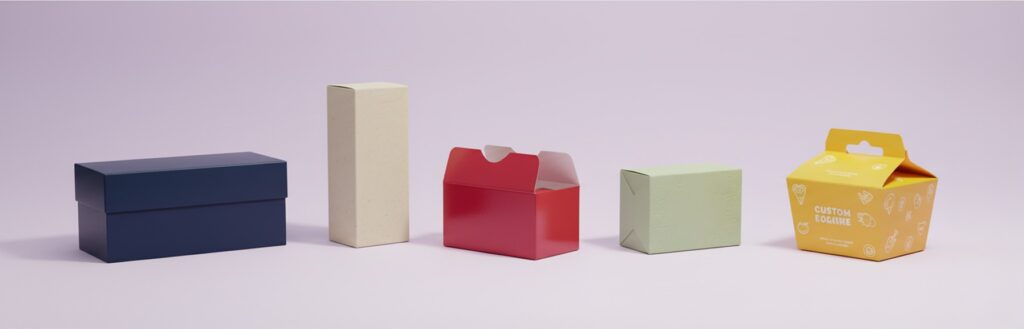
Custom box material is very crucial in packaging success. The right material protects products, improves brand image, and controls costs. A properly selected box also makes sustainability goals and consumers trustworthy. This guide to custom box materials is explained below in very simple English. Each section follows a clear structure with headings and subheadings. Accurateness and up-to-date information are shared in a simplified manner. The content flows in a human tone while maintaining SEO-friendliness. Keywords of low competition and high volume appear naturally; no keyword stuffing is involved.
Why Custom Box Material Selection Matters
Custom box materials support product safety in storage and shipping. Resistance to drops and pressure with a strong material minimizes damage. Fragile items need thick and durable boards, while lightweight items need flexible yet stable materials. Using incorrect materials will result in product loss or cause customers to complain about their order.
1. Brand Image and Customer Trust
Packaging tends to be the very first physical contact with a brand. The quality of the material used in a box results in a good first impression. Premium materials imbue a product with a feeling of value and trust. Poor material choices make even good products appear cheap. Good packaging engenders confidence and repeat purchases.
2. Control of Cost and Budget Planning
Material choice has to do with packaging costs directly. Heavy materials result in high shipping charges. Cheap materials may lead to damage and returns. Intelligent material selection strikes a balance between quality and price. There are long-term savings due to fewer replacements and better protection.
3. Sustainability and Environmental Impact
The materials used for eco-friendly boxes are reducing harm to the natural environment. Most customers prefer brands that use recyclable and biodegradable materials. Sustainable packaging also supports brand responsibility. Choosing green materials can increase market appeal.
Common Materials of Custom Boxes Explained
This makes cardboard one of the most popular materials for custom boxes. The material is light, affordable, and easily customisable. Cardboard boxes would therefore do well for retail, shipping, and storage applications. Printing quality on cardboard is also very good.
Cosmetics, food items, and electronics make quite substantial use of cardboard boxes. Your logo, color, and signs of branding are well supported by this type of material. Cardboard is recyclable, thus making it quite eco-friendly for packing.
1. Corrugated Box Material
Corrugated material is strong and durable. It contains fluted layers between linerboards. The boxes stand heavy products and long-distance shipping. Also, it offers very strong protection against impact and compression.
Single-wall, double-wall, and triple-wall corrugated options are available. Each one is suited for different strength levels. Corrugated packaging is widely utilized in e-commerce and bulk shipping. Recyclability gives the environment added value.
2. Kraft Paper Box Material
Kraft paper mainly contains natural wood pulp. It has a brown and earthy look. This is very popular for eco-friendly and organic brands. Strength and tear resistance are higher than those of regular paper.
Kraft packaging supports simple and clean branding styles. Printing works best with dark inks. Kraft boxes are biodegradable and recyclable. Many food and skin care brands love Kraft box packaging.
3. Material of Rigid Box
Rigid boxes are thick and strong. It is usually used in luxurious packaging. Rigid boxes do not fold easily and maintain their shapes well. Rigid box presentation benefits premium products.
Magnetic closures, ribbon pulls, and foam inserts work well with rigid materials. High-end cosmetics, jewelry, and electronics often use rigid boxes. More expensive, but adds perceived value as well.
4. Paperboard Material
Paperboard is thinner than cardboard but thicker than paper. It is commonly utilized in retail packaging. Folding cartons are made of paperboard. Lighter products go well inside paperboard boxes.
Paperboard permits high-quality printing and finishing. Gloss, matte, and soft-touch coatings go on well. Recyclability makes paperboard a popular choice for sustainable packaging.
Material Thickness and Strength Explained
GSM stands for grams per square meter, the unit of thickness or weight. The greater the GSM, the stronger and thicker the material. The right GSM should be selected based on the product’s weight and the way it will be used.
Lighter products require lower GSM material. Heavy products do require higher GSM for safety. The selection of GSM affects the cost and shipping weight of the products. Balanced choices improve performance and budgetary controls.
1. Flute Types in Corrugated Boxes
Corrugated flutes affect box strength and cushioning. Common flute types include: A, B, C, E, and F. Each flute has a different thickness and compression resistance.
A flute offers great cushioning. B-flute provides stacking strength. E-flute provides a smooth surface to print. Choosing the proper flute will enhance packaging performance.
Box Materials for Different Industries
Food packaging has to be done with safe and hygienic materials. The most commonly used are food-grade cardboard and kraft materials. Grease-resistant and moisture-resistant coatings help protect food items.
Paper-based materials are used in packaging for bakery boxes, takeaway boxes, and dry food packaging. Health-conscious customers are attracted to eco-friendly food packaging materials. The safety standard is always to be followed.
1. Cosmetic and Skincare Packaging Materials
Cosmetic packaging focuses on look and protection; paperboard and rigid boxes are commonly used. Inserts play a big role in keeping bottles and jars upright.
Luxury finishes enhance cosmetic box appeal. Sustainable materials support clean beauty branding. Lightweight yet strong materials reduce shipping risks.
2. Electronics Packaging Materials
Electronics require adequate protection against shocks and static. These are properly provided for by the use of corrugated boxes, which could be fitted with inserts. Inserts made from foam, molded pulp, or even cardboard provide additional safety.
Durable materials prevent damage during transport. Proper cushioning improves customer satisfaction. The recyclable material ultimately contributes less to environmental damage.
3. Apparel and Fashion Packaging Materials
Apparel packaging aims for presentation and convenience. A few of the common usages are cardboard and kraft boxes. Lightweight materials reduce shipping costs.
Branded logo printing enhances brand recognition. Eco-friendly fashion packaging is what attracts a modern-day consumer to it. Reusable boxes add extra value.
Eco-Friendly Custom Box Material Options
Recyclable materials reduce waste sent to landfills. The majority of cardboard, paperboard, and corrugated materials are recyclable. Clear labels from the recycling company help guide customers in properly disposing of their waste.
Such custom recyclable boxes assist in meeting the goals of sustainability. Many brands move to use recyclable packaging for better reputation building. The cost is still not bad when ordered in bulk.
1. Biodegradable Box Materials
Biodegradable materials are those that degrade naturally over time. Examples include kraft paper and plant-based boards. These products minimize environmental harm over the long term.
The biodegradable packaging is very conducive to green marketing strategies. Natural texture also enhances the visual. Waste disposal becomes less cumbersome and safer.
2. Reusable Packaging Materials
Reusable boxes come with extended life cycles. Rigid and strong cardboard boxes are reusable. Stronger designs encourage reuse for storage or gifting.
Reusable packaging reduces the total quantity of packaging material used. Clients often like durable boxes. This concept helps in green branding.
Material Compatibility in Printing and Finishing
Paperboard and cardboard provide great print clarity. Smooth surfaces allow for detailed graphics. Corrugated may require special printing techniques. Kraft material works best with simple designs. Kraft’s brown surfaces contrast well with dark ink. Printing choice shall match the texture of the material.
1. Finishing Options and Material Suitability
The finishing of the boxes adds style and protection to custom boxes. Gloss lamination works excellently on paperboard. Matte finishes render a soft, elegant look.
The processes of embossing and debossing are suitable for rigid boxes and cardboard boxes, while the process of foil stamping enhances luxury packaging. The success of any finishing depends on the material’s strength.
Cost Comparison of Custom Box Materials
Cardboard grades and paperboard happen to be pretty cheap. They work well for startups and small businesses. In bulk, the price becomes even lower. These affordable materials can still provide good protection. Smart design enhances the appearance without high costs. Economical packaging contributes to business growth.
1. Options for Premium Materials
The costs for rigid boxes and specialty boards are higher. These materials provide an added value to the unboxing experience. Most luxury brands use premium materials.
Higher costs mean stronger brand perception. Premium custom packaging raises the value of a product. ROI improves through customer loyalty.
How to Choose the Right Custom Box Material
Material selection starts with product weight and size. Heavy products require strong boards, while lighter products allow for thinner materials. Correct sizing reduces material waste. The tight fit improves protection. Proper analysis prevents unnecessary costs.
1. Terms & Conditions of Shipping and Handling
Materials are those that can bear the distance of shipment, especially when shipment has to be made over a long distance. It involves issues like moisture and temperature changes.
The strong packaging prevents transit damage. Material strength leads to safe delivery. Customer satisfaction requires intact packaging.
2. Storage and Shelf Display Requirements
Retail display needs to have attractive materials. Smooth surfaces allow for good printing and color. Shelf-ready boxes make it easier to see.
Storage conditions affect material durability. Maybe there is a need for humidity resistance. Forward planning helps avoid material failure.
3. Brand Positioning and Market Goals
Material choice is influenced by brand image. Eco brands use kraft and recycled materials. Luxury brands use rigid and premium boards.
Consistency across packaging builds recognition. Materials choice supports brand storytelling. The market’s expectations have to lead the decision.
Common mistakes in custom box material selection
Unduly attractive boxes without strength cause damage. The protection aspect needs to come before looking attractive. A balanced choice ensures safety and beauty.
1. Ignoring Environmental Impact
Non-sustainable material can damage brand image. Customers who are ecologically conscious pay attention to packaging decisions. Green materials engender trust in the longer term.
2. Paying Too Much for Features Not Needed
Premium materials would also not be suitable for all kinds of products. The cost should justify the value of the product. The cost will not go to waste by being well-planned.
Future Trends in Custom Box Materials
New materials will focus on sustainability and performance. There are mushroom-based and plant fiber boards gaining much attention. Innovation supports eco-goals.
1. Lightweight and Strong Packaging Solutions
Modern materials reduce weight without sacrificing strength. Better designs offer improved flute durability. Shipping efficiency is continually improving.
2. Smart Packaging Materials
QR codes and tracking features that integrate into the materials. Smart packaging improves engagement with customers. Value is added without high costs by technology.
Final Thoughts on Selecting Materials for Custom Boxes
Planning a custom box means deciding on the material wisely. Product needs and brand goals need to come together, along with the budget. The accurate selection of materials enhances safety, appearance, and sustainability. Smart packaging decisions ensure long-term success. This is a comprehensive guide that explains everything in an easy-to-understand manner so that one can make confident decisions when it comes to selecting materials.
FAQs
What is the best material for a custom box?
The best material depends on the type of product and its usage. Most products go well with cardboard and corrugated materials. Rigid boxes go well with luxury items, while kraft materials fit eco-friendly brands. Proper selection maintains a delicate balance between protection, cost, and appearance.
Are eco-friendly custom box materials strong enough?
Eco-friendly materials, if selected properly, are strong enough. Corrugated cardboard and kraft paper are able to provide durability for a lot of products. The higher thickness and different flute types enhance strength. Sustainable materials may protect the products effectively.
Which custom box material is best to use for shipping?
Corrugated box material is best for shipping needs. Fluted layers absorb shock and reduce damage. Double-wall options suit heavy items. Proper inserts increase safety during transport.
Do custom box materials affect printing quality?
The material used is a factor affecting the result of prints. Sharp prints are achieved when using paperboard and cardboard materials. Kraft materials allow simple designs to be printed on them. Smooth surfaces ensure clarity in color and quality finishing.
How to reduce packaging costs with the right material?
Cost decreases with the appropriate match of material strength to product weight. Avoid excessive use of thick materials. Correct sizing reduces waste. Bulked orders and recyclable materials also reduce costs.
Are rigid boxes recyclable?
Rigid boxes are recyclable when made from paper-based boards. Some finishes may need separation. Reusable rigid boxes reduce waste; therefore, proper disposal improves their sustainability.
What material is best for food packaging boxes?
Common choices include food-grade cardboard and kraft paper. These materials are nontoxic and hygienic. Grease-resistant coatings protect food quality. Compliance with safety standards is important.
How to Choose the Right Thickness for Custom Boxes?
Thickness would depend on the weight of the product and its handling. Selection would be guided by GSM and flute type. Thicker boards are needed for heavy products, while lightweight items need less thickness.