
Step-by-Step Guide: How to Create Custom Packaging That Stands Out
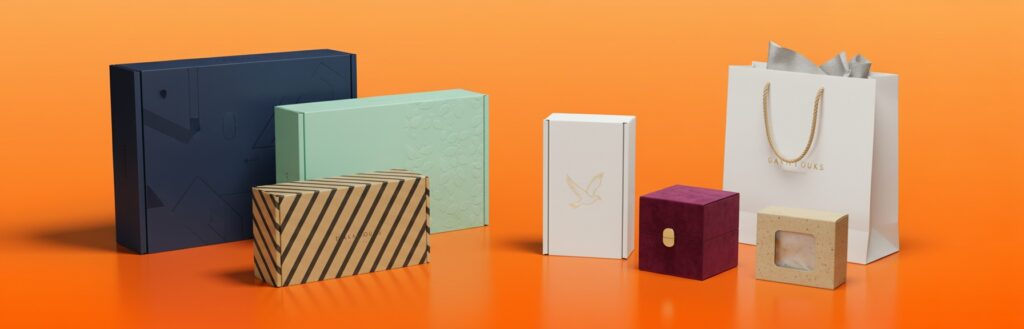
Custom packaging can draw attention to a product and engender trust. It is a way to show how much care and attention have been put into the simple box, thereby developing an experience. If the design is appropriate, packaging can make a brand seem more professional and memorable. In today’s market, unique packaging is one of the strongest ways to stand out among numerous options.
It protects the product but, at the same time, shows its value. Smart packaging design improves sales and customer satisfaction and reinforces the brand identity.
Step 1: Understand the brand and the target audience.
Designing packaging requires truly understanding a brand and its audience. Every brand has a story that needs to be clearly told with packaging.
Consider what kind of customers are going to purchase your product. For instance, eco-friendly buyers love seeing sustainable materials, while the buyers of luxury items enjoy seeing an elegant box. The style of packaging needs to reinforce your brand’s tone: fun, minimal, classy, bold.
Knowing what the audience loves aids in creating packaging that resonates emotionally; it assures repeatability and can create long-term loyalty.
Step 2: Choosing the Right Kind of Packaging
Different products call for different box or bag types. The choice of packaging will keep the product safe and make it look appealing.
Here are some common options:
Mailer boxes happen to be extremely strong and are thus the best options for online deliveries.
Rigid Boxes: Rigid boxes are suited for luxury or gift items and give them an aristocratic look with premium protection.
Folding Cartons are ideal for lightweight commodities like cosmetics or foodstuffs. It is easy to print and cost-effective.
Paper bags are environmentally friendly, fashionable, and used in either fashion or retail stores.
The type of package to be chosen totally depends on the size, weight, and also the way it will be delivered.
Step 3: Select the Right Material
Selection of materials is the key to packaging design. Strong and eco-friendly materials give a good impression. Commonly used materials include:
Kraft Paper: Due to the natural look and recyclable quality that it carries.
Corrugated cardboard is highly suitable when shipping fragile items, providing very good protection.
Rigid Board: This finds its application in high-value packaging; it could be thick and strong to support highly valuable products.
Recycled Paper: The perfect solution for all brands showing concern for sustainability.
High-quality material protects not only the product itself but also expresses the values of the brand.
Step 4: Visual Design
The first thing that attracts the eye is the visual design; good design piques a person’s interest in what is inside.
It should have the right colors, logos, patterns, and typography. All the elements should match the identity of the brand. For example, bright colors represent energy, while soft tones represent calmness.
Employ simple, easily readable fonts. Avoid clutter. Often, minimal designs look modern and cleaner. It will help the customer remember clear logo placement.
Step 5: Add Functional Features
A package should look great, but ultimately, it has to work well, too. Adding functionality to the design enhances the user experience.
Examples include:
Easy-open tabs for smooth unboxing.
Handles or carrying ribbons for convenience.
Insert trays for holding items in a safe position.
Practical features make the packaging useful and easily remembered; a customer will often notice that a package is easy to handle and store.
Step 6: Use Environmentally-Friendly Alternatives
Eco-materials reduce trash and show responsibility, depicting modern consumers as loving to take care of the planet.
Recyclable and biodegradable packaging can do much. It will speak volumes to customers that the brand believes in a greener future.
Other simple ways to make packaging sustainable include:
Use recycled paper or cardboard.
Avoiding plastic.
Printing using soy-based or water-based inks.
This is not only good for the environment but also builds trust in eco-friendly packaging with your brand.
Step 7: Brand Story Highlight
With every product, there’s a story. Sharing that story through the packaging will create an emotional bond.
Adding a small message or slogan to the brand helps someone identify what makes it special. Even a short tagline like “Made with care” or “Crafted for joy” adds a personal touch to it.
Packaging can also be fitted with QR codes leading customers to brand videos or social media pages, turning what would have otherwise been a simple box into an interactive experience.
Step 8: Ensure Product Safety
No matter how beautiful a design may look, protection still remains the top concern. Strong packaging protects the product during shipment and handling.
Additional protection may be provided by bubble inserts, foam layers, or corrugated walls. Products that are fragile in nature, like glass items, candles, and cosmetics, require special treatment.
A defective product harms customer trust. Testing of packaging, consequently, before mass production makes sense in this respect.
Step 9: Testing and Getting Feedback
The design needs to be tested before finalizing it. A few sample boxes will give any potential problems.
Improvement guidance may come from the information provided by real customers or focus groups. Packaging improves through honest opinions on colors, fonts, or material quality.
Smaller design changes can sometimes make for a big difference. Testing makes sure that packaging performs well, both in appearance and functionality.
Step 10: Quality Printing and Finishing
High-quality printing makes packaging look professional. Printing techniques, such as embossing, debossing, foil stamping, or UV coating, can make the design shine.
Finishing options count too: the finishes, whether matte or glossy, change everything in how the packaging feels and looks. For luxury products, a soft-touch or metallic finish will create a premium look.
Always eco-friendly inks and precise printing. Finishing makes the packaging look beautiful on the shelves and in e-stores.
Step 11: Create an Unboxing Experience to Remember
Unboxing today has become part of the fun when it comes to modern shopping. A beautiful unboxing experience will encourage people to share it online.
Adding in tissue paper, thank-you notes, or branded stickers shows customers you appreciate them. It’s those little touches that make customers happier and more loyal.
When customers enjoy opening a package, they remember the brand for longer.
The products should have consistency in their packaging.
Consistency creates recognition. Similar design elements for a line of products establish an identity.
The colors, fonts, and placement of the logo should be consistent. A uniform look makes the brand easily recognizable anywhere.
Consistent packaging also builds trust in that it shows professionalism and attention to detail.
Conclusion: Building a Brand with Smart Packaging
Rather than just a box, customized packaging can bring to life the story of the brand, draw attention, and earn consumer trust.
Everything matters, from the art of material selection to finishing touches. Great packaging design makes a brand different and creates devoted fans.
That could be any product, so long as it had a spot of creativity, sustainability, and functionality.
FAQ Section
Q1: What’s special about Custom Packaging?
This is a memorable packaging with its unique design, clear branding, and eco-friendly materials.
Q2: Why is sustainable packaging important?
It reduces waste, is friendly to the environment, and appeals to those consumers who are sensitive to their ecological footprint.
Q3: How can packaging enhance customer experiences?
Opening easy boxes, beautiful design, and small thank-you notes make unboxing enjoyable.
Q4: Which printing methods enhance packaging appeal?
Embossing, foil stamping, and UV coating make designs look premium and attractive.
Q5: How does high-quality packaging influence brand perception?
Premium packaging immediately builds a sense of trust. Strong materials, clean printing, and a professional layout signal that the product inside is equally high-quality. This perception helps brands stand out in crowded markets.
________________________________________
Q6: Can custom packaging increase repeat purchases? If yes, how?
Yes. When customers receive products in well-designed and easy-to-open packaging, they associate the brand with a positive experience. This emotional connection makes them more likely to return, recommend the product, and share it on social media.
________________________________________
Q7: What role does color psychology play in packaging design?
Colors create an instant emotional response. Warm tones boost excitement, cool tones create calmness, and earthy colors signal eco-friendliness. Choosing the right color palette helps communicate brand values and attract the intended audience.
________________________________________
Q8: How does packaging contribute to product protection during shipping?
Durable materials, proper inserts, and secure closures keep products safe from damage. When the packaging is engineered well, it reduces returns, refunds, and customer dissatisfaction, especially for fragile or premium items.
________________________________________
Q9: Does customizing packaging improve marketing efforts?
Absolutely. Custom printing allows brands to add QR codes, social media handles, product instructions, and promotional messages. Every box becomes a marketing asset that continues promoting the brand even after delivery.
________________________________________
Q10: Which elements make packaging feel more luxurious?
A combination of thick cardstock, metallic foil details, matte or soft-touch finishes, and magnetic closures instantly elevates the unboxing experience. These features give products a high-end, premium feel.
________________________________________
Q11: How does minimalistic packaging benefit modern brands?
Minimal designs create a clean, modern look that appeals to consumers who value simplicity. It reduces clutter, emphasizes the brand message, and often uses fewer materials, making it both stylish and eco-conscious.