
Packaging Design Power Tips for High-Impact Branding
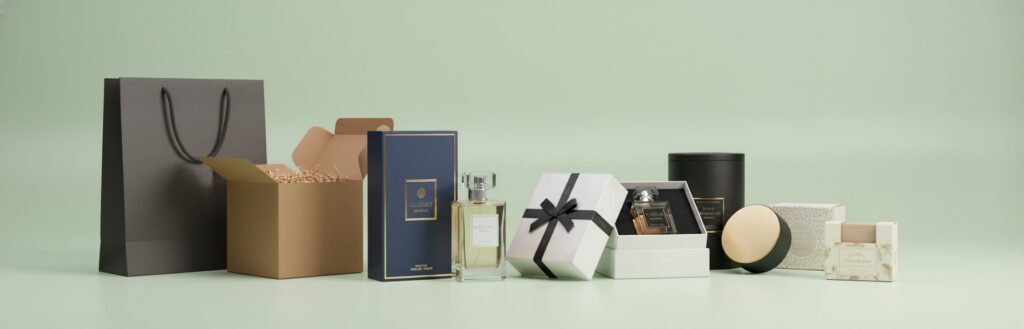
Packaging design is more than just wrapping a product. It is a key tool to attract customers. Good packaging grabs attention, communicates the brand message, and builds trust. High-impact branding starts with smart packaging choices that make products memorable. Packaging acts as a silent salesperson. It tells a story without words. A product with appealing packaging can increase sales and loyalty.
Know the Brand Identity
1 Define Brand Colors and Fonts
Brand identity is the heart of custom packaging. Use brand colors consistently. Colors influence customer emotions.
• Blue suggests trust
• Red excites
• Green shows nature or eco-friendliness
Fonts must be easy to read. Avoid complicated styles. Simple and clear fonts strengthen the brand image.
2 Highlight Brand Values
Every product tells a story. Packaging should reflect brand values like quality, sustainability, or luxury. Labels, tags, and materials show these values. For example, using recycled cardboard sends a message of care for the environment.
Understand the Target Audience
1 Research Customer Preferences
Packaging must appeal to the target audience. Age, lifestyle, and interests guide design rules choices.
• Children’s products need bright colors and playful designs.
• Luxury buyers prefer minimalistic and elegant packaging.
2 Focus on Customer Experience
Customer experience starts with opening the package. Easy-to-open designs and protective packaging create satisfaction. Functional packaging reduces product damage and increases positive reviews.
Choose the Right Packaging Materials
1 Sustainable Materials
Eco-friendly materials are gaining importance. Biodegradable, recyclable, and reusable materials protect the planet. Kraft paper, cardboard, and plant-based plastics are strong choices. Brands benefit from positive public perception by using sustainable packaging.
2 Durable and Protective Materials
Packaging must protect products during shipping. Corrugated boxes, foam inserts, and molded pulp protect fragile items. Strong materials reduce returns and improve customer satisfaction.
Design Elements That Boost Branding
1 Eye-Catching Colors and Patterns
Colors attract attention on shelves or online stores. Bold colors and unique patterns make products stand out. Patterns must match the brand identity. Packaging design with simple and attractive visuals communicates professionalism.
2 Logo Placement and Visibility
Logo placement is important for brand recognition. Place the logo where it is clearly visible. Front and center placement works best. Consistent use of logo across all packaging builds trust and memory.
3 Typography for Readability
Typography is crucial for product communication. Fonts should be clear, readable, and consistent with the brand personality. Avoid small or decorative fonts that confuse the message. Labels and product names should be easily seen from a distance.
Functional Design Matters
1 Easy-to-Use Packaging
Packaging must be simple to open, carry, and store. Features like handles, resealable zippers, or flip tops improve usability. Functional packaging increases customer satisfaction and encourages repeat purchases.
2 Space Optimization
Efficient packaging reduces storage costs and shipping expenses. Slim, compact, and stackable designs save space. Minimal packaging is also eco-friendly and cost-effective.
Adding Visual Appeal
1 Illustrations and Graphics
Illustrations give personality to packaging. Graphics communicate product benefits and usage. High-quality images increase credibility and make products more attractive.
2 Use of Finishing Techniques
Finishing techniques make packaging premium. Options include UV coating, embossing, foil stamping, and matte finishes. These small touches create a luxurious feel and elevate brand perception.
Consistency Across Product Lines
1 Maintain a Cohesive Look
Consistency strengthens brand recognition. Similar colors, fonts, and layouts across product lines create a unified brand image. Customers quickly identify products from the same brand.
2 Seasonal or Limited Edition Packaging
Special editions can increase sales. Limited edition packaging creates excitement and encourages immediate purchases. Seasonal designs attract attention and increase brand engagement.
Packaging That Tells a Story
1 Communicate the Brand Message
Packaging is more than just a box or wrapper. It acts as a storyteller for the brand. Every color, image, and material conveys a message. Words on the packaging also speak directly to the customer. Labels such as “eco-friendly,” “handmade,” “premium quality,” or “organic” show the brand’s values clearly. Customers connect emotionally when the packaging tells a story. Packaging that shares a clear message builds trust, loyalty, and brand recognition.
2 Example:
A cosmetic brand using recycled paper with a simple natural design shows care for the environment. A product labeled “handmade” or “artisanal” communicates uniqueness and quality. Storytelling packaging creates a bond between the product and the customer before it is even opened.
Highlight Product Benefits
Customers want to know why a product is better than others. Packaging must explain this in a clear and simple way. Include product benefits prominently on the box or label. Words like “long-lasting,” “organic,” “safe for kids,” “waterproof,” or “gluten-free” give important information quickly.
Clear communication reduces confusion and helps customers make faster buying decisions. Example:
A shampoo with “sulfate-free” printed clearly on the front tells the customer it is safe for sensitive hair. Benefits-focused packaging also improves customer satisfaction.
Packaging for Online Sales
1 Visual Appeal in Photos
Online shopping depends heavily on visual presentation. Customers cannot touch or feel the product before buying. Packaging must look attractive in photos. Bright, high-quality images help products stand out in online stores or marketplaces. Lifestyle photos showing the product in real-life use add authenticity. Clean, simple, and visually appealing packaging increases the chance of clicks and purchases.
2 Protecting Products During Shipping
Online products travel long distances. Packaging must keep products safe during shipping. Durable materials such as corrugated boxes, foam inserts, bubble wrap, and eco-friendly fillers protect fragile items from damage. Secure packaging reduces returns and increases customer trust.
Leveraging QR Codes and Technology
1 QR Codes for Engagement
QR codes connect physical packaging with digital content. A simple scan can direct customers to product tutorials, reviews, special offers, or loyalty programs. Interactive packaging makes the buying experience more engaging.
Example:
A tea brand could include a QR code that leads to brewing instructions or a video story of the tea garden.
2 Smart Packaging Solutions
Smart packaging combines technology with convenience. Features such as temperature indicators, freshness seals, or tamper-evident labels increase customer confidence.
Example:
A food product with a freshness indicator ensures safety and quality. A tamper-evident seal communicates trust and care. Smart packaging can also include augmented reality (AR) elements, enhancing engagement and social sharing.
Cost-Effective Packaging Strategies
1 Optimize Packaging Costs
Packaging must balance quality and cost. Use lightweight but durable materials. Avoid unnecessary layers or excess fillers. Efficient design reduces production and shipping expenses.
2 Bulk Orders and Supplier Deals
Buying packaging materials in bulk reduces costs. Collaborating with reliable suppliers ensures consistent quality and savings. Cost-effective packaging strategies improve profit margins without compromising brand image.
Future Trends in Packaging Design
1 Eco-Friendly and Sustainable Packaging
Sustainability is a growing trend. Customers prefer brands that care for the environment. Using recycled materials and reducing waste creates a positive brand reputation.
2 Minimalistic and Clean Designs
Minimalistic packaging communicates luxury and quality. Simple designs with clear messages attract modern customers. Clean packaging is easy to recognize and stands out on crowded shelves.
3 Personalization and Customization
Customized packaging enhances customer experience. Personal names, messages, or limited edition designs increase emotional connection. Personalized packaging builds strong brand loyalty.
Common Mistakes to Avoid
• Overcomplicated Designs: Too many colors, patterns, or fonts confuse customers. Simple and clear designs work best.
• Ignoring Functionality: Packaging must protect products and be easy to use. Ignoring functionality leads to complaints and product returns.
• Failing to Maintain Brand Consistency: Changing colors, fonts, or layouts across product lines creates confusion. Consistency is key.
Conclusion: Powerful Packaging Drives Success
Packaging is a powerful tool for branding elements. Well-designed packaging attracts customers, communicates brand values, and increases loyalty. Functional, visually appealing, and sustainable packaging makes products stand out. Consistency and clear messaging strengthen brand identity. Following these power tips ensures high-impact branding, satisfied customers, and business growth.
FAQ Section
Q1: Why is packaging important for branding?
A: Packaging communicates the brand message, attracts customers, and builds trust.
Q2: How can packaging increase sales?
A: Eye-catching design, clear information, and functional packaging encourage purchases.
Q3: What materials are best for eco-friendly packaging?
A: Recycled cardboard, kraft paper, and biodegradable plastics are eco-friendly and durable.
Q4: How does packaging affect online sales?
A: Packaging must be visually appealing in photos and protect products during shipping.
Q5: Can packaging help with customer loyalty?
A: Yes. Attractive, functional, and personalized packaging encourages repeat purchases and trust.
Q6: How do colors on packaging influence customer buying decisions?
A: Colors evoke emotions and perceptions. Bright colors attract attention, while soft or neutral tones convey trust, luxury, or eco-friendliness. Choosing the right color palette can increase purchases.
Q7: What role does typography play in effective packaging design?
A: Clear and readable fonts improve customer understanding of product information. Bold fonts highlight key details, while elegant fonts can reflect brand style and quality.
Q8: How important is packaging functionality in customer satisfaction?
A: Functional packaging, such as resealable bags, easy-open boxes, or handles, enhances user experience, reduces product damage, and encourages repeat purchases.
Q9: Can packaging design affect a customer’s perception of product quality?
A: Yes. Premium finishes, sturdy materials, and cohesive design make a product appear higher quality, increasing trust and willingness to pay.
Q10: How does eco-friendly packaging benefit a brand?
A: Eco-friendly packaging appeals to environmentally-conscious customers, improves brand reputation, reduces waste, and can differentiate a brand from competitors.
Q11: How can packaging improve the unboxing experience?
A: Layered designs, inserts, and personalized messages create excitement, making customers more likely to share their experience on social media and return for future purchases.
Q12: What printing techniques enhance packaging design?
A: Digital printing, offset printing, foil stamping, UV coating, and embossing improve visual appeal, add premium touches, and maintain clarity of logos and text.
Q13: Can packaging help tell a brand story?
A: Yes. Labels, materials, graphics, and text can communicate values like sustainability, luxury, or handmade quality, creating an emotional connection with the customer.
Q14: How does packaging consistency across product lines benefit a brand?
A: Consistent use of colors, fonts, and layouts reinforces brand identity, improves recognition, and builds customer trust across all products.
Q15: How can technology be integrated into packaging?
A: QR codes, NFC tags, AR features, and smart indicators connect customers to digital content, tutorials, or loyalty programs, increasing engagement and brand interaction.