
Kraft Boxes vs Cardboard Boxes: What’s Better for Branding and Shipping?
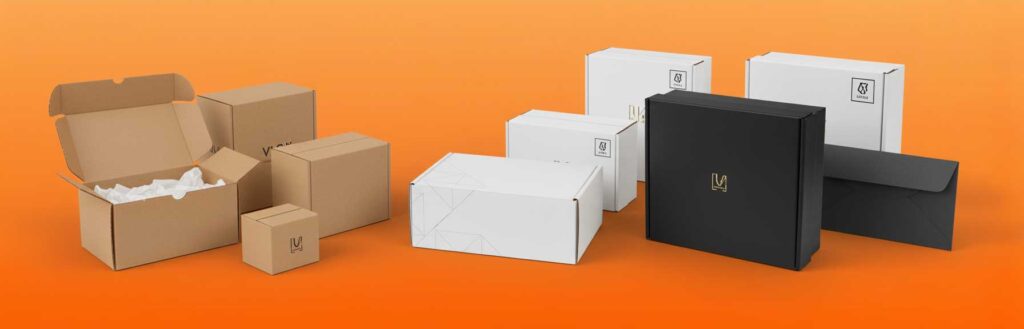
The selection of proper packaging is important for several reasons. The packaging plays a very important part in a product’s appearance and the life cycle of any product. An appropriate box keeps the product safe, builds trust, and helps build a strong brand image. Usually, Kraft boxes and cardboard boxes are used for packaging.
Both have strong points: one is commended for being friendly to the environment, and the other is used by many because of its versatile nature. Which one, then, out of these two, is going to be better with respect to branding and shipping? Let us look at Kraft Boxes vs. Cardboard Boxes features and uses, and how each can impact business success.
Kraft Box Understanding
These Kraft boxes are made from natural wood pulp, mainly from pine. The brown color, strength, and eco-friendly mark it distinctly. Since kraft paper is recyclable and biodegradable, most of the brands that believe in sustainability go for it.
Printing, stamping, or labeling is performed on the surface of kraft paper. The packing firms use it, too, for it gives a natural, rustic look while keeping it firm enough for shipment.
Key Features of Kraft Boxes
Ecological Material
Kraft packaging is fully recyclable, made from renewable materials that biodegrade naturally, hence perfect for brands promoting green lifestyles.
Strong and Durable
Kraft structure is strong enough to bear heavyweight products, protects them from damage during transit, and helps in keeping them safe from moisture and pressure.
Nature-like Appearance
The brown color of the kraft boxes is organic and earthy, which is great, really, for those customers who love simple, natural designs.
Branding – Customizable
Kraft boxes carry logos, brand names, or sometimes even product details printed on them. Printing in white or black on the rustic surface makes them classy.
Common Uses of Kraft Boxes
Kraft packaging is mainly made for food, skin care, and other environmentally friendly products. The packages include candles, soaps, handmade products, and bakery items in kraft boxes. Almost all big and small-scale brands like these due to the fact that the strong material keeps the freshness intact and protects the delicate products.
Kraft boxes are good to go for lightweight to medium-weight shipments. The solid texture keeps it safe but still in an eco-friendly package.
Understanding Cardboard Boxes
These cardboard boxes are made of thick paper stock or corrugated fiberboard. Their wide applicability in packaging is due to the versatility and printing flexibility of these boxes. Such boxes come in different shapes, sizes, and finishes, and hence are suitable for almost all kinds of products.
Cardboard packaging offers a smooth surface on which all the details can be printed in bright colors and with either a glossy or matte coating. Cardboard packaging is excellent for retail display and showcasing of a brand.
Key Features of Cardboard Boxes
Diverse Design Possibilities
Cardboard is easily cut, folded, and shaped. It works with cosmetics, electronics, toys, and all kinds of consumer goods.
Excellent Printing Quality
The product will feature a smooth surface to support full-color printing and high-definition images for creative artwork. This makes your products look great on the shelves and in photos online.
Good Protection During Shipping
Corrugated cardboard, because of the layers involved in its making, will have a cushioning effect, hence protecting fragile or heavy items during shipment.
Lightweight yet Affordable
Cardboard is at once lightweight yet strong, meaning lighter shipment costs combined with protection and branding benefits in one with regard to shipment.
Common Uses of Cardboard Boxes
These cardboard boxes can be used for retail custom packaging, subscription boxes, electronics, or even in gift packaging. Many brands like using cardboard because of the fact that it’s flexible in design and has a really professional look. It helps the products get a polished look and appear ready to go on store display.
Kraft Boxes vs. Cardboard Boxes: A Detailed Comparison
Both types of packaging have their merits. Much depends on the type of product, brand image, and shipping needs. Let us analyze these in some detail.
1. Material Strength and Durability
Because of that, Kraft boxes have intrinsic strength, are tear-resistant, and bear up well under pressure, making them quite suitable for carrying medium-weight products.
The cardboard boxes can provide even more layers for extra cushioning; in particular, the corrugated ones will render them perfect to carry heavy or fragile items over long distances.
Verdict: Cardboard is more preferable when the shipment is heavier. In the case of a moderately packed shipment, Kraft does the job with adequate strength, and there is a touch of sustainability.
2. Eco-friendliness
Kraft Packaging: This form of packaging is 100% biodegradable and made of natural, unbleached fibers. It leads the way as far as sustainability goes.
Boxed cardboard can be recycled, too; however, a few of its types are coated or have inks applied to them to make the process of recycling much harder.
Verdict: The Kraft packaging is ideal for eco-conscious brands.
3. Printing and Branding
Cardboard packaging can allow for bright printing and complex designs. It could include full-color graphics and even shiny finishes.
Kraft packaging is all about the natural and simple look, and usually one or two colors of printing result in a clean, organic appearance.
Verdict: Cardboard is perfect for colorful branding, while Kraft just looks way more authentic for minimal and natural branding.
4. Cost and Production
Both materials are pretty inexpensive, but manufacturing kraft boxes is somewhat cheaper because they use fewer coatings and dyes. Packaging with cardboard boxes may be more expensive once high-value finishes such as embossing or lamination are added to them.
Verdict: Kraft packaging is cheaper and good for basic uses; cardboard suits premium printing needs.
5. Customization Options
Customization options can be considered for kraft and cardboard: kraft boxes can be custom-shaped and printed with eco-friendly inks, while coating, window cuts, and embossing can be placed onto cardboard boxes.
Cardboard indeed does have more flexibility when it comes to luxury packaging.
Verdict: Cardboard provides better options for design and high-end appearance.
6. Look and Touch
Kraft packaging provides an earthy and organic feel for natural or handcrafted products.
Cardboard packaging looks modern and works great with retail and premium goods.
Verdict: While Kraft gives a rustic charm, cardboard gives a refined finish.
Which One Is Better for Branding?
The materials in question can be used differently in order to establish identity through branding. Kraft packaging is all about the spirit of sustainability, honesty, and caring for nature. It attracts customers who place great value on eco-friendly brands.
Colored, imaged, and luxuriously finished cardboard packaging differentiates brands well. It’s ideal for products whose first line of defense is visual appeal.
Which to use between them depends on the story of your brand: Kraft if the goal is to encourage eco-consciousness, or cardboard if the goal is to show creativity and color.
Which One Is Better for Shipping?
Shipping needs strength as well as protection. Boxes made of corrugated cardboard have proved to be stronger, hence safer for the delivery of goods over long distances. They can handle heavy products and rough handling while in transport, too.
Kraft boxes will do for lighter items or even deliveries that are local. They’re good, but just not as strong as the thick corrugated cardboard.
Why Do Many Brands Combine Both Materials?
Some brands use both kraft and cardboard for different purposes: kraft packaging works for smaller products and retail presentation, while cardboard is used for bulk or shipping boxes. Such a mix helps balance eco-friendliness, strength, and visual impact.
For instance, a skin care business using kraft boxes at an individual product level can use cardboard mailers to send them to customers. Such a move keeps the balance between sustainability and protection.
Tips to Choose the Right Packaging for a Business
Understand the Product Needs
While lighter ones can use kraft boxes, heavier or fragile products have to be packed into sturdy cardboard.
Focus on Branding Goals
Choose Kraft for an earthy, natural feel or cardboard for a vibrant, modern look.
Consider Printing Needs
If one wants detailed printing, then cardboard is the better option.
Think About Customer Perception
The eco-conscious consumer likes Kraft, but the buyers of luxury may prefer glossy cardboard.
Check Budget and Quantity
Kraft is often much cheaper, especially for smaller or eco-brands.
Sustainable and Stylish: The Future of Packaging
The world of packaging is moving fast. More brands today are looking toward materials that will protect not just their products but the planet, too. Both Kraft and cardboard evolve with new printing methods and recycled materials.
The new normal is sustainable inks, biodegradable coatings, and lightweight structures.
In the future packaging trend, Kraft’s simplicity will be merged with cardboard’s design flexibility.
Conclusion: Make It a Smart Choice
Both Kraft boxes and cardboard boxes carry their own charm and benefits. Kraft packaging shows care for nature. It offers a clean and organic look. Cardboard packaging can offer design freedom, bright visuals, and strong protection.
It all depends on what matters most: eco-friendliness, design, or durability. Kraft is unbeatable for natural branding and simple style, but when it comes to strong visuals and safety over long distances, cardboard is the best solution.
Besides packaging a product via the right choice of a box, with every delivery, a story is shared, values are maintained, and a promise is made by a brand.
FAQs
Q 1: Are Kraft boxes stronger than cardboard boxes?
Kraft boxes are strong but not as tough as corrugated cardboard boxes, which have extra layers for protection.
Q 2: Can Kraft boxes be printed in full color?
Yes, but it may not look that great with vibrant colors on a natural brown surface. Simple designs work best.
Q 3: Can Kraft and cardboard boxes be recycled?
Yes, it is recyclable; however, kraft is more eco-friendly since it involves the use of fewer chemicals.
Q 4: Which one will be better for luxury packaging?
Cardboard is much better for luxury packaging because it has a smooth surface and print flexibility.
Q 5: What kind of box is perfect for a small business?
Kraft boxes are especially great for smaller brands that want affordable but also sustainable packaging.