
How to Use Custom Packaging as a Silent Salesperson
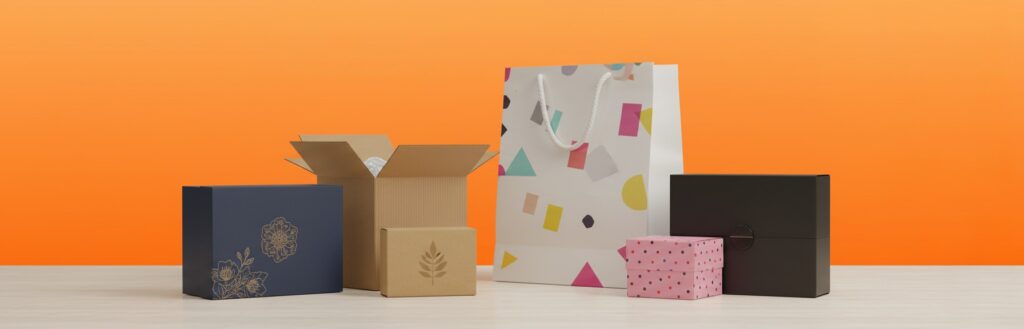
Custom packaging can act as a silent salesperson. It speaks for the brand without words. Attractive, well-designed packaging makes customers notice products quickly. This article explains how to use custom packaging to boost sales, improve brand image, and create memorable experiences.
What Is Custom Packaging?
Custom packaging means designing boxes, bags, or containers specially for a product. It is not plain or generic. It includes brand colors, logos, designs, and special finishes. Custom packaging shows professionalism and makes a product unique.
Benefits of Custom Packaging:
• Makes the product look premium
• Protects the product during shipping
• Increases brand recognition
• Encourages repeat purchases
Custom Packaging as a Silent Salesperson
A silent salesperson works without speaking. Custom packaging does the same. A customer sees the product first through its packaging. Good packaging explains the product, its quality, and brand identity.
First Impressions Matter
Customers often decide to buy within seconds. Eye-catching packaging attracts attention quickly. Bright colors, clear logos, and unique shapes make the product stand out on shelves or online.
Tips for Attractive Packaging:
• Use bold and consistent colors
• Include a clear, readable logo
• Use interesting shapes or window cut-outs
• Add minimal text that explains the product
Packaging Reflects Brand Identity
Custom packaging shows the brand’s personality. Luxury brands use elegant finishes, while eco-friendly brands use recycled materials. Packaging communicates the brand story silently.
Examples of Brand Identity Through Packaging:
• Kraft boxes for natural or eco-friendly products
• Glossy rigid boxes for luxury items
• Minimalistic boxes for modern and tech products
Educating Customers Through Packaging
Packaging can explain product use and benefits without a salesperson. Printed instructions, icons, or small tips guide the customer. Clear, simple text helps customers understand the product easily.
Ways Packaging Educates Customers:
• Step-by-step illustrations for usage
• Symbols for eco-friendly or recyclable materials
• Ingredients list for food or cosmetic products
How Packaging Boosts Customer Trust
Customers trust products that look professional. Quality packaging shows attention to detail. Protective materials prevent damage during shipping, increasing trust in the brand.
Key Points for Trust-Building Packaging:
• Sturdy materials prevent breakage
• Tamper-proof seals ensure safety
• Clean and neat design shows professionalism
Custom Packaging and Emotional Connection
Packaging can create emotional connections. Colors, textures, and unboxing experiences influence feelings. Customers feel happy when packaging is beautiful and easy to open. This can encourage repeat purchases and brand loyalty.
Ways to Build Emotional Connection:
• Use soft-touch finishes or velvet inserts
• Include thank-you notes or small surprises
• Use packaging that feels premium or special
Packaging as Marketing Tool
Custom packaging works as a marketing tool even after purchase. Social media users share photos of products with attractive packaging. This generates free publicity and attracts new customers.
Marketing Benefits of Custom Packaging:
• Encourages unboxing videos on social media
• Increases brand visibility
• Attracts attention in online marketplaces
Packaging Design Tips
Good design improves sales silently. Design should be simple but memorable. Overcrowded designs confuse customers, while clear designs communicate value quickly.
Design Elements to Focus On:
• Logo placement in a visible area
• Color combinations that match brand identity
• Typography that is easy to read
• High-quality images or graphics
Material Selection Matters
Material quality influences perception. Strong, eco-friendly, or unique materials increase perceived value. Paperboard, kraft, and corrugated cardboard are common for products.
Tips for Material Selection:
• Choose recyclable or biodegradable materials for eco-conscious customers
• Use durable materials for fragile items
• Consider tactile materials for luxury feel
Finishing Options That Impress
Finishing adds a premium touch. Foil stamping, embossing, matte or gloss coatings, and soft-touch lamination enhance appeal. Finishing makes packaging look expensive and special.
Popular Finishing Techniques:
• Foil stamping for luxury logos
• Embossing for raised patterns
• Matte coating for modern feel
• UV coating for shine and protection
Custom Packaging for Online Sales
Online sales depend on packaging more than in-store purchases. Customers cannot touch or see products physically. Packaging creates excitement and trust in e-commerce.
Tips for Online Packaging:
• Use branded mailer boxes for a professional look
• Add protective inserts for fragile items
• Include personal messages to enhance unboxing experience
• Make packaging easy to open and recycle
Unboxing Experience
The unboxing experience turns customers into brand advocates. Memorable unboxing encourages social media sharing. It makes the product feel like a gift, increasing satisfaction.
How to Enhance Unboxing:
• Use tissue paper, ribbons, or stickers inside the box
• Include surprise samples or small gifts
• Keep the arrangement neat and visually appealing
Cost-Effective Custom Packaging
Custom packaging does not need to be expensive. Small businesses can use simple boxes with printed labels. Even low-cost packaging can look premium with proper design and finishing.
Cost-Saving Tips:
• Use single-color printing instead of full-color prints
• Choose recyclable materials for lower cost
• Buy in bulk for discounts
Measuring the Impact of Packaging
Tracking packaging effectiveness helps in improving sales. Observe repeat purchases, social media shares, and customer reviews. Customer feedback gives ideas for improvement.
Ways to Measure Impact:
• Customer reviews mentioning packaging
• Increase in repeat orders after packaging change
• Social media posts of unboxing experiences
Conclusion
Custom packaging acts as a silent salesperson. It communicates brand identity, educates customers, builds trust, and enhances sales. Proper design, material selection, finishing, and unboxing experience make packaging powerful. Packaging does not just protect a product; it sells the product silently. Brands using custom packaging effectively increase customer loyalty, social media visibility, and overall sales. Investing in thoughtful packaging is an investment in brand success.
FAQ – Custom Packaging as a Silent Salesperson
Q 1: What is custom packaging?
Custom packaging is specially designed boxes, bags, or containers for a product. It shows brand identity and protects the product.
Q 2: How does packaging act as a silent salesperson?
Packaging attracts attention, explains the product, and creates a brand impression without speaking.
Q 3: Why is first impression important in packaging?
Customers decide quickly. Attractive packaging can make the product noticed and increase the chance of purchase.
Q 4: Can packaging build customer trust?
Yes. Strong, neat, and tamper-proof packaging shows professionalism and safety, which builds trust.
Q 5: How does packaging create an emotional connection?
Colors, textures, and unboxing surprises make customers feel happy and valued, encouraging loyalty.
Q 6: What materials are best for custom packaging?
Durable and eco-friendly materials work best. Examples include kraft boxes, corrugated cardboard, and paperboard.
Q 7: How can packaging improve online sales?
Branded and protective packaging creates trust, makes unboxing exciting, and encourages social media sharing.
Q 8: What finishing options enhance packaging appeal?
Foil stamping, embossing, matte/gloss coating, and soft-touch lamination add premium feel.
Q 9: Is custom packaging expensive?
Not always. Simple boxes with printed labels or bulk orders can be affordable while still looking professional.
Q 10: How to measure the impact of packaging?
Check customer reviews, repeat orders, and social media shares. Packaging that impresses customers increases brand success.
Q11: How can packaging reflect brand values?
Packaging is often the first interaction a customer has with a brand. By using specific materials, colors, and design elements, a brand can communicate its values silently. For example, a brand focused on sustainability may use recycled or biodegradable packaging, while a luxury brand might choose velvet finishes or gold foiling. The packaging itself tells customers what the brand stands for without needing a salesperson to explain it.
Q12: Can custom packaging educate customers?
Yes. Packaging can provide important information such as usage instructions, ingredients, or special features. For instance, a skincare product may have icons showing step-by-step application, or eco-friendly symbols indicating recyclability. This reduces the need for a salesperson and ensures customers understand the product immediately, enhancing their confidence in the purchase.
Q13: How does packaging influence repeat purchases?
Customers are more likely to buy again if the packaging leaves a memorable impression. Premium feel, attractive design, and thoughtful unboxing experiences make customers emotionally attached to the brand. A unique or luxurious packaging experience can encourage loyalty, making the customer choose the same product next time over competitors.
Q14: What role do colors play in packaging sales?
Colors evoke emotions and communicate a brand’s personality instantly. For example, blue conveys trust and calmness, red shows energy and excitement, and green indicates health or eco-friendliness. Consistent color use across packaging ensures brand recognition and helps customers remember the product when shopping in-store or online.
Q15: Can packaging work as a marketing tool post-purchase?
Absolutely. Many customers share unboxing experiences on social media, creating organic brand promotion. Attractive packaging encourages photos, videos, and hashtags, which increases visibility and attracts new customers without additional advertising costs. The packaging itself acts as a marketing tool even after the sale.
Q16: How does personalization enhance packaging effectiveness?
Personal touches like handwritten notes, custom stickers, or personalized messages make customers feel valued. This emotional connection strengthens loyalty and makes the customer more likely to share the experience online or make repeat purchases. Personalization transforms a simple box into a memorable brand interaction.
Q17: Why is unboxing considered important for online sales?
In e-commerce, customers cannot touch or see products before purchase. Packaging becomes the first physical touchpoint, creating excitement, trust, and anticipation. A well-designed box ensures the product looks premium, arrives safely, and offers a memorable experience, which is essential for positive reviews and repeat business.