
How to Select the Perfect Packaging Size for Your Product
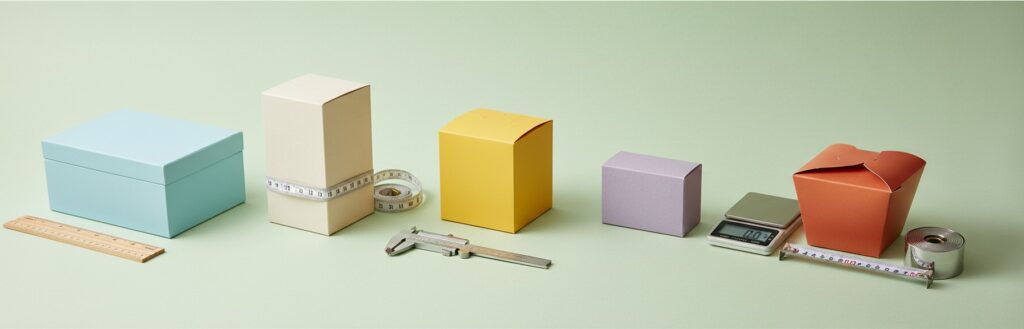
Choosing the right size of packaging is very important for the success of any product. Good packaging protects the product, economizing money and improving customer satisfaction. Wrong packaging destroys products, results in high shipping costs, and makes customers unhappy. The following guide will explain how to choose the perfect packaging size for any product.
The Right Sizing of Packaging: Importance
The size of packaging selected has an impact on the business on so many levels.
1. Hardening the Product
Good packaging prevents any damage during storage and shipment. Small custom packaging tends to squeeze the product, hence leading to breakage. Too large packaging allows room inside the package for movement to take place, which can cause scratches or dents on the product.
2. Reduced Shipment Cost
The cost of shipment may vary depending on package size. Smaller, better-fitting boxes are cheaper to mail. Larger boxes raise shipping costs and waste space in the delivery trucks.
3. Improve the Customer Experience
For consumers, packaging has become synonymous with the product itself, an intrinsic part of the value proposition. Rightsized packaging communicates professionalism and thoughtfulness. It gives a positive feeling toward the brand.
4. Supporting Storage and Shelf Space
Packaging of an appropriate size guide saves space in a warehouse. Retailers prefer that inventory arrive in nice, standard-sized packages. This allows for easy stacking, display, and selling of the products.
Product Size Measuring for Packaging
The first step in choosing a packaging is the correct measurement of the product.
Step 1. Take the measures of length, width, and height
Measure across the edge to edge of the product. Take a ruler or measuring tape, or any digital caliper, for more accurate results. Leave a little more room than might actually be needed, allowing for padding in case the product is fragile.
Step 2: Consider Product Shape
Packaging requires different methods because the shape is different according to the type of item. Flat products take shallow boxes, while tall items take deep boxes. With the help of custom inserts or flexible packaging, unusual shapes can be achieved.
Step 3: Make room for padding
Fragile products must be cushioned using materials like bubble wrap or foam. Add 1-2 inches around the product for protection. This padding will keep the parts from damage during shipment or any form of handling.
Types of Packaging According to Size
Different packagings suit various sizes of products.
1. Smaller-Sized Packages
This is used in the case of small items, which can be anything from jewelry to cosmetics, even electronic accessories. Smaller packaging uses less material and is, therefore, cheaper. Some common small packages are boxes, pouches, and tins.
2. Medium Packaging
Applied to products like books, shoes, small gadgets, etc. They balance protection with shipping cost. Medium-sized boxes are common. Among such medium-packed goods, the popular ones are the corrugated cardboard.
3. Large Package
It is used in large products, from appliances to toys to furniture. The larger boxes may need extra padding with materials that are far stronger. Properly sized large packaging provides safety to the product.
Material Selection for Appropriate Packaging Size
Material choice affects the effectiveness and longevity of packaging.
1. Cardboard Boxes
Cardboard is flexible and inexpensive. Available for different thicknesses, these vary from lightweight to heavyweight products. Material is easily cut and folded to sizes as needed.
2. Corrugated Boxes
Corrugated boxes are strong and can protect many heavy or fragile objects. They are suitable for shipping and storage. Flutes in the corrugated boards offer more cushioning.
3. Plastic Packaging
Plastic packaging is used for liquids and products sensitive to moisture. Depending upon product requirements, it may be rigid or flexible. Plastic allows for visibility and strength.
4. Green Alternatives
Examples of such materials include recycled paper, biodegradable plastics, and compostable materials. Besides, eco-friendly packaging can attract ecologically oriented consumers. It is lightweight and, thus, tends to reduce costs during shipment.
Determining the Size of a Package
If the dimensions of this product were different, the right size of packaging would depend on its needs for protection and shipment.
Step 1: Measure Product Properly
Measurements for length, width, and height should be done meticulously. To simplify measurement and calculation procedures, round off measurements to the nearest half inch.
Step 2: Material Selection for Cushioning
Delicate products call for cushioning from bubble wraps, foams, and even molded pulp. To these, add the amount of padding thickness on each measurement.
Step 3: Selection of Packaging Style
Choose according to product type and size: the box, pouch, or bag. The boxes are used for rigid protection, while the pouches are used for flexible items.
Step 4: Test Fit
Place the product in selected packaging. Check that it is snug and cushioned. Make sure there will be no extra room for them to maneuver around.
Step 5: Check Shipping Requirements
Consider carrier shipping restrictions and size limitations. Avoid overpackaging whenever possible to save extraneous shipping costs. Select proper packaging for both product and shipment requirements.
Ingredients Affecting the Selection of Packaging Size
A lot of different factors influence packaging size choice.
Fragility of Products: Fragile products need more cushioning and space. Extra padding prevents breakage while in transit.
Product Weight: Heavy goods require packaging materials that must be tough and heavily reinforced. Extra strength to prevent crushing and damage.
Product Shape and Size: Long, tall, or irregularly-shaped products will typically require special packaging. Cylindrical or round items will also call for boxes or tubes that are round.
Storage and Shelf Space: Proper packing will provide efficient storage and display. Save on warehousing and shelving with uniform stackable boxes.
Branding Considerations: The size of packaging reflects brand presentation. Well-fitting packages also look professional and superior. Oversized packaging may seem like a waste and worsen the brand image.
Common Mistakes in Selection of Packaging Size
Fewer mistakes translate into less cost, and products will be far safer.
Oversized Packaging: More packaging translates into higher shipment costs. It also wastes material and storage space.
Neglecting the Cushioning Requirements: Items will be damaged while in shipment without padding. Apart from that, there may also be losses regarding customers for defective products.
Not Testing Packaging: Failure to carry out proper fit testing leads to incorrect selections regarding size. Naturally, actual product testing of packages should be performed well in advance of mass production.
Over-Designing: While complex packaging may look good, this could raise production costs. The best packaging is often quite simple, yet effective.
Selection of Packaging Size for Tools and Technology
The software helps design the boxes with their exact dimensions. It can also estimate material usage and even advise on the sizes that are most economical.
1. Measuring Tools
Digital calipers, tape measures, and scales provide for precise measurement. Accurate measurements avoid mistakes in packaging that could be costly.
2. Online Packaging Calculators
Many online tools estimate the boxed size based on product dimensions. They save time and ensure accuracy.
Sustainability in Packaging
Smaller, rightly-sized packages reduce waste. This will further reduce shipping costs by reducing carbon emissions.
Choosing Recyclable Materials: Recyclable cardboard and paper reduce environmental impacts. Customers would always go for brands if more eco-friendly material content is involved.
Box Design Optimization: Custom-sized boxes reduce the excess use of materials. Safety without extravagance is guaranteed by optimization.
Choosing the Right Size of a Package
Various tips will enable one to identify the best size in packaging:
Always measure your products carefully. Size calculations should include padding. Pre-production samples to test the fit before placing a bulk order. Accounting for shipping and storage constraints. Choose materials according to weight and fragility. Packaging must be simple and professional. The usage of eco-friendly materials would attract many customers who are very conscious about all this.
Examples by Industry
Here are following examples by the industry.
1. Jewelry: Small Compact Boxes Containing Foam Inserts
Small boxes suit the item perfectly. Extra benefits: small, elegant boxes give a look of luxury to the product. Also, the cost of shipment decreases since the box will be small and light.
2. Books: Medium-Sized Boxes with Protective Wrap
Medium boxes prevent damage and shifting. Materials: Cardboard boxes lined either with bubble wrap or paper padding. It saves on shipping costs and accommodates warehouse storage.
3. Electronics: Medium to Large Boxes with Molded Inserts
Proper fit prevents devices from shifting in shipment. Materials needed: corrugated boxes, molded foam, or plastic inserts. Extra benefits: fewer returns, happier clients, enhanced branding.
4. Furniture: Large Corrugated Boxes with Extra Cushioning
Large boxes prevent scratches, dents, or breakage. Materials: tough corrugated cardboard along with bubble wrap, foam, or molded protecting corners. Extra benefits: protects the product and minimizes damage claims.
5. Cosmetics: Small to Medium-Sized Pouches or Boxes
Proper fit prevents spills or breakage. Materials: Cartons of cardboard, pouches, or rigid containers with inserts for fragile items. Added advantages: appealing, snugly fitted packaging improves brand perception and reduces shipping costs.
Advantages of Choosing the Appropriate Packaging Size
Smaller, better-fitting boxes are cheaper to mail.
Less Product Damage: Preformatting with the right dimensions prevents breakage.
Improved Customer Experience: Neat and professional packaging ensures higher satisfaction.
Efficient Storage: Well-sized boxes save on warehouse and shelf storage.
Brand Reputation: Professional packaging raises the brand image and perceived trust.
Conclusion
Packaging size is one of the most important decisions that will be made for product protection, economizing packaging costs, and meeting customer expectations. Precise measurement, padding, selection of material, and testing will ensure that everything fits as it should. Good packaging enhances storage and shipment with business branding. This manual will take one through the process of selecting packaging that covers all three premises: protection of the product, cost reduction, and a positive customer experience.
Frequently Asked Questions
Q1: What if the packaging is too big?
Too-large packaging wastes material, raises shipping costs, and can damage the product.
Q2: Measurement of Irregularly Shaped Products?
Measure length, width, and height at the widest points, then add padding space.
Q3: Can small products use large boxes?
It is not economically feasible to send small goods in large boxes without the risk of their damage.
Q4: For fragile items, which type of packaging material would be appropriate to use?
For fragile products, corrugated cardboard would be suitable with either foam or bubble wrap.
Q5: What percentage of the packaging is saved upon shipment?
Use a small-sized box in which the item will fit safely with cushioning.