
How to Design Packaging That Tells an Emotional Story
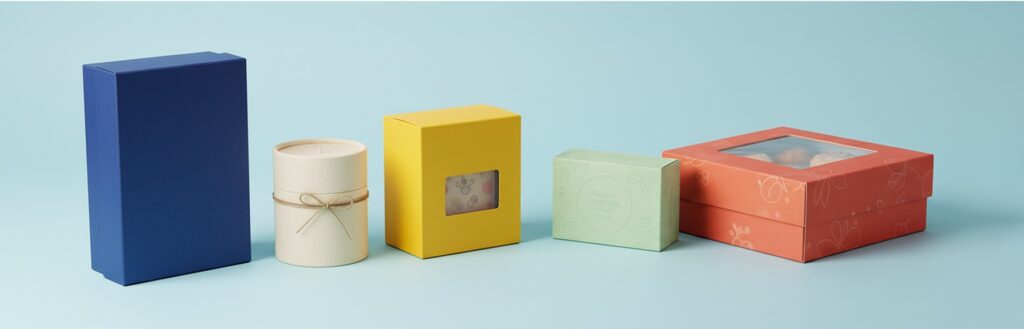
Design Packaging is way more than protecting the product; it connects a customer to a certain brand. Packaging with an emotional story to be told stirs emotions in customers. When emotions become a part of the experience, a product is remembered and builds trust, loyalty, and brand recognition. Colors, shapes, and materials can denote a story.
Understanding Emotional Storytelling in Design Packaging
Storytelling in packaging is about creating feelings through emotion, not through product description. This might be happiness, nostalgia, excitement, or curiosity. If customers feel an affinity, then products will feel special.
1. Why emotions matter in packaging
The emotions involved with the purchase decision: Customer decisions to buy anything are usually emotional. Positive feelings from the custom packaging mean more sales. Besides, customers will be prepared to share a few of those experiences on social networking sites.
Know the Brand Story
Packaging can denote your brand values: a brand for sustainability will use eco-friendly materials, and a luxury brand will show it with elegance and class.
1. Highlight USP
Something unique is in every product. It may be packaging that shows USP. For example, organic skin care may point to natural ingredients. Unique points tell the story authentically.
Then choose colors in view of Emotions
Colors invoke emotion. Red suggests excitement or passion. Blue shows trust and tranquility. Green is for nature and health. Color choices need to accurately reflect the story of the product.
1. Colour applied consistently
Color consistency consolidates recognition. Specific colors, therefore, get associated with the brand in the mind of a customer. Colors reflecting the story amply integrate emotional connection.
Use speaking shapes and materials.
Round shapes are friendlier and softer; sharp edges mean boldness and strength. The right shape can denote product personality.
1. Materials That Evoke Emotion
Soft-touch paper is luxurious. Kraft paper feels eco-friendly and natural. High-quality materials make the product feel valuable. The material choice to be used should match the emotional story.
Add relevant graphs, illustrations, etc.
Illustrations can show the origin or journey of the product. Hand-drawn illustrations have a very personal, artistic look and feel to them. Graphics are to enhance the story; they should not overpower it.
1. Elaborate versus Minimalist Designs
Minimalistic design speaks of simplicity and elegance, while rich illustrations speak of richness and creativity. The style should be reflective and attuned to the brand story.
Personality with Typography
Fonts have personality. Serif fonts are classic and formal. Script fonts flow with feeling and personality. Bold fonts exude confidence, strength, and commanding presence.
1. Readability is Key
Typography should be readable; very complex fonts will confuse the customer. Storytelling works on an emotional level when the message comes across.
Add sensory input
Embossed or debossed textures create tactile elements. For the consumer, comfort is associated with soft-touch finishes. Textures create an emotional bond to a product.
1. Odor and Noise
Surprise customers with sweet-scented packaging. Sound elements like crinkly paper add fun to the unboxing. Sensory experiences reinforce the emotional story.
2. Create an Unboxing Experience
Many layers in packaging build excitement. A layer-by-layer unwrapped product looks like a present. Presentation enhances this storytelling on an emotive level.
3. Personal Touches
It is where thank-you notes, small presents, or motivational quotes are attached. Personal touches will help customers remember the product.
Clearly include the brand message.
It should be explained through packaging what the brand connection is all about. Instead of having long paragraphs, it’s better to have short messages. It would allow customers to get the story across much quicker.
1. Employ the art of storytelling in your work.
Printing on the box may contain short stories, brand journeys, or even product origins. Customers identify with the purpose it was made for.
Design for the Intended Audience
The packaging should suit the lifestyles and preferences of the targeted group, for example: bright colors with a playful design appeal to children, while adults will like tasteful and discreet designs.
1. Cultural sensitivity
Colours, images, and messages should be sensitive to the cultural considerations of the specific social transaction. Emotional storytelling works when it is relevant culturally.
Balancing Functionality and Emotion
It needs to protect the product during shipment or handling. A pretty but damaged product has ruined the emotional story.
1. Practical and Emotional Design
Packaging is functional, emotional, or perhaps even both. Easy-to-open boxes, reusable pouches, and eco-friendly materials can help to satisfy both of these needs.
Capitalize on Digital Integration
QR codes could be linked to a brand video or story; AR shows the product story or tutorials. Technology amplifies the emotional experience.
1. Encourage social sharing.
Creative packaging does inspire social media posting, hence increasing the brand’s reach and emotional engagement.
Lacan’s thought can be described as a continuous return to the issue of the imaginary.
Testing and Refining
Gather feedback about emotional impact: Truly understand how the packaging makes customers feel.
1. Continuous Improvement
Customer preferences and trends on packaging are constantly changing.
Examples of Brands Using Emotional Packaging
Deep browns and golds are common in chocolate companies. The messages on the boxes often relate to love, happiness, or some sort of celebration.
1. Skincare Luxury Products
The premium skincare consists of soft textures, elegant typography, and minimalistic design. It will make the customer pampered and valued.
2. Green Products
Some ecological brands use kraft boxes, recycled paper, and green colors. The consumer feels responsible and closer to nature.
Effective Emotional Packaging Tips Expanded
The story to be told by packaging should be straightforward. Too many words confuse the customers, as complicated designs do. A crystal-clear story helps customers feel the purpose in an instant. Simple messages stay longer in their minds and have more emotional impact.
1. Brand the Product with a Personality
It also says packaging has to express the differential aspect of the product, whether it is luxurious or eco-friendly, or fun; the design needs to represent that. It increases the likelihood of people connecting better with the customer if the packaging reflects the personality of the product.
2. Use Colors, Shapes, and Materials that Match Emotions
Colors, shapes, and materials speak what words do not. Warm colors create a feeling of excitement, soft colors tend to feel calming, and natural materials feel ecological. Choose the right mix of these, and this emotional story will reach the customers in one go.
3. Create an element of surprise
Surprise makes the packaging memorable: a hidden compartment, a small note, or an odd texture will surprise and delight your customers. A surprising unboxing strengthens their emotional connection to your brand.
4. Personal touches make for an unforgettable experience.
Personal touches such as thank-you notes, stickers, or inspirational quotes make them feel special. Personalized messages make the brand appear to care about them and build loyalty.
5. Product Consistency
Coherent design features in colors, logos, and fonts will underscore the story. The customers will remember the brand easily and recall the emotional experience of past purchases.
6. The packaging should be functional and protective
Beautiful packaging also needs to protect the product. Damaged products destroy the emotional experience. It should be easy to open, durable, and designed for the safe delivery of the product.
7. Using sustainable, eco-friendly materials
Eco-friendly materials have a positive emotive effect: people are proud to show support for sustainable brands. Packaging that is protective for the environment may tell a story of being responsible and caring.
8. The communication should contain a clear brand message
Packaging should communicate a clear message about the brand. Sweet and short does the magic: the customer understands in a jiffy what the brand story is and remembers why this product was created.
9. Add Interactive Elements
It can also be made interactive with things like QR codes, AR experiences, and even games within the packaging. Interactive packaging raises the level of customer involvement, strengthening the emotional story.
10. Encourage Social Sharing
Creative packaging will inspire consumers to share it on social media. Hashtags, contests, or striking boxes amplify brand awareness and an emotional story.
11. Continuous Testing with Real Customers
Customer feedback is the ultimate barometer of how packaging makes people feel. Focus groups or surveys really point out what works and what doesn’t. Testing will show if an emotional story will resonate with an audience.
Extended Benefits of Emotional Packaging
People emotionally relate to products they love. Emotional Packaging fortifies that bond, making them your repeat customers. When a customer feels he or she is being understood and valued, then comes loyalty.
1. Encourages repeat purchases
The packaging in itself should provide the consumers with a ‘pleasant experience’; that way, consumers would be willing to buy more. Products are remembered because of emotional links and, therefore, sales tend to increase over time.
2. Creates Social Media Buzz
This unique and good-looking packaging is shared on social media. Photos, unboxing videos, and stories spread awareness in no time. Without any extra cost, emotional packaging becomes a part of online marketing for a brand.
3. Differentiates Products from Competitors
Storytelling packaging says, within a crowded marketplace, what difference the product is going to make to the consumer’s life. Emotional elements such as colors, textures, or a personal touch may stop the browser and capture the attention of a potential customer to help them remember the brand.
4. Enhances Customer Satisfaction and Perceived Value
Caring and aesthetic packaging pleases the customer. Packing with emotional appeal adds value to the product. Even very basic products become premium when the packaging creates a beautiful mood.
Conclusion
It’s more than just a container; it’s telling a story. Colors, shapes, materials, graphics, typography-all these result in the emotive experience. Emotional packaging engenders loyalty, sparks sales, and makes products memorable. Every single feature will have to portray the brand story. Clear, memorable, and meaningful-the effective emotional packaging. The brands that are going to invest in telling their story with their packaging are going to be those making long-lasting connections with customers.
FAQ Section
What is emotional packaging?
Packaging that could stir the feelings of customers, perhaps with the story behind the brand.
Why is the colour on packaging so important?
Colors evoke emotions and drive impulse buying.
Can packaging increase sales?
It absolutely can. Emotionally connected packaging will influence the customer in choosing one product over the other.
What materials will yield the biggest emotional return?
High-quality, tacky materials such as soft-touch, kraft, or textured paper can invoke good feelings.
How do brands test emotional packaging?
Emotional impact is given by customer surveys, focus groups, and social media feedback.