
How to Design Eye-Catching Custom Boxes That Sell Instantly
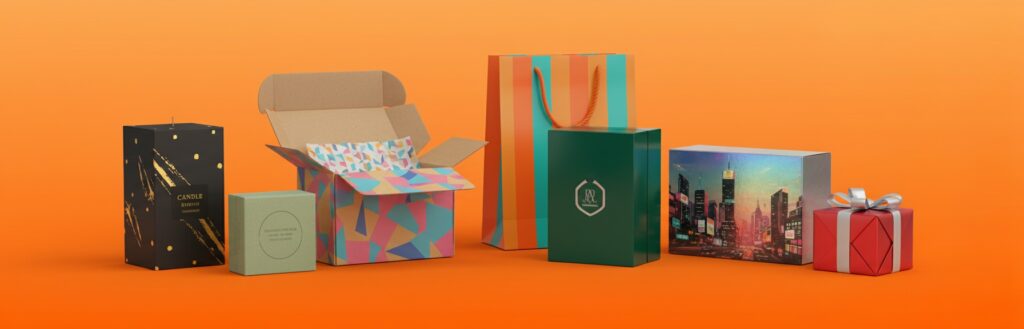
Actually, each product packaging box is not a covering; it tells a story about the brand and builds up the first impression. Great design makes simple packaging a selling tool. When some of these creatively designed and attractive-looking boxes come into shoppers’ field of vision, that creates an interest in an instant. Such catchy-looking custom boxes will make your products stand out and sell fast in this competitive market.
Understanding the Power of Custom Boxes
Packaging also acts as a silent salesperson, and it is the packaging that catches the eye before the product does. Intelligent design may make a customer stop and look at it a second time. A good custom box instills confidence in the quality of the product.
In packaging, every shape, color, and detail counts since buyers often perceive value through packaging.
Custom packaging can protect and create emotional value. A box that looks either elegant or exciting, in turn, makes the product special, and the emotional touch may even affect fast-buying decisions.
Step 1: Clearly Identify the Target Group
It all starts with the audience. A box that is supposed to be made for kids looks so different from one that is to be used for luxury skin care. Color, size—even the material—depends on what the audience likes.
Do your research to see what the targeted group is looking for. For instance, eco-friendly shoppers will like sustainable boxes made with recycled material, while a sleek and modern design would work better for tech-savvy shoppers.
Knowing your audience will help in choosing the right design style that would instantly connect with the buyers.
Step 2: Understand Color Psychology
Colors have much to do with consumer feelings. Bright colors, like yellow, reflect energy and happiness; green reflects nature and health, while black and gold depict luxury.
The right color palette will help in conveying the brand message with more precision. While soft pastel colors may work for beauty products, bold red can be used for sports or energy-based items.
Besides, judicious use of color can provide striking visual communication and make packaging memorable.
Step 3: Keep the Design Simple
It should be simple yet appealing. A cluttered design only puzzles the shoppers. The best options are a simple layout and a message.
A clean-cut design involves one major image or logo, and that has to be professional-looking. Too many colors, shapes, or even lines of text are distracting for the eye.
What this means is that one strong element of visual communication should be made the centerpiece to carry the strength of the product. For instance, a single big logo may render the box both elegant and bold at once, or a minimal pattern.
Simplicity always sells faster, and it allows the buyer to understand the brand a lot quicker.
Step 4: Add Unique Brand Identity
What will make this box unforgettable is brand identity. It should carry the logo, tagline, and brand colors. These things create recognition and trust.
The repetition of design elements through the products viewed by customers allows them to remember the brand. Strong identity evokes emotional connection and further loyalty.
While for the food brand, warm colors and playful fonts are to be used; for the luxury perfume, one should employ gold foil and embossing. Each box speaks for what the brand stands for.
Step 5: Choosing the Right Material
Besides its appearance, the tactility of the box is important. The material used determines strength and reliability, while a soft-touch coating gives it a premium feel.
Eco-friendly materials capture the attention of conscious shoppers who like to go green in any field. Depending on the nature of the product, the materials can range from kraft paper to corrugated cardboard and rigid boxes.
Delicate products need more protection, while lightweight ones will be adequately served with flexible paperboard. High-quality material also adds perceived value to the product, rather than just protecting it.
Step 6: Use Smart Printing Techniques
The quality of printing also plays a huge role. Varied types of modern printing, such as digital printing, offset printing, and UV coating, really bring out the colors.
Giving texture to and adding a 3D effect by embossing or debossing, while making logos and brand names really shine with foil stamping, is wonderful. Spot UV gives glossy highlights that really draw the eye.
Such printing options can make an ordinary box look very sophisticated and give it a professional appeal. Choosing the right technique for a certain product category will make sure that the first impression is proper.
Step 7: Add Functional Design Elements
Good packaging is both beautiful and functional. Easy flaps to open, magnetic closures, or handles enhance the user experience.
A smart structure for protecting the product while it’s in shipment offers value. Functional designs also contribute to reusability—for example, a box could later be used for storage or display, and every time the customer looks at it, it will remind them about the brand.
Besides, protection and convenience in design may raise customer satisfaction, thus leading to more sales.
Step 8: Add a Personal Touch
Packaging can be made to feel more human with little personal touches: a thank-you note, a printed message, or even a branded sticker.
Such touches speak volumes about due care and attention being offered. They further encourage customers to share their unboxing experiences on social media, hence aiding in organic brand awareness.
Personalization can make a box emotionally connect with customers and make what was a simple purchase a special moment.
Step 9: Consider the Sustainability
Nowadays, many modern brands make eco-friendly packaging their priority. Biodegradable or recyclable materials will help to protect the planet and make green shoppers trust them.
Packaging made from soy-based inks, plant-based coatings, or recycled cardboard attracts positive attention.
For this reason, sustainable packaging may also become a strong marketing point because many customers would choose a brand that takes care of the environment.
Earth-friendly materials reduce waste and make the brand appear responsible and forward-thinking.
Step 10: Test Before Final Production
Testing keeps costly mistakes at bay. Before mass production, one can make samples and check each and every detail for printing clarity, strength of the box, color accuracy, among other aspects.
Feedback comes through focus groups or directly from customers, which is helpful in ensuring the final design is going to look good, work right, and meet expectations.
Testing also ascertains that the design functions properly in transportation and display.
Designing for Emotional Connection
Therefore, the emotional connection can create repeat buyers. A design telling a story or sharing brand values will make memories that last.
For example, a handmade soap brand might use soft colors, natural textures, and warm messages. It is these little choices that speak to care and honesty.
Emotional packaging helps with loyalty and trust-building, leading to instant sales.
How Design Affects Buying Decisions
Most purchase decisions are made in seconds. Attractive packaging draws attention quickly.
When the box shows it is quality, trust is built quickly. Good design clearly communicates product information. Buyers know what the product is and why it’s worth purchasing.
Packaging is utilized as the silent salesman in stores and online. Alluring custom boxes can convince buyers with no spoken words.
Using Custom Boxes as Marketing Tools
Custom boxes protect products, but they also advertise the brand wherever they go. Each box can act like a mobile billboard while it is shipped or placed in stores.
Adding social media handles, QR codes, or any website link will definitely further encourage engagement.
Free marketing happens when customers share unboxing photos. Every detail on the box enhances brand reach and boosts recognition.
Common Design Mistakes to Avoid
Sometimes, some insignificant but vital mistakes, such as too busy graphics, poor printing, or confusing branding, make the design of packaging fail.
Too many colors or fonts will also tend to make it appear unprofessional. Always consider readability and balance.
Ignoring practical considerations, like product fit, protection, and effective opening, could mean damage and disappointment.
Avoiding the above errors ensures a polished and efficient design.
The Latest Trends in Custom Box Design
Minimalism, being eco-friendly, and interactivity are what the recent trends are all about.
Transparency in packaging now comes with windows, creative unboxing styles, and smart packaging. QR codes for digital engagement provide the facility for customers to scan and reveal stories or videos about products.
Soft matte finishes and pastel colors also win the race in being chic and contemporary. Keeping up the trend keeps packaging fresh and alluring.
Final Words
An attractive custom box design is the domain of creativity, comprehension, and attention to detail. The right design will serve product protection and drive sales.
Colors, textures, and fonts tell part of a story that customers remember. A box will stand out that is beautiful to look at, nice to hold, and reflects caring.
Paying attention to brand identity, simplicity, and sustainability, anything can be turned into a selling point.
Frequently Asked Questions About Custom Box Design
Q 1: What is success in a custom box design?
A design is successful when it catches the eye of the consumer, can easily be identified with the brand, and looks valuable.
Q 2: What colors sell boxes faster?
Generally, attention-grabbing colors like red, black, gold, and green make a big difference; they have the potential to elicit strong emotions.
Q 3: Why is material selection important?
Material impacts look and protection. Strong, eco-friendly materials build trust and quality.
Q 4: How does printing enhance the design?
High-quality printing and finishes, including foil and UV coating, make boxes look premium.
Q 5: Is sustainable packaging a great idea?
Yes, it builds brand reputation and attracts responsible shoppers.