
How to Create Packaging That Tells Your Brand Story in Seconds
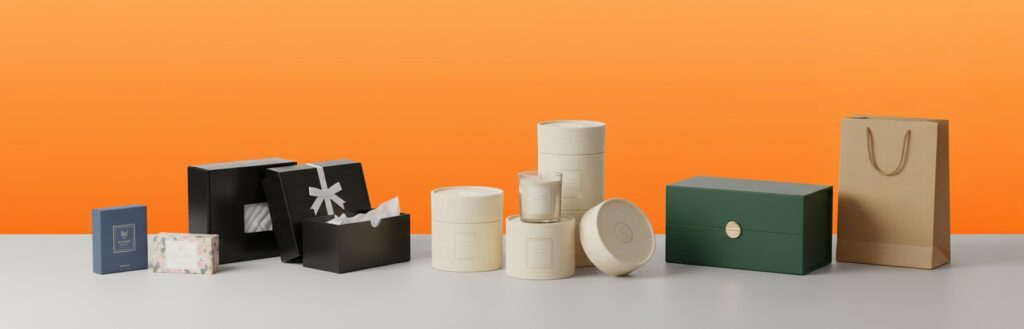
Each box or bag can speak on behalf of the brand prior to opening. It is usually the first thing that one sees, allows the creation of just that very first impression, sets emotions, and builds trust. Good packaging isn’t just about looking good; it’s one way of telling a story that lets the product connect with people.
A powerful brand story on the pack itself would make it stand out on the shelf or online, and the name would be remembered by the customer. And if the design communicates fast, then the hearts are won, and the sales surge.
Understanding the Power of Storytelling in Packaging
Biodegradable packaging will tell a story about care for the planet, and boxes of luxury will speak of class and quality. Minimal designs speak about purity and honesty. Every color, every texture, every font is able to say something in silent ways.
How Packaging Speaks Without Words
Packaging can tell stories of a brand without using even one sentence through design, materials, and colors. Because the brain reacts to visuals at a much faster pace compared to words, the right look can thus share meaning in an instant.
Shapes and textures count, too: a soft matte finish can be elegant, while recycled paper may denote responsibility. A glossy coating speaks of excitement and energy. These mute details speak volumes about what the brand is all about.
Choosing Colors Appropriately to Convey a Brand Story
Color is one of the most powerful media in packaging design that can tell a story. Every color bears some information along with it and stirs particular emotions.
- Blue reflects trust and calmness.
- Green represents nature and freshness.
- It symbolizes passion and energy.
- These colors denote luxury and power.
A proper mix of color can make the story stronger and connect more people to brand messages at a glance.
Typography: To Give Voice to the Brand
Also applicable is the kind of font used on the package. Fonts may portray mood and character.
- The bold font is strong and confident.
- Scripted fonts are graceful and creative.
- Clean sans-serif fonts show modern simplicity.
Typography shall represent the tone of the brand. Soft golden letters may be used on the box of luxury chocolate, and playful, colorful fonts may be used on kids’ snack packs. That’s how people get to feel a brand’s personality in a second.
Imagery and Icons to Reinforce the Message
Pictures, drawings, and icons all work to help people understand what it is that the brand is about. Images can tell stories far quicker than words can.
A skin-care product would probably show soft textures and natural plants to share purity, but for a coffee brand, mountain shapes might remind people of fresh beans from farms. Smart visuals guide emotions and help make the brand memorable.
Material Choice: The Feel of the Brand Story
Packaging material can also be very important in storytelling. Much is said by the way that a box feels.
Kraft paper narrates the story of eco-friendliness and simplicity. Rigid boxes speak of luxury and premium value. Corrugated material illustrates strength and reliability. Texture creates relationships through touch: smooth finishes are modern, while rough textures are natural. When design and material align, the story feels complete.
Minimal Design: When Less Says More
Simple packaging can say much more than very busy designs. In minimal design, the focus remains clear and sleek. It reflects that the brand is confident and clean.
The white space gives the eyes rest and makes the message pop. Besides, minimal custom packaging design is green and budget-friendly. That is the sign of modern taste and smart thinking.
Sustainability: The New Brand Story That Speaks to Everyone
Eco-friendly packaging is close to the spirit of modern times: taking care of Earth’s future and the future of mankind.
Soy-based inks, recyclable materials, or compostable paper—these are materials that tell a story of responsibility. Green packaging makes people trust the brand; hence, making the product more attractive for conscious buyers. It is an approach that gives meaning beyond the product: packaging as a promise of honesty and care.
Cultural and Emotional Storytelling in Design
Packaging may represent culture, history, or even feelings. It might tell the story of where this brand originally came from or what it stands for.
For example, traditional patterns tell heritage, bright symbols reflect local art or festivals, and on the personal level, smiles, hearts, or even warm colors connect emotionally. Such storytelling makes packaging more than just a wrapper; it is almost like a bridge between brand and heart.
Consistency is the Key to a Strong Brand Identity
From small labels to big boxes, every package should be part of an ongoing tale. Consistent design builds trust and recognition.
When the color, logo, tone, and style are kept the same for all of the packaging elements, then people remember the brand quite easily. It keeps the brand professional and reliable. Consistency is the thread that holds the story together.
Examples of Packaging That Tell Stories
Indeed, many successful brands do effective storytelling in packaging.
A tea brand might show its calm and nature with earthy tones and natural paper.
A skincare product might denote purity and self-care with soft tones and floral art.
Or, probably, a snacking brand colored vibrantly with playful fonts represents joy and vitality.
The following represents how design tells a story that evokes emotions instantly.
Adding Small Details That Speak Loudly
It is the little things that make a difference in storytelling: embossed logos, ribbon ties, and even handwritten notes add personal touches. Even the smell of packaging paper or the sound of opening a box can add to the story.
Every little thing counts to make that memorable moment for customers. These are the moments that create emotional bonds and long-term loyalty.
Testing the Design to See If the Story Works
Test if the story feels clear before closing the packaging. Show this design to a few people and ask what they feel when they see it.
When the answers are on point with the brand message, your design works. Otherwise, adjust colors, text, or layout until it does. Testing creates strong visual storytelling that really connects.
Digital Integration: Making Packaging Interactive
Packaging may now also incorporate digital elements: a QR code or an NFC tag linking to brand videos or origin stories.
This blend of physical and digital storytelling provides the complete experience; it makes the brand feel alive and up-to-date with modern trends. People just love it when packaging tells a story and invites interaction.
Why Fast Storytelling Matters in Modern Retail
A customer decides in seconds in a shop or an online store. If the packaging can tell a story that fast, it wins.
Clear visuals, right color choices, and smart design elements can make sure that the brand story comes across easily. A strong story creates emotional appeal and encourages a purchase quickly.
Conclusion: Turning Every Box into a Story
Packaging is more than the protection of a product—it’s a silent storyteller that speaks with color, shape, and texture.
When design connects emotions, materials feel right, and visuals match values, the packaging becomes a storyteller in seconds. Each box can tell the message of trust, quality, and care without words.
A well-told story of a brand through packaging remains in the heart and memory of every customer long after the product is gone.
Frequently Asked Questions
Q1: How does storytelling in packaging influence buying decisions?
Storytelling creates an emotional connection, helping customers relate to the brand. It turns simple packaging into a memorable experience that builds loyalty.
Q2: Why is emotional design important in packaging?
Emotional design helps trigger feelings like trust or excitement, which influence purchasing behavior. People buy based on emotion first and justify with logic later.
Q3: What role does color play in packaging storytelling?
Colors set the mood and communicate brand values instantly. For example, green shows nature and calmness, while gold symbolizes luxury and premium quality.
Q4: How can minimalist packaging still tell a story?
Through subtle design, typography, and texture, minimalism can express purity and sophistication. It focuses on clarity and emotional depth rather than clutter.
Q5: How does packaging storytelling help brand recognition?
Consistent storytelling through design elements helps people remember and identify your brand. Each package becomes part of your brand’s ongoing narrative.
Q6: Why is sustainability a powerful story in packaging?
Eco-friendly packaging shows responsibility and care for the planet. It builds trust and attracts environmentally conscious consumers who value ethical brands.
Q7: How can texture and material enhance a packaging story?
Texture engages the sense of touch, making the experience more memorable. Soft matte finishes or natural kraft materials add emotional depth and authenticity.
Q8: What is the connection between packaging and brand loyalty?
When packaging tells a relatable story, customers form emotional bonds. This connection turns first-time buyers into repeat customers who trust the brand.
Q9: How does transparency support storytelling in packaging?
Transparent or clearly labeled packaging shows honesty and confidence. It tells the story that your brand has nothing to hide and values customer trust.
Q10: Can cultural storytelling in packaging improve sales?
Yes, using cultural elements in design makes customers feel seen and valued. It strengthens emotional ties and expands brand appeal across different regions.