
Green Packaging Innovations That Impress Eco-Conscious Customers
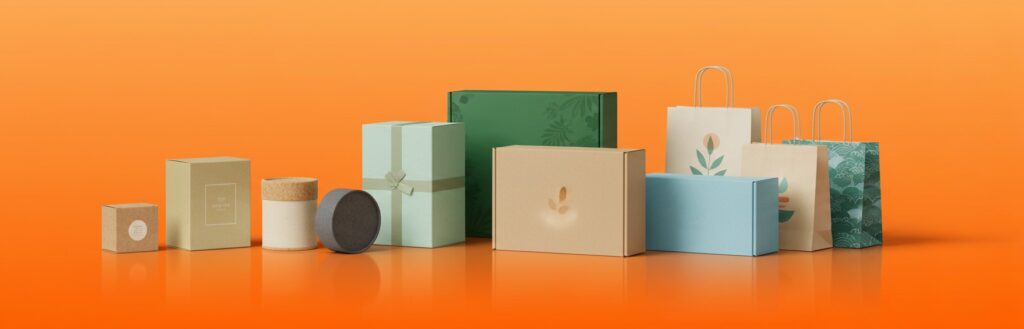
People in modern life are much more concerned about the environment. Many people would love to have that kind of product that does not harm nature. Therefore, green packaging innovations have become so crucial nowadays in business because it reduces waste and helps with an essential issue: taking care of the planet. It could therefore attract very eco-conscious customers. Brands using eco-friendly materials show they take care of nature and customers.
Now, sustainable packaging is not a trend but one of those intelligent ways through which a brand can create a positive image and win the trust of its customers.
What is Green Packaging?
Green packaging, also called eco-friendly custom packaging, is a form of production whereby packaging is made out of materials that are friendly to the environment. Normally, these are recyclable, reusable, and even biodegradable. This kind of packaging minimizes waste and carbon emissions by using the least amount of resources in its production.
This is a type of packaging that contributes to the circular economy, whereby materials are not thrown away but are reused.
Why Green Packaging Matters
Eco-friendly packaging saves the Earth from all types of pollution and waste material. Green materials can easily break down, unlike ordinary plastic packaging that contributes only to landfills, sitting there for hundreds of years.
Now, customers expect any brand to be concerned about the Earth. This kind of sustainable packaging helps a business win over all the eco-conscious buyers and creates trust for a very long period of time.
Top Green Packaging Innovations
New ideas on packaging design make this industry greener and smarter. Further, the most exciting green packaging innovations that amaze customers all over the world are discussed below.
1. Plant-Based Packaging Materials
Main developments in this respect concern packaging made of plant-based material, that is, material coming from renewable sources such as cornstarch, sugarcane, bamboo, or seaweed. It’s all material that decomposes naturally and therefore is not harmful to either the soil or the water, unlike plastic.
Another reason so many food and skin care brands use them in their attempts at reducing plastic consumption is that robust, safe, plant-based alternatives tend to look like premium products.
2. Mushroom Packaging
Mushroom packaging offers an innovative, organic solution using mycelium that, grown around cleaned agricultural waste, forms a strong and shock-absorbing material that may replace Styrofoam in shipping and protection applications.
It’s a biodegradable kind of packaging material that degrades within weeks and does not leave any toxic waste behind. Furthermore, it works very effectively for fragile items and electronics.
3. Recycled Cardboard and Paper Packaging
One of the most reliable eco-friendly materials is recycled cardboard. It’s super lightweight and very durable, plus very easy to print on. Recycled paper and cardboard save trees and reduce landfill waste.
That is why the brands use the material to manufacture boxes, mailers, and inserts. Some even add soy-based ink in a conscious effort to print in an eco-safe way. This simple and natural look is what appeals to customers.
4. Compostable Packaging Films
Compostable films are alternatives to plastic wraps and pouches. These consist of natural polymers, including cellulose, which protects the product and decomposes in an environmentally friendly way.
They are used for packaging food and beverages. They can keep fresh products without contributing to pollution. Compostable packaging gives peace of mind for the customer, knowing their waste will not harm nature whatsoever.
5. Edible Packaging
Probably the most interesting green innovation in this sector is edible packaging, meaning that directly after using a certain product, it will be time to eat the wrapper or container. These packages are made from seaweed, rice paper, or starch.
It doesn’t create any waste at all, so it is best applied to food and drinks. Edible packaging has grown increasingly popular day in and day out; this is the future of sustainable design.
6. Reusable Packaging Systems
The companies that make reusable packaging produce durable containers that can be used a certain number of times. The product shall be packed in reusable vessels, returnable or refilled, instead of being packed in single-use versions like boxes or bottles.
This reduces waste but also creates brand loyalty. Consumers like packaging that will last longer and is cheaper in the long run.
Examples include pouches for shampoo refills, glass jars for food items, and cloth bags for shopping.
7. Water-soluble packaging
Water-soluble packages melt in water completely because of their composition with safe, biodegradable films such as PVA – polyvinyl alcohol. Such packaging could include detergent pods or instant drink mixes.
This minimizes plastic waste and does not leave residues, ensuring a safe and clean, highly environmentally friendly formula.
8. Minimalist Packaging Design
That look is pretty attractive, with minimalist packaging being ecologically friendly; it involves fewer materials and ink – generally, it is all about simple design. When the company cuts all the extras off, it automatically cuts the waste while saving some money simultaneously.
This statement unmistakably imparts information about one brand’s eco-values. To many customers who like simple, clean packaging, this is seen as honest and responsible.
9. Corrugated Bubble Wrap Alternatives
The conventional bubble wraps were made from plastic materials initially; however, the new eco-friendly alternatives incorporate corrugated cardboard in their design. It contains in its design small pockets of air whose main function is to protect fragile items without the involvement of plastic.
Fully recyclable, it provides a really natural look to the unboxing experience. For the most part, this will be an option for brands shipping fragile products that want to impress the green-minded shopper.
10. Biodegradable Mailing Bags
Biodegradable mailing bags are made either from cornstarch or PLA, both of which replace plastic mailers in online retail and safely decompose in compost.
They protect the products while in transit and can decompose within a few months. That’s how an e-commerce brand can reduce its carbon footprint while appealing to eco-conscious customers.
The role of technology in green packaging
Technology will make companies produce smarter and greener packaging. Designers are now using 3-D printing for highly specific shapes that use less material. Artificial intelligence helps in planning packaging to fit the product with minimum empty space.
Even smart labels with QR codes nowadays carry instructions for recycling or details about the material involved. Each one of these small steps makes the process of recycling both easy and effective.
Which of the following statements is the correct description of the location of the kidneys? A. There is a right and left kidney/pyelocaliceal system. The left kidney is slightly larger than the right. The left kidney sits slightly higher in the body than the right. The left kidney is positioned deeper in the body than the right.
How Green Packaging Builds Brand Loyalty
It means he or she will be attracted by a brand that can show or reflect his or her values. If the packaging can show that it cares about the environment, then the customer will feel proud of being associated with that brand.
Besides, sustainable packaging is going to make for a better unboxing experience. It’s a reflection of a brand that is respectful to quality and responsible towards nature. Happy customers are returning customers, and they share experiences online.
Issues in Green Packaging
There are still problems with green packaging: ecological materials can be too expensive or even hard to find. In other words, the firm has to balance cost, performance, and sustainability altogether.
But with increased demand, the cheaper alternatives get involved one after another. Innovation is making green packaging even more efficient by the year.
Tips for Businesses to Transition into Green Packaging
This transition to greener packaging can be done in steps by:
Use only materials that are recyclable or compostable.
Printing shall be done with only water-based or soy inks.
Avoid extra layers or oversized boxes.
Design reusable and recyclable packaging.
The box should have explicit recycling symbols or instructions.
These acts reduce waste and show real care for the environment.
The Future of Green Packaging
The future of packaging is in sustainability. Most companies have already started investing in research into types of materials that, while durable, would be more eco-friendly.
This means that any industry in the near future is supposed to use green packaging. As more awareness develops, customers will grow accustomed to the fact that every brand needs to go green.
Innovation will continue to apply natural materials, zero-waste systems, and smart recycling solutions.
Conclusion: Packaging for a Greener Tomorrow
Green packaging innovations have continuously changed the way businesses relate to their consumers. This is because the ecologically aware consumer always rewards those brands that take tangible steps toward protecting the planet.
Be it mushroom-based materials or containers that could be used time and again, each one of those ideas builds a world that is cleaner and a lot safer. As a matter of fact, green packaging saves the environment, but with it, trust and loyalty among buyers are also built.
Any sustainable solution taken by the brand today means a more successful and greener future.
FAQs in Green Packaging Innovations
Q1: Is Eco-Friendly Packaging More Expensive?
The savings come both from reduced waste and from stronger brand loyalty, even though some of the materials are a bit more expensive.
Q2: Can any form of product be packed in green packaging?
Actually, all food, cosmetics, electronics, shipping, and other packaging can be labelled as sustainable.
Q3: What is the future of sustainable packaging?
In the future, zero-waste, intelligently designed packaging will be renewable.