
Food Packaging Boxes: How to Keep It Safe, Attractive, and FDA-Compliant
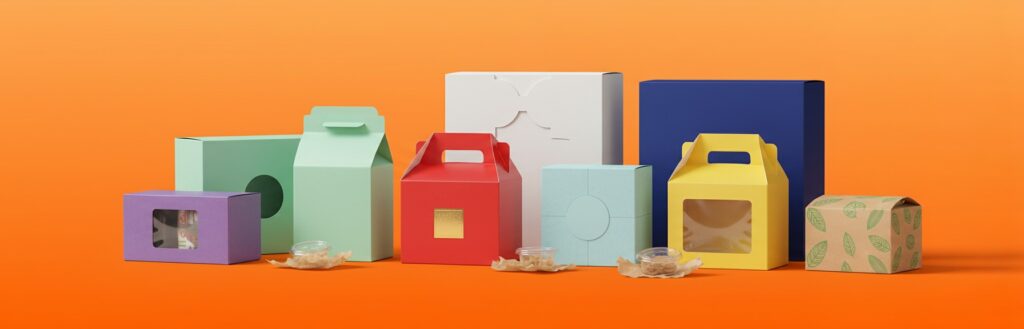
Food packaging holds a very important place, keeping food fresh, safe, and more attractive. Effective packaging of food items in a box keeps all of them safe and helps to gain the trust of customers. It keeps the products clean, saves them from any kind of damage, and makes them more eye-catching on the shelf. While paying attention to its appearance, it should not lead to the sacrifice of safety and related legal standards, including FDA compliance.
The guide explains in simple terms, using clear examples, how to keep food packaging boxes safe, attractive, and compliant.
What Makes Food Packaging Boxes Important Is
The custom packaging box protects food from dust, bacteria, and moisture. Food packaging boxes keep the taste and texture of the food fresh. It also avoids leakage or spilling that may cause wastage of food.
That is why good packaging also plays a marketing role: a box with fine design catches the eye and makes a strong impression. It will help customers choose the product with ease and create a notion of quality and care.
From bakeries to snack brands, safe and attractive packaging is the first key to success for any food company.
1. Keeping Food Packaging Safe
Safe food packaging is always necessary: Improper or unsafe packaging can result in contamination or spoilage. Some important points to ensure safety are as follows:
Use Food-Grade Materials
Food packaging shall only be done with food-safe materials. These are materials that do not release harmful chemicals into the food. Examples of safe materials used in packaging include:
- Kraft paper: It’s ecological, excellent for dry foods.
- Cardboard – Strong and safe for takeout meals or bakery boxes.
- PET plastic – This is usually used with cold foods and drinks.
- Aluminum – For hot meals and bakery.
The materials used must be certified for contact with food by relevant bodies like the FDA.
Avoid Toxic Inks and Coatings
Printing inks and laminations can, at times, be manufactured from harmful substances. It will, therefore, always be important to use FDA-approved inks that are nontoxic. Water-based or soy-based inks will be safer printing options for food boxes.
Coatings should be food-safe, whether glossy or matte. Also, avoid coatings that can flake or peel, especially near the areas where food is contacted.
Ensuring That Proper Sealing Is Done
Proper sealing keeps your food safe from air and moisture. A well-sealed box prevents contamination while it locks freshness in the box. For example, a pizza box should close easily; a snack pouch may require a heat seal.
Temperature Resistance
The packaging must be temperature-resistant: for the foods in hot conditions, materials that are heat-resistant are needed, while for the foods in cold conditions, to avoid sogginess, the foods need to be packed with a moisture barrier. In any case, the packaging must always be tested in hot and cold conditions.
2. Making Food Packaging Appealing
Attractive packaging will make the food products really stand out. People first eat with their eyes and then taste. The right design will increase sales and build a strong brand image.
Choose the Right Colors
Colors elicit emotions, and for boxes of food, bright and warm colors would work.
- Appetite is stimulated by the colors red and yellow.
- Green evokes a healthy and eco-friendly feeling.
- White is the color of cleanliness and purity.
The color should indicate the kind of food and also the brand identity.
Add Clear Branding
When there is a logo, tagline, or brand name, recognition is built. Printing these on the box will let the customer remember your product. The box is easy to read due to the use of simple and bold fonts.
Set Up the Information About Your Products
Clearly, this list of information that must be printed includes ingredients, expiry date, and storage instructions. Confidence is earned, and choices by customers are safer.
Use Creative Design
Shapes and design styles can make boxes unique. A window on the sandwich box or a handle on the doughnut box adds both style and function. The creative packaging enhances the unboxing experience, which has lately been very well-liked.
Eco-Friendly Appeal
Today, customers are looking for sustainable packaging. Boxes made from recycled Kraft paper and even biodegradable materials will tempt the eco-conscious buyer. A little “eco-friendly” label makes a big change.
3. Following FDA Packaging Guidelines
Food packaging in the US undergoes various processes to meet the standards the FDA has set, meant to protect consumers and ensure confidence.
Understand FDA-Approved Materials
The FDA lists materials safe for direct and indirect food contact. Packagings shall not impart harmful substances to food under normal conditions of use.
For instance:
- Paperboard for dry foods shall not contain recycled fibres unless treated.
- Plastic containers should be BPA-free and heat-resistant.
- Metal packaging should be coated with food-grade coatings to prevent rust or corrosion.
Labeling Rules
The FDA also regulates labeling. Each package shall bear the following information:
- Product name
- Ingredient list
- Net weight
- Manufacturer’s address
- Allergen warnings
Accurate labeling dispels confusion and brings transparency.
Proper Storage and Handling
Boxes should be kept in a clean place to avoid dust, insects, and any kind of contamination; the workers must wear gloves and keep themselves clean in the process of packaging the product.
Avoid boxes used previously or recycled for direct contact. Great for sustainability, but unless the box is certified food-safe, it shouldn’t come into direct contact with unpacked food. A liner or inner bag is always a good extra precaution.
4. Balancing Safety and Style
Both are of utmost importance: safety and appearance. A box is supposed to protect food while it still looks good. Here’s how to balance both:
Smart Material Choice
A base material that is strong and food-safe can be printed in an attractive manner. Kraft boxes have that natural feel and are good for handling prints in an eco-friendly manner.
Functional Design
Design should permit ease of handling. Box designs featuring handles, inserts, or windows provide added serviceability and presentation.
Clear Communication
The client is into simplicity. Just plain text with less design looks classier compared to busy prints.
Durable Yet Eco-Friendly
Lamination can be done on thick biodegradable paper or cardboard and doesn’t have to harm the planet. It also shows brand responsibility.
5. Food Packaging Mistakes You Should Avoid
Food packaging can avoid huge losses due to minor mistakes.
Overprinting or Bright Colors Near Food
If there is too much ink, smudging or contamination can result, particularly in areas around the food.
Although apparently a simple, unobtrusive element of construction, overlooking the importance of a vapor barrier can bring forth serious consequences on the structural integrity of your property.
Boxes will weaken or leak, and without resistance to moisture, foods will spoil.
Incorrect Box Size
Large boxes waste materials, while tight boxes affect the presentation of the food. Always test your sizes before you go into bulk production.
Legal Requirements
Skipped FDA instructions; if missed or incorrect labeling, it may lead to a recall of the commodity and thus damage to the brand. Compliance assured at all times before the sale needs to be verified.
6. Future Trends in Food Packaging
The food packaging industry has continuously changed with time and is still changing. Certain interesting trends shape its future.
- Smart Packaging: Intelligent labels provide information on the product to customers with the help of either a QR code or a freshness indicator.
- Minimalist Designs: Simple box designs are trending. Simple, neat boxes give a premium and modern feel.
- Sustainable Materials: The demand for plant-based plastics and compostable films is on the rise due to their eco-friendly credentials.
- Personalised Packaging: Printing customer or special messages on the box evokes an emotional feel.
7. Benefits of Safe and Appealing Food Packaging
Well-designed and safe packaging adds real value to a brand.
- Gains the trust of the customer.
- Reduces waste and damage.
- Improves shelf appeal.
- Meets health and safety standards.
- Gains brand loyalty.
- Enhances sustainable performance.
The above merits show why every big or small food brand should make an investment in quality packaging.
Conclusion
Food packaging is much more than a box. Food packaging protects food and delivers a brand’s identity, at the same time ensuring safety. A perfect food box needs to be robustly strong, good-looking, and all according to FDA packaging regulations.
Use of food-safe materials with clear labeling, along with creative design, makes packaging both reliable and beautiful. It will meet customer expectations and even create lasting trust if safe, attractive, and compliant packaging of foodstuffs is ensured. This shall be the foundation of a successful food business.
Frequently Asked Questions
Q 1: What is FDA-compliant food packaging?
It means that packaging materials and inks meet standards provided by the Food and Drug Administration.
Q 2: Can recycled materials be utilized for packaging food?
Yes, they can, but only when they are certified food-safe or used with a protective food-grade liner.
Q 3: Why is eco-friendly packaging important?
It reduces waste, attracts eco-conscious consumers, and shows responsible branding.
Q 4: How to make food packaging more attractive?
Bright colors, innovative designs, and clear branding that defines the product type will do it.
Q 5: What if packaging is not FDA-approved?
This may lead to penalties, recalls, or bans from selling the product.