
Biodegradable Custom Boxes: The Smartest Choice for Modern Brands
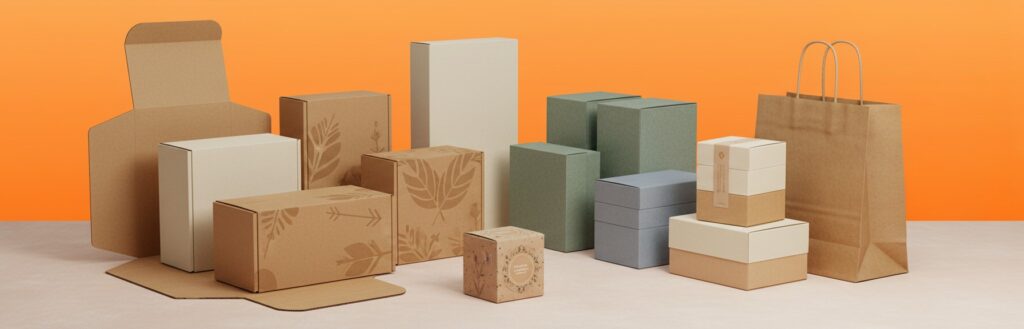
Nowadays, custom packaging is not just a box; it’s a story about care, responsibility, and innovation. Most modern brands stand for positive changes that are usually represented by using biodegradable custom boxes. Such boxes are attractive, strong, and ecologically safe.
Biodegradable packaging decomposes organically and does not form injurious waste. It reduces pollution and helps keep nature healthy. A smart shift to eco-friendly material usage is the future of branding and business.
What is a biodegradable custom box?
Biodegradable custom boxes are made of materials that degrade naturally over time. They comprise materials that would not be injurious to the soil and water, like plastic or metal. They return to nature quite safely when thrown away.
Common materials include:
• Kraft paper
• Bamboo fibres
• Cornstarch-based plastics
• Recycled paper
Each of the materials contributes to strength and sustainability. The custom designs can be printed with eco-friendly inks for greener packaging.
Why modern brands like biodegradable boxes
A brand is all about image, values, and trust. Such a choice of biodegradable boxes fully meets these very purposes: it shows that the brand respects its customers and the Earth.
The following are the reasons why the biodegradable box is a wise business move:
1. Eco-friendly: harmless to the environment
Such packaging made from biodegradable boxes reduces waste and pollution. If the conditions are right, in only a few months, a biodegradable box degrades compared to hundreds of years that plastic would take.
2. It helps in reducing waste sent to landfills, which keeps the wildlife safe.
Most consumers nowadays check if the packaging is sustainable or not before purchasing anything. The brands using eco-friendly packaging gain the consumers’ trust and respect in no time.
When products are packed this way, customers feel that with their purchase, they support a good cause. This form of emotional involvement very often turns buyers into loyal fans.
3. Ideal for modern marketing
Storytelling lies at the very heart of modern marketing, and biodegradable boxes go a long way in telling a great story about care and innovation.
A simple line like “Made from 100% biodegradable material” is sure to draw someone’s attention, which is going to be printed on the box.
Posts of green packages seem more commented upon and liked on social media. Some customers simply like to post pictures of green products. This organic sharing then builds free brand promotion with increasing exposure online.
4. Can be tailored for any kind of product
Biodegradable boxes are designed to carry any size or shape of a product, whether candles, cosmetics, food items, or even electronic equipment. Packing can be done with precision in these boxes.
Printing designs, brand logos, and colors is very easy on such biodegradable materials. Advanced printing techniques can make eco-friendly packaging just as premium as conventional packaging.
5. Cost-Effective Long-Term
Even though biodegradable packaging is more expensive at first glance, in the long run, it’s going to pay for itself.
Most of the brands using eco-friendly materials reduce costs because of a better brand image and loyal customers, besides a reduction in waste disposal costs.
Many governments are supportive of ‘green’ packaging and offer incentives or at least reduced taxes.
6. It contributes toward the worldwide goals of sustainability
Biodegradable packaging supports an ecological goal for humanity as a whole, such as striving to stop climate change and plastic pollution.
The majority of countries nowadays have laws on green packaging, which reduces waste generation.
As early adopters of biodegradable custom boxes, leadership in sustainability may attract a number of eco-conscious investors and partners.
Following are some of the popular kinds of biodegradable custom boxes:
Obviously, different products require different types of packaging, and fortunately there are a number of creative ways in which biodegradable materials can be used for packaging.
1. Kraft Boxes
Kraft boxes are made up of natural brown paper which is strong as well as recyclable and hence most suitable for food items, cosmetics, and clothes.
2. Corrugated Boxes
It involves corrugated cardboard used for shipping and heavy items, hence giving it more strength. It is biodegradable and very easy to print on.
3. Paperboard Boxes
Paperboard boxes are durable, light in weight, and suitable for soaps, perfumes, snacks, and other retail products.
4. Bamboo Fiber Boxes
Bamboo is super fast-growing and highly renewable. Bamboo fiber boxes just look so chic and earth-friendly.
5. Compostable Mailer Boxes
These compostable material mailer boxes are specifically great for online orders since they protect the products well and will not leave any plastic waste behind.
How Biodegradable Packaging Attracts Eco-Conscious Customers
Buyers in the modern world care about environmental impacts. Many customers like to choose brands that use eco-friendly materials for packaging. Biodegradable boxes will make the products more organic and present them as trustworthy.
The earthly color and simple texturing of the box add an air of honesty to it. Such a design will also appeal to minimalist thinking, so popular with today’s modern consumer.
When consumers see such sustainable packaging, they feel proud of what they have bought. Secondly, an emotional link will increase brand loyalty and repeat sales.
The Role of Customization towards Biodegradable Boxes
Even the humblest of boxes can become a powerful branding tool with customization. Each attribute may play its part to tell the story: size, shape, color, and even texture.
Every box made of sustainable material sends a message of care and awareness. This is what gives modern brands a leading edge in the market while helping to save the environment for future generations by choosing boxes that are biodegradable.
Eco-friendly choices mean a cleaner, greener tomorrow.
FAQs
Q 1: What is a biodegradable box?
A biodegradable box is packaging made from natural, plant-based materials that can naturally break down over time without harming the environment. Common materials include kraft paper, bamboo, sugarcane fiber (bagasse), mushroom fiber, and cornstarch-based bioplastics. These boxes decompose through natural processes such as moisture, bacteria, and microorganisms in soil, making them an eco-friendly alternative to plastic packaging.
Q 2: Are biodegradable boxes as strong as plastic ones?
Modern biodegradable materials are engineered to be durable and protective. Kraft paper, corrugated cardboard, and molded fiber can withstand pressure, stacking, and transport just as effectively as many conventional plastics. Some biodegradable options are even water-resistant or oil-resistant, ensuring that the product stays safe during shipping, handling, and storage. Their strength depends on the material type and thickness, but overall, they offer excellent performance.
Q 3: Can biodegradable boxes be printed with brand designs?
Yes, biodegradable boxes support high-quality printing. Eco-friendly inks—such as soy-based, water-based, and vegetable inks—are used to ensure that the box remains fully compostable. These inks produce vibrant colors, clear text, and attractive branding without leaving harmful chemical residues. This makes biodegradable boxes visually appealing while still being safe for the environment.
Q 4: Are biodegradable boxes expensive?
Biodegradable packaging can be slightly more expensive than traditional plastic options, mainly due to material sourcing and eco-friendly manufacturing processes. However, the long-term benefits often outweigh the cost. Brands using sustainable packaging gain consumer trust, enjoy stronger brand loyalty, and enhance their eco-friendly image. Additionally, as demand rises, the cost of biodegradable materials continues to decrease.
Q 5: In what time frame do biodegradable boxes break down?
The decomposition time depends on the material and environmental conditions. Typically, biodegradable boxes break down within three to six months under proper composting conditions. Materials like kraft paper and cardboard degrade quickly, while bioplastics may take slightly longer. Moisture, heat, oxygen, and microbial activity all play a vital role in speeding up the breakdown process.
Q 6: Are biodegradable boxes suitable for food and cosmetic packaging?
Yes, many biodegradable materials are food-safe and approved for direct contact. Kraft, bamboo fiber, and sugarcane fiber are commonly used for food packaging because they are non-toxic and chemical-free. For cosmetics, biodegradable boxes provide a premium natural look while protecting the product effectively.
Q 7: Do biodegradable boxes require special storage conditions?
Biodegradable boxes should be stored in a dry, cool place to maintain their strength. Excessive moisture or humidity can weaken the material over time since it is designed to break down in natural environments. Proper storage ensures durability until the product reaches its customers.
Q 8: Are biodegradable boxes customizable in shape and size?
Biodegradable packaging is highly customizable. Brands can create unique shapes, window-cut designs, inserts, compartments, and specialty structures using kraft, molded fiber, or bioplastic blends. This flexibility helps achieve both branding goals and product protection needs.
Q 9: Can biodegradable boxes replace all types of plastic packaging?
Biodegradable boxes can replace many types of plastic packaging, but not all. For some moisture-heavy, liquid, or highly sensitive products, additional liners or coatings may be required. However, new advancements in bioplastics are making fully biodegradable solutions more feasible for a wider range of industries.
Q 10: Are biodegradable boxes recyclable as well?
Yes, most biodegradable boxes—especially kraft and cardboard—are fully recyclable. Consumers have the option to either compost them or recycle them, making them a versatile and sustainable choice. If the box contains biodegradable ink and no plastic coating, it can safely be placed in paper recycling bins.