
The Ultimate Guide to Designing Custom Packaging That Sells
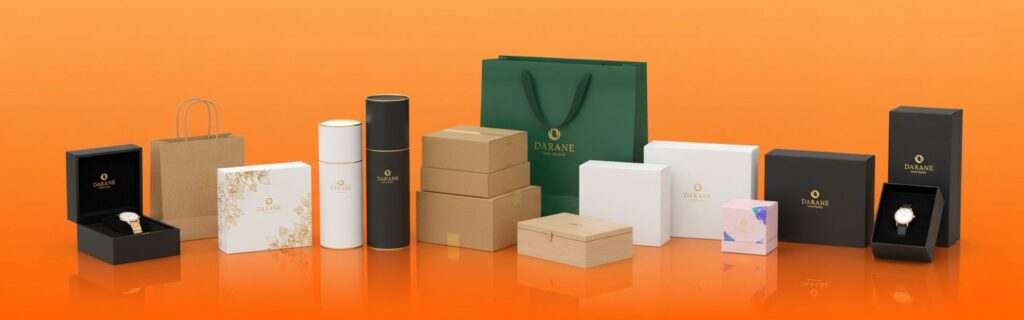
With most products, the packaging is what the customer sees first. A properly designed box or bag can catch the attention of the customer right on the spot and make it seem much more valuable, instilling trust. That is to say, good packaging does much more than protect an item; good packaging helps sell the product.
That means the customer has to find their way through a very busy market of similar-looking products. Each good product needs attractive packaging, and this guide is going to show how to design custom packaging that sells. Every step you take, from color selection down to the selection of materials, is really important in creating packaging that will actually connect with your customers.
Understanding Custom Packaging
What is custom packaging?
Well, packaging basically means the design of a box, a bag, or a container that would represent both a style and a message of a certain brand. It is tailored for this product and not some plain box right from the store shelf. It is designed in such a way that all the elements, from color to the placement of the logo, correspond to that very brand identity.
Why Custom Packaging Increases Sales
Besides setting customers in a great mood, custom packaging also shows that products are professional and trustworthy. A box looks special; hence, it tends to encourage people to open it and see what is inside. Emotional attachment to such packages creates repeated purchases, creating loyalty.
Step 1: Above all, know thy product and target audience
It’s important, before designing it, to know the product well and also the people who buy it.
Study the product
- Depending on size, shape, and weight, different types of boxes and materials are used.
- As already indicated, this chapter does not attempt to report on all the meetings or to list all participants.
- Fragile items require extra layers or inserts for protection.
- These will be food products and shall, therefore, require safe and environmentally friendly materials.
Overview
- Know your audience.
- The bright colors and playfulness of the design will appeal to young buyers.
- How will this be solved in the market? The design should be simple and elegant for the luxury product.
- It is actually the use of environmentally friendly packaging that attracts these ecologically aware customers.
- At first, there were four major ways of communication: letter, telephone, telegraph, and face-to-face conversation.
This is where design meets both product and customer needs for success, driving sales in the process.
Step 2: Establish a strong brand identity
Brand color and font application
Every brand has a story to be told, and colors, fonts, and patterns are all part of telling that story.
The aim would be to make sure that the quality does not change with location.
- Warm colors are the exciting colors, like red or orange.
- Directionality: Cool colors are those used for calming and are blue or green.
- The products look modern, and they use bold fonts.
- The soft fonts make the products either elegant or friendly.
- Consistency allows consumers to spot the brand even from a distance.
Add a Catchy Logo
The logo should be as clear and visible as possible since it is the sign of trust. A very small or hidden logo may pass unnoticed by a person, and an overtly large one would be out of proportion. Proper positioning creates a professional look for the logo on packaging.
Step 3: Unboxing Experience
In other words, a great unboxing moment creates loyal customers.
Make It Fun
The outer packaging should make an impact, while the inner packaging should make the opening operation fun and easy. You can add your personal touch, which can be in the form of things like tissue paper, stickers, and thank-you cards.
Add an element of surprise
These can be small presents, some samples, discount coupons, or just notes. All those make customers feel special, and more often than not, with that emotional connection comes social media sharing—free promotion.
Step 4: Choosing proper packing material
The appropriate choice enhances the look and the performance of the item.
- Paperboard Boxes: Light, easy to print; for cosmetics or snacks.
- Corrugated Boxes: Robust and suitable for the safe shipment of heavier products.
- Rigid Boxes: Those are boxes for perfume or jewelry luxury products – they need to look very luxurious.
- Kraft Paper: It is eco-friendly with that natural and earthy look, so suitable for any kind of organic or handmade product.
Proper material selection allows a company to maintain safety for the products and uphold the values of the brand.
Step 5: Use design features that will attract buyers
Color Psychology in Packaging
Colors do affect moods and buying responses.
- Red is exciting.
- Yellow calls attention.
- Colour attracts the attention of people.
- Green means freshness.
- Black gives elegance.
Proper blending of colour makes packaging more attractive; thus, it allows the product to stand out among all others on the shelf.
Typography and Readability
The text should be highly readable; large and clear fonts ensure that customers receive product information more quickly. Also, avoid too many different styles or complicated scripts.
Image and Graphic Usage
While simple illustrations or patterns make packaging catchier, good-quality photos of a product will help a buyer understand precisely what is inside without opening a box.
Step 6: Emphasize Significant Product Information
Trust comes with clear information: clients want to know what they are purchasing. Include the following:
- product name
- overview
- ingredients or materials used
- direction of use
- expiration or date of manufacture
- safety, or recycling symbols
Clearly, the more direct the information is, the less the misunderstanding; thus, customers can make a decision much faster.
Step 7: Design for Function and Convenience
It is difficult to open this pretty box, and it is just going to upset the consumers. Good packaging has to be pragmatic and at the same time easy to use.
Intuitive Construction
Satisfaction is heightened with easy-open-lid boxes and boxes that have resealable zippers.
Right Size
The Size of the packages shall not be too big or too small because big boxes mean wasted materials and shipping costs. Strong boxes prevent damage in transit and hence keep customers happy and reduce returns.
Step 8: Add Eco-Friendly Features
Eco-friendly packaging will attract the modern buyer. Most customers would rather buy from brands that take good care of the planet.
Eco-Friendly Materials
Use recycled paper, biodegradable plastics, or compostable alternatives.
Minimal Printing
This will save ink and reduce waste; print simply.
Reusable Packaging Design
Reusable or repurposed boxes. Additionally, it adds more value to the customers and can extend the time that a brand is promoted. Green packaging helps the environment at the same time as building a positive image.
Step 9: Technologically Enhanced Packaging
Modern designs of packaging connect customers with brands through smart features.
- QR Codes and NFC Tags: These may be linked to product information, videos, or discount offers.
- Augmented Reality or AR: The AR packaging lets the customers perceive the animations or even the hidden messages through certain mobile applications.
The addition of technological features makes packaging more interactive and memorable.
Step 10: Testing and Improvement of Design
Testing of the design prior to printing the final copy will be worth it.
- Visual Test: Observe how the packaging looks both on the shelves and in photos.
- Durability Test: All materials shall be kept strong while handling and delivering.
- Customer Feedback: Information from sampled buyers will be gathered on what’s working and what needs to change.
Improvement based on real feedback helps in creating packaging that really sells.
And design trends will keep changing. Packaging design keeps changing; following new trends keeps a brand fresh and current.
The trending styles include:
- Minimalist designs featuring clean lines
- Matte and soft-touch finishes
- Bold typography, and simple icons
- Eco-friendly packaging alternatives
Trendy packaging shows that a brand is creative and forward-looking.
Common mistakes in packaging design to avoid include:
- Overly crowded design due to too much text or ornamentation
- Not adhering to brand colors or fonts.
- Poor material usage.
- Poor placement of the logo.
- Difficulty in opening packaging.
- Not thinking about sustainability.
These are the common mistakes that, if avoided, will always keep the packaging simple, clear, and effective.
How Custom Packaging Helps Build Brand Loyalty
An attractive and well-done packaging leaves a long-lasting mark on consumers. Making each purchase special is very appealing; emotional attachment and trust, wherein buyers will turn into long-term supporters, will be created. Strong packaging design shows the quality and attention to detail. It is part of the storytelling that drives sales.
Conclusion: Turning Design into Sales
Good packaging sells more than products; it sells experiences. From colors to structure, every decision should express the brand and relate to the customer. With beautiful-looking and protective custom packaging telling a story, ordinary sales can turn into lasting success.
A great box or bag doesn’t just carry a product; it carries the brand promise. With care, creativity, and purpose in its design, it ensures that every customer remembers the product for a long period of time after they have opened the box.
Frequently Asked Questions (FAQs)
Q 1: How does custom packaging differ from regular packaging?
It is different from regular packaging, to which many products are accustomed, in that custom packaging is designed precisely for the product and brand. It reflects the identity of the product.
Q 2: How does good packaging increase sales?
Attractive packaging draws attention, builds trust, and makes a product look more valuable; thus, increasing the desire to buy more.
Q 3: What are the best materials for custom packaging?
Popular types include paperboard, corrugated cardboard, rigid boxes, and Kraft. Each of them serves for certain types of products and weights.
Q 4: Why are eco-friendly packaging materials so important?
Eco-friendly materials reduce waste and appeal to environmentally conscious buyers. Besides that, they create a positive image of the brand.
Q 5: How might technology improve packaging?
QR codes and AR features may share more information about the product in a fun and interactive way.
Q 6: What colors help with selling packaging?
It depends on the type of product. Attention-effective colors are red and yellow, while green and blue evoke calm and trust.
Q 7: How to make packaging stand out in a store?
Simple design, bright colors, readable text, and a strong logo will make packaging noticeable on the crowded shelves.
Q 8: What is the role of typography in packaging design?
Readable and stylish fonts make information not only clearly understandable but also reflect the tone and personality of the brand.
Q 9: How does packaging help in building brand loyalty?
Beautiful, high-end packaging makes people feel special and encourages them to make repeat purchases.
Q 10: The biggest mistake in packaging design?
It is overdesigning or using only low-quality material. Simple, clean, durable packaging will always pay off.