
How Reusable Packaging Builds Long-Term Brand Loyalty
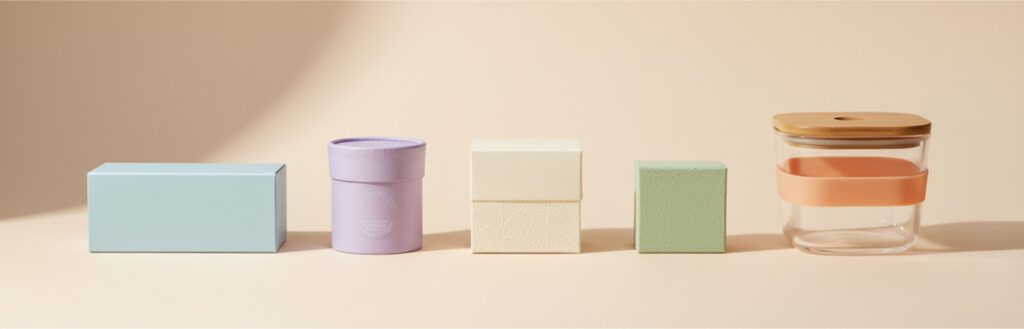
Reusable packaging has gained much significance for modern brands. Customers have now become conscious of the environment and sustainability. Reusing the packaging saves the planet and also builds a good image of a brand when customers trust the brand and feel happy with its choices, which leads to loyalty for the long haul. Such a simple way, yet so powerful, reusable packaging.
What is Reusable Packaging?
Reusable packaging is used more than once. This is designed to replace single-use packaging that generally enters landfills. Examples include glass jars, cloth bags, metal tins, and sturdy boxes. Packages can be returned, refilled, or repurposed.
1. Key characteristics of reusable packaging are:
• Durable and long-lasting materials
• Easy to clean or refill.
• Appealing design to promote reuse
• Environment-friendly, recyclable
Reusable packaging offers value beyond the product inside to customers. It is not just a package; it is part of the product experience.
Why Reusable Packaging Matters for Brands
Reusable packaging reduces waste. It means landfills receive fewer plastics, papers, and other non-biodegradable materials. A brand using green custom packaging is being responsible for the planet. Consumers like that.
1. Building Trust with the Customer
When consumers see an organization take concern for the environment, it instills confidence in them. Trust is that key component of long-term loyalty. Reusable packaging ascertains quality and thoughtfulness, considering societal impact.
2. Long-term cost-effectiveness
Though it may be more expensive to purchase reusable packaging, it is cheaper long-term. Reused packaging reduces demand for the continuous manufacturing of single-use packaging. Reusing customers may also return for refills from your brand, hence increasing sales.
Although it feels good to be accepted by others, eventually, people should be comfortable with themselves first.
Types of Reusable Packaging
These glass jars and bottles are strong yet relatively friendly to nature. They can store any sort of food, drink, or cosmetic product. This is the kind of product the customer can wash and keep on reusing at home. Brands can print logos or designs on it for better appeal.
1. Cloth and canvas bags
The cloth bags replace plastic shopping bags. They are durable and washable; thus, customers use them over and over again, spreading the visibility of the brand in public. By using eco-friendly cloth bags, one is showing he or she cares about the environment.
2. Tins and Metal Containers
Cosmetics, tea, or even snacks are usually packed in metal containers. These are very strong and could be reused; they are nice-looking, and durable tins suggest something of higher quality to customers.
3. Refillable Boxes
Durable, compartmented boxes can be returned to the household for reuse. This type of packaging can be designed for gift sets, electronics, or luxury products. Refillable boxes will keep customers coming for more.
How Reusable Packaging Boosts Brand Loyalty
It is said that the stronger the packaging, the more customers like it. Reusable packaging creates value from more than just the product. A positive experience helps them feel good about the brand.
1. Emotional Connection
Thus, they would feel responsible and proud for reusable packaging instead of having an emotional relationship. Their loyalty will be stronger; therefore, the brand will not be just a product but part of the lifestyle.
2. Engage heavily with the brand.
There is also repeated use possible in reusable packages, say refilling a jar or using it several times on and over. Each use brings the consumer to the brand, hence increasing brand recall.
3. Social Sharing and Word of Mouth
It is not unusual for customers to publish creative uses on social media sites. Exposure like this, free help, brings in new customers and is a way of building trust in a brand.
Strategies of Brands to Implement Reusable Packaging
It should be made of attractive and durable materials, and easily cleaned, such as glass jars, metal tins, and hard boxes. The design must consider practical reutilization and aesthetic appeal.
1. Offer incentives
Brands can give a discount or credit for each packaging returned or reused. Loyalty programs or refilling stations will have them coming back for more.
2. Educate customers
Clear instructions on reusing the packaging improve involvement. Labels may include either tips or creative ways of reusing them. Education increases brand loyalty.
3. Collaborate with Eco-Friendly Partners
Working with sustainable suppliers means the materials will be recyclable and of high quality. Brands that include reputable eco-friendly partners automatically earn credibility and trust.
Examples of Brands Using Reusable Packaging
Certain beverage brands use glass bottles that the customer is able to return in order to refill; other organic food brands provide jars and tins to make bulk purchases.
1. Beauty & Skincare Brands
These luxury cosmetic brands include refillable jars, tubes, and tins. This means that one will just refill his or her favorite product but not buy new packaging every time.
2. Fashion & Retail Brands
The core fashion retail trends involve shopping bags made of cloth and reusable boxes. Such bags are reused by consumers for daily shopping and promote the brand in every area.
Benefits of Reusable Packaging to Companies
More customers coming for refills or reuses translates to more sales. Reusable packaging ensures loyalty for repeat purchases.
1. Strong brand reputation
The customer who is ecologically conscious adores sustainable practices. A good reputation invites environmentally-conscious customers.
2. Competitive Advantage
A reusable pack becomes a promotional gadget wherein the more the customer uses it, the greater the brand visibility.
3. Long-term cost savings
Reusable packaging necessitates relatively higher costs initially, but it reduces the overall cost of production over time. It saves the expenses related to managing waste.
Common misconceptions of reusable packaging
Although more costly upfront, reusable packaging saves money over time. Returning customers for refills or reuse balances initial costs.
1. Customers Won’t be Reusing
Creative designs and incentives indeed encourage reusing. Education and engagement serve to increase the rates of reuse.
2. It does not affect loyalty.
Research has shown that sustainable packaging influences customer loyalty; people like taking care of the environment as much as the brands.
Improving Reusable Packaging: How It Can Be Done
Make packaging more interactive with the help of attractive colors and designs. Bright colors and patterns are a big plus. Catchy, eye-catching colors fill one with the urge to retain the packaging. Patterns such as floral, geometric, or elegant textures give style to packaging. When packaging looks good, customers show pride in reusing it. For example, a reusable glass jar with a colorful label is kept in the kitchen instead of being thrown away. Such designs make the brand memorable long after a purchase and lead to increased loyalty in the long run.
1. Clearly print the brand logo and instructions
Brand logos and instructions must be conspicuous, set out, and readable. The customer should instantly be able to recognize the brand. Clear instructions show how the reusing or refilling of the packaging can be done. For instance, on a cloth bag, one can print the washing instructions, while in the case of a jar, clear refill instructions can be provided. Clearer labels reduce confusion among customers and create a better likelihood of reusing the packaging. This simple step will also reinforce brand recall and trust.
These are but a few of the reinforcements that exist.
2. The packaging shall be sufficiently robust to be safely refilled
It should be strong and durable, not flimsy or fragile. A fragile one will break down or wear out in only a few uses, and they will not continue reusing it. Materials like glass, metal, and thick cardboard will have longer lives. It is related to safety in the case of food or skincare products. Durable packaging allows multiple uses of it and heightens its value towards the brand when it comes to customers’ views. A metal reusable tin for cookies or even skin cream, which is used for months, would remind one every time of the brand.
3. Offer small incentives for packaging return
These might include minor discounts on the next purchase, free refills, and loyalty points, all encouraging customers to return with reutilized packaging for further use. Besides encouraging reutilization, rewards will make customers feel valued and thereby hook them emotionally. For example, a coffee shop can give a discount on the return of a reusable coffee mug. Rewards programs simply create habits of reuse that improve brand loyalty.
4. Encourage Social Sharing with Hashtags or Contests
They also love to share creative ideas on social media. Brands can create hashtags or contests that inspire this; this might include challenging customers to show ways in which they reuse a reusable jar at home. Social sharing gives the brand wider visibility without cost. More than anything, though, the community of eco branding sensitive customers will feel proud to be part of it. The long-term visibility and enhanced trust of the brand are increased by this sharing on social sites.
These detailed tips really show that reusable packaging is not only great for the environment, but it is also a powerhouse when it comes to building customer relationships. Loyalty naturally arises as customers begin to find in the packaging value and beauty, practicality combined.
Reusable Packaging: The Future
In the future, reusable packaging is going to be way more important. The whole world is becoming increasingly aware of environmental issues and sustainability. The brands now adopting reusable packaging will be remembered later. New innovations are making the packaging more interesting, like biodegradable materials, smart refill stations, and interactive designs.
Conclusion
Reusable packaging is not a momentary trend; it speaks to the emotional state of the customer, building up brand trust to help create long-term brand loyalty. In such practical yet aesthetically appealing ecological solutions, brands can improve customer experiences, retain more customers, and win some serious marketing points. An investment in reusable packaging is basically an investment in the future of both your brand and the planet.
Frequently Asked Questions
Q1: What is Reusable Packaging?
Reusable packaging can be used more than once and is thereby distinguished from so-called one-way packaging.
Q2: How does it build brand loyalty?
This creates experiences, connections at the level of emotion, and frequency of interaction with the brand.
Q3: Is returnable packaging expensive for the firm?
Though it entails higher initial costs, it saves money in the long run and attracts loyal customers.
Q4: Is reusable packaging applicable to every kind of product?
Food, beverages, cosmetics, gifts-there are many other reusable kinds of packaging that are possible.
Q5: How can Brands Enable Reuse?
The brands can create reward opportunities, educate the customers about their products, and also provide them with attractive and durable packaging.