
Smart Packaging Solutions That Impress Modern Consumers
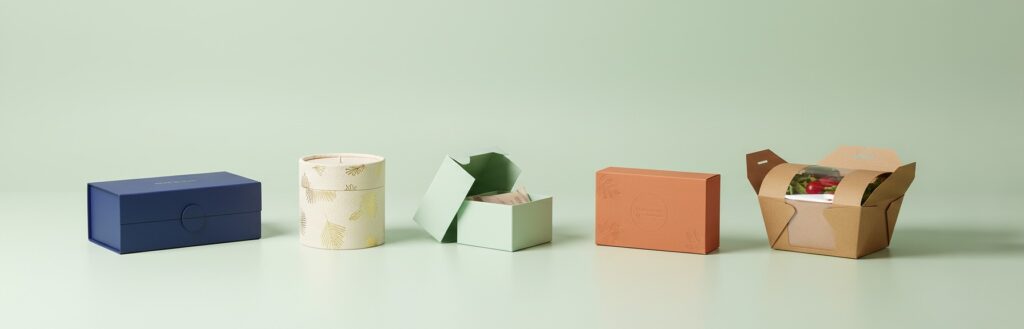
Smart packaging is a whole new frontier of how products look, work, and feel. The modern shopper is craving safety, ease, and value in ever-increasing measures, so brands are now focusing on better protection, clear information, fresh designs, and interaction through packaging. Smart packaging will build trust and give a strong reason for choosing one product over another.
Smart packaging also tends to strengthen brand image, too. Most businesses now use advanced tools, eco-materials, and digital ways of creating outstanding boxes that help them stay abreast of the fast pace in the market.
What is Smart Packaging?
Smart packaging is any box or bag that does more than hold a product. Smart packaging involves new materials, sensors, printing tricks, or digital codes that enhance product safety and freshness or improve the customer experience.
Most of the intelligent packaging has integrated freshness tracking, QR codes, NFC tags, strong protection layers, and the easy-open system. Smart packaging protects the product, thus engendering trust and adding value during daily use.
Why Smart Packaging Matters in 2025
Smart packaging includes added layers of security to prevent damage, protect fragile items, reduce waste, and make for a safer product to build brand confidence.
1. Quick Info
Modern shoppers seek quick answers. Clear labeling, QR codes, and printed guides make buying easy. Additional information builds trust and enhances the entire consumer experience.
2. Contemporary Outlook
The style of custom packaging matters: clean designs, bold colors, and smart layouts draw attention. A good design will increase the shelf impact and improve brand recall.
3. Eco Advantage
Eco-friendly is still at the top of the trend list. Materials that are recyclable, compostable, and reusable send a big statement. Eco options are what help brands grow and stay relevant.
Types of Smart Packaging Solutions
Intelligent packaging incorporates sensors or indicators that chemically change with a view to reflecting product changes like freshness, temperature, or damage. Such indicators change colour when a product expires or is no longer safe. These small labels show when a product has been kept at an incorrect temperature. Leak detectors provide a guarantee in food, cosmetic, and medicinal products.
1. Active Packaging
Active packaging offers protection to the product through interaction.
Packaging that Controls Moisture: Moisture control packets prevent dampness inside boxes.
Oxygen Absorbers: Oxygen absorbers extend the freshness of snacks, spices, and supplements.
Anti-microbial coatings: Special coatings inhibit bacterial growth.
2. Digital Packaging
Digital packaging can create a much better experience with the most modern tech tools.
QR Code Packaging: QR codes lead to clearly stated instructions, guides, promotions, and brand stories.
NFC-enabled Packaging: NFC packaging tags help verify the authenticity of a product.
AR Packaging: AR brings fun and interaction to the packaging with mobile animation or in 3D views.
Intelligent Packaging Materials
The use of sustainable materials reduces waste but is still protective of the product.
Kraft Board: Kraft is strong, natural, and recyclable, serving well for food, gifts, and beauty boxes.
Recyclable Paperboard: Paperboard is light in weight, inexpensive, and an excellent printing medium.
Plant-based plastics: Plant-based plastics minimize environmental damage.
High-Strength Materials
These materials add protection, especially for fragile items.
Corrugated Fiberboard: Strapping makes items safe during long delivery.
Rigid Board: Rigid board gives a premium feel. Often used for the packaging of luxury items, such as perfumes, watches, and jewelry.
Foam Inserts: The foam inserts keep the products stable inside the box.
Intelligent Printing Techniques for Better Packaging
Here are following intelligent printing techniques for better packaging.
Digital Printing: Digital printing gives sharp colors, fast turnaround, and a low price for small runs.
Offset Printing: Offset printing produces high-quality images and is effective for large orders.
Flexographic Printing: Flexographic printing is better suited for larger boxes or simple designs.
UV Printing: UV printing dries up quickly and gives a glossy finish.
Smart Packaging Features that Consumers are Loving These Days
Here are following smart packaging features that consumers are loving these days.
• Easy-Open Design
• Tamper-Proof Locks
• Reclosable Closures
• Minimalist Design
• Transparent Windows
• Multi-Purpose Packaging
• Smart Labels
Intelligent Packaging Trends for 2025
Here are following intelligent packaging trends for 2025.
• Sustainability First
• Minimal Designs
• Interactivity Packaging
• Anti-Counterfeit Technology
• Branded Packaging
• Smart delivery packaging
How Smart Packaging Helps Brands Grow
A good unboxing creates excitement. Many shoppers share videos of unboxing online.
More Trust and Transparency: Smart labels mean shoppers can trust the brand.
Higher product safety: Sensors and indicators protect products in storage and delivery.
Lower return rates: Better protection reduces product damage.
Stronger Market Position: Attractive boxes win more attention.
How Smart Packaging Improves Brand Identity
Smart packaging sends a message long before the product is touched: strong design shows quality, smart features show innovation, eco-materials show care, and technology shows trust and transparency.
Smart Packaging and Sustainability
• Less Material Waste
• Better Recycling
• Reusable Designs
• Compostable Solutions
Future of Smart Packaging
• More digital tools
• Stronger Eco Focus
• More Customized Boxes
• Smarter Delivery Protection
Conclusion
Smart packaging has become a major part of modern branding. It offers safety, beauty, and value by protecting products with strong materials, instantly informing with digital codes, supporting nature with eco-friendly materials, and developing premium feelings with clean designs.
Frequently Asked Questions – Smart Packaging
1. What makes packaging smart?
Smart packaging goes beyond traditional boxes and bags. It incorporates features like freshness indicators, QR codes, NFC tags, tamper-proof seals, and extra protection layers. These features improve product safety, provide instant information, and enhance the customer experience, making the packaging “intelligent.”
2. Why is eco-smart packaging popular?
Eco-smart packaging uses sustainable materials such as recycled paper, kraft board, and plant-based plastics. It reduces environmental impact, decreases waste, and helps brands appeal to eco-conscious consumers. Using eco-friendly materials also increases trust and improves the brand’s reputation.
3. How does smart packaging enhance branding?
Smart packaging strengthens branding by combining functionality with design. Clear labeling, interactive codes, premium materials, and reusable options communicate quality, innovation, and care. Each package becomes a silent ambassador, telling the brand story and building long-term customer loyalty.
4. Which sectors are using smart packaging?
Smart packaging is being adopted across multiple industries:
Food & Beverages: freshness indicators, leak-proof layers, and temperature-sensitive packaging.
Cosmetics & Skincare: tamper-proof seals, QR codes, and reusable boxes.
Electronics: shock-proof packaging, anti-static layers, and smart delivery boxes.
Fashion & Apparel: size guides, reusable packaging, and QR codes for product info.
Gifts & Luxury Items: foil stamping, magnetic closures, and custom die-cut designs.
5. Does smart packaging come with a big price tag?
Not necessarily. Many smart packaging solutions are cost-effective, especially when using digital printing, eco-friendly materials, and minimalist designs. Businesses can choose features based on their budget, balancing technology and cost.
6. What are freshness indicators and how do they work?
Freshness indicators are small visual markers on packaging that change color when the product is no longer fresh or safe. Commonly used in food and beverages, they help consumers know whether the product is still consumable, increasing trust and reducing waste.
7. How do QR codes and NFC tags benefit consumers?
QR codes and NFC tags provide instant access to product information, care instructions, brand stories, promotions, and authenticity verification. They create an interactive shopping experience and help consumers make informed purchase decisions.
8. Can smart packaging reduce product returns?
Yes. By providing better protection through high-strength materials, leak-proof layers, and shock-resistant inserts, smart packaging reduces damage during shipping and handling, resulting in fewer product returns and higher customer satisfaction.
9. How does smart packaging support sustainability?
Smart packaging often uses recyclable or compostable materials and reduces material waste through minimal designs. Reusable boxes and eco-friendly inks further lower environmental impact, aligning brands with green initiatives and consumer expectations.
10. What is the role of anti-counterfeit technology in smart packaging?
Anti-counterfeit technology, including NFC tags, serial codes, and digital watermarks, ensures product authenticity. This protects consumers from fake products and reinforces brand credibility, especially for luxury goods, pharmaceuticals, and electronics.
11. How can smart packaging improve the unboxing experience?
Smart packaging enhances unboxing through interactive elements, vibrant designs, premium materials, and surprise features like colored interiors or multi-layered packaging. A memorable unboxing experience encourages social sharing and strengthens emotional brand connection.
12. Are smart packaging solutions suitable for small businesses?
Absolutely. Small businesses can leverage digital printing, QR codes, and minimalistic eco-friendly designs to create professional and interactive packaging without high costs. Even a single batch can be personalized for customers.
13. What types of products benefit most from smart packaging?
Products that are fragile, perishable, high-value, or require clear instructions benefit the most. This includes food, beverages, cosmetics, electronics, gifts, and luxury items. Smart packaging adds both protection and value perception.
14. How does smart packaging help in marketing and promotions?
Smart packaging can integrate QR codes, AR experiences, and variable data printing to engage consumers. Limited-edition prints, personalized messages, and interactive features turn the package itself into a marketing tool, increasing engagement and repeat purchases.
15. Will smart packaging continue to evolve in the future?
Yes. Future trends include more digital interactivity, AR/VR packaging, AI-driven design personalization, stronger eco-friendly materials, and smarter delivery solutions. Brands adopting these innovations will stay competitive and cater to evolving consumer expectations.