
The Role of Packaging in Customer Buying Decisions
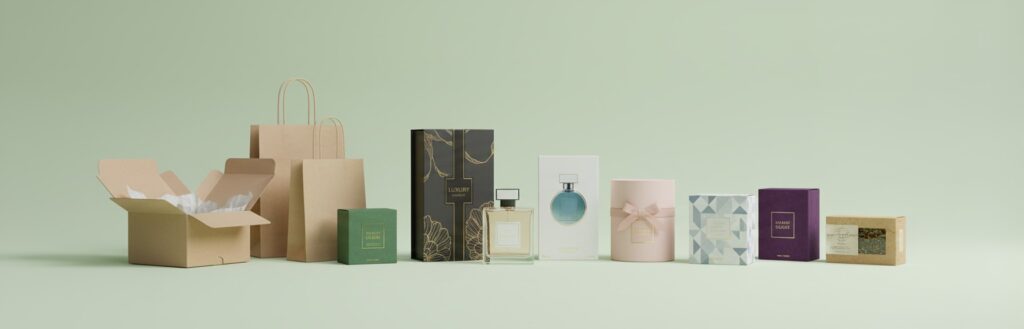
Packaging is huge in how customers decide on products. A lot of products are put on the shelves, but not all get the attention of the customer. Strong packaging can help products be outstanding, make them feel safe, and look worth the price. Good packaging will build trust and create an emotional link; thus, packaging can become a silent salesman. It speaks not by words but with the way it looks and feels.
Packaging also serves as a marketing tool. Colors, shapes, and messages guide buying choices. When the packaging looks clear and simple, customers are confident. When packaging looks messy or confusing, customers walk away. So packaging shapes the final buying decision.
The following article describes how packaging influences customer buying decisions, creates trust, and changes shopping behavior for both in-store and online.
Packaging in Today’s Market: Why It Matters
Modern shoppers have to make several choices. The shelves are always full of similar products. Brands compete for the attention of shoppers in split seconds. Packaging becomes the first touchpoint with any product. It becomes the first thing a consumer notices, even before the quality of the product.
Strong packaging also helps brands to create value. When packaging looks premium, the product feels premium. The opposite holds true as well: the duller the packaging looks, the more low-value the product feels. Therefore, packaging can create that first impression, leading to a sale.
Packaging as a Silent Sales Guide
Packaging sends signals, draws eyes to the product, gives information fast, hints at taste or smell or size or quality. A clear message does help shoppers understand what this product is all about.
Good packaging is not one that confuses buyers; rather, it shows clear text, simple icons, and a clean layout. These minor things help customers make decisions with confidence very fast.
How Packaging Influences First Impressions
The product has only a few seconds to impress. This very first moment decides everything: a customer will either look closer or ignore it.
Color Choices and Their Emotional Impact
Colors evoke emotions. Bright colors give energy. Soft colors create calm. Dark colors give a premium look. Each shade speaks differently.
For example:
• Red gives excitement.
• Blue gives trust.
• Green gives a natural touch.
Color psychology guides brands in their decisions. A color mix can make products pop out on the shelf. Colors that match the personality of the brand help customers connect better.
Font Styles and Readability
Fonts depict personality. Clean fonts give a modern feel. Cursive fonts give a soft touch. Bold fonts create power. Fonts must stay easy to read. Hard fonts confuse shoppers. When text looks clear, customers feel safe.
Short lines and simple words help customers grasp the message at a faster pace. Product names, ingredients, and benefits should stay visible with proper size and spacing.
Images and Graphics
Images attract eyes. A strong image may tell a full story. Food boxes show delicious food photos, cosmetic boxes show smooth textures or natural elements, and health products show clean, medical-style images.
Pictures allow customers to better visualize how the product works or feels. Good graphics may also make products appear updated and relevant.
How Packaging Affects Shopping Behaviour
Packaging does more than look good; it creates action, builds trust, develops desire, and reduces fear. All these will push customers to make the final purchase.
Packaging as a Trust Builder
Trust is a huge factor in purchasing. All customers want their products to be safe, clean, and original. Packaging develops that trust by:
• Clear labeling
• Safety seals
• Tamper-evident signs
• Freshness indicators
• Green icons
A robust, sealed box offers protection so that the product inside remains untouched and safe.
Packaging Quality and Perceived Value
If the packaging feels strong and premium, the product will feel valuable. A well-constructed box gives the feeling of being taken care of. A loosely constructed box makes one doubt. Smooth finishes, neat folds, and bright prints make the value of a product go up instantly.
Premium packaging helps customers feel that the product is worth paying more for. This nudges buying decisions in favor of the brand.
Convenience in Packaging
Convenience packaging makes life easy. Simple openings, resealable options, and lightweight designs are driving purchasing behavior decisions. Customers adore packaging that feels practical.
Convenience gives repeat sales, too. If packaging feels easy to handle, customers buy again.
The Role of Branding Through Packaging Design
Packaging is a carrier of brand identity. Colors, logos, shapes, and taglines—all speak to the personality of the brand. When packaging is consistent, customers remember it.
Branding on packaging helps customers locate the product both in physical stores and through online searches. A strong design strategy builds brand loyalty, or confidence in the next products of the same brand.
Visual Consistency
Consistency in design for all products builds recognition. When customers start seeing the same color theme, the same style of logo, and the same style in shapes across a product line, then that brand becomes easily recognized.
This sense of familiarity builds comfort and trust. Strong branding shortens the buying time.
Packaging Shape and Structure
Shapes matter: a unique shape catches attention, a classic shape gives comfort, and a sleek shape gives a modern feel. Structural design can solve problems, too: an air-tight, leak-proof, crush-resistant design improves product safety and customer trust.
Shapes can also influence how premium a product feels. A tall box feels elegant. A wide box feels stable. A tube feels trendy.
The Role of Packaging in In-Store Buying Decisions
Physical store shopping relies a lot on packaging. Customers can touch the product, see it closely, and compare side-by-side. Packaging often becomes the deciding factor.
1. Shelf Appeal
Shelf appeal is what determines which product gets picked first. Bright colors, clean design with unique shapes will help a product pop. Products with clear labels enable customers to understand the benefits fast.
Superior shelf appeal leads to greater sales with no necessity for further advertising.
2. Packaging Placement and Visibility
Products placed at eye level tend to be seen more readily, but even lower or higher products could stick out with strong packaging. Large fonts, bright hues, and smart layout improve visibility from a distance.
Packaging must be attractive on all sides. The side panels, top flaps, and bottom text count too.
How Packaging Contributes to Consumer Decisions for Online Shopping
Online shopping is a highly visual concept. Consumers do not have the opportunity to physically touch the product. They completely rely on the images of the products and packaging photos. So, the packaging has to be engaging even in digital form.
1. Unique Presentation of Products
High-quality packaging photos are very important for creating trust in online stores. Clean angles, simple backgrounds, and close-ups help customers understand their products. A clear view reduces returns, improving satisfaction.
Good packaging helps brands achieve consistency even across online platforms, like marketplaces and websites.
2. Unboxing Experience
Unboxing has turned into a trend. Consumers adore fun unboxing. Smooth openings, strong quality of the box, and a layered design create excitement. This positive emotional moment pushes many customers to share videos on social media.
Better unboxing can increase repeat purchases.
3. Protective Packaging in Shipping
Online orders have to travel a long way. Packaging should protect the product. Crush-resistant mailer boxes, bubble inserts, kraft paper fillers, and tight folding help protect the product during delivery.
Safe packaging prevents breakage and reduces return rates.
4. Eco-Friendly Packaging and Buying Decisions
Eco-friendly packaging also plays a great role today: many customers care about the environment. Packaging featuring recycling icons, compostable materials, and low-waste design increases trust.
Branding improvement in sustainability can also take place in packaging. Kraft boxes, paper wraps, and soy-based inks give off a natural, eco-safe feel that makes customers proud of their purchase.
5. Minimum Packaging Design
The minimal design reduces waste. Simple lines, fewer colors, and clean layouts help keep products modern. It also helps customers focus on the product benefits rather than extra visuals.
6. Eco-Friendly Labels and Certifications
Recycling icons, FSC labels, and biodegradable signs build trust. These labels indicate the brand cares about the environment. This small detail is influential in buying decisions, especially among young shoppers.
The Power of Packaging Storytelling
Packaging can tell a story. A small message, a short tagline, or a creative design can make this product feel special. Storytelling also helps keep the product differentiated from the competition.
Products having a story behind them build emotional connection. This emotional pull increases the chance of purchase.
1. Brand Story Messages
A small message can be printed on the box regarding the purpose, values, or mission. This develops bonding. Customers relate to the idea associated with the product.
2. Visual Storytelling
Images, patterns, and icons could tell cultural or natural stories. Visual storytelling creates meaning and makes the product memorable.
Packaging Innovation and Customer Buying Attraction
New trends make the product appear current; innovative packaging catches the eye without large advertisements.
1. Smart Custom Packaging Features
Engagement is created with smart features like QR codes, freshness windows, temperature indicators, and NFC tags. QR codes lead customers to videos, instructions, or brand stories, building trust and education.
2. Special Finishes
Finishes like matte coating, gloss coating, foil stamping, embossing, UV spot coating, and texture printing add a premium look to your boxes. These finishes enhance touch and feel and increase shelf appeal.
Special finishes help differentiate packaging with a modern and luxurious appearance.
Packaging Drives Final Purchase Decisions
Packaging is the final factor at the time of purchase. Even if the product remains strong, poor packaging can stall a sale. Good packaging completes the buying journey, reassuring customers about safety, quality, and value.
A strong box, a clear message, and a simple layout lead to fast purchases.
1. Transparent Advantage and Truthful Labeling
Customers want transparency. Clear labeling builds trust; they must understand the benefits in simple words using correct information to make confident choices.
Overly engineered and confusing labeling alienates clients.
2. Product Category Expectations
Each product category has design expectations: food packaging should look fresh, cosmetic packaging should look clean and soft, and electronics packaging should stay solid and sleek.
When packaging matches the category vibe, customers are more comfortable buying.
Conclusion
The powerful role of packaging in the buying decision includes creating first impressions, building trust, creating perceived value, guiding emotions, and protecting the product. Convenience, branding support, and prompting additional online and in-store purchases all happen via packaging. Strong packaging becomes a silent voice that reinforces the product across the board.
Good packaging breeds confidence. It increases sales, elevates unboxing, and fosters long-term loyalty. Packaging continues to be one of the prime drivers of customer purchase decisions, from considerate design and lucid messaging through environmentally friendly materials to innovative features in packaging.
FAQs
Q1: How does colour affect purchase decisions?
Color evokes emotion. Each color speaks volumes. Bright or soft, they make the products pop and drive decisions.
Q2: Why is packaging important in online shopping?
E-commerce customers are visual customers. Crystal clear packaging photography builds trust and reduces returns.
Q3: How does eco-friendly packaging affect decision-making?
Eco-friendly materials show care for the environment. This adds to trust and brand value.
Q4: What gives a premium appearance to packaging?
Special finishes, clean lines, strong structure, and neat printing give a premium feel.
Q5: Does packaging shape brand identity?
Yes, packaging carries colors, logos, shapes, and stories that create brand recognition.