
7 Cosmetic Packaging Innovations That Win Eco-Conscious Shoppers
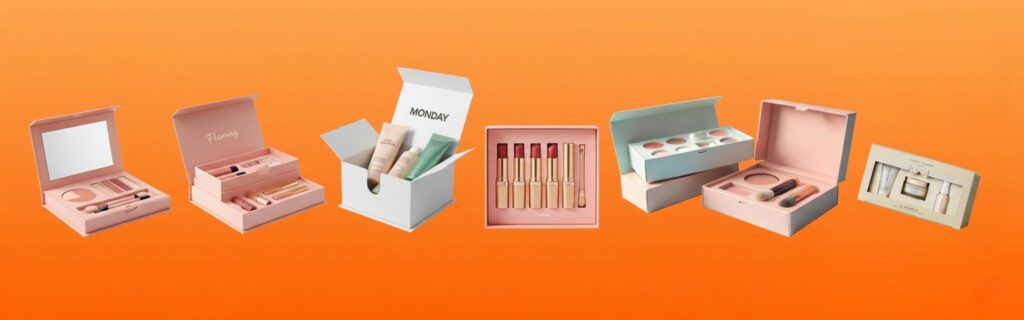
The beauty world is changing fast. Not only are people concerned with what something is appearing to be, but also how it is made, packaged, and ultimately disposed of. Green consumers require packaging that will save the planet.
Brands that use green packaging win trust and love from modern customers. They also show that beauty can be both stylish and sustainable. Cosmetic packaging innovations are now leading this change with smart, creative, and eco-friendly ideas.
In this article, we’ll explore seven cosmetic packaging innovations that impress eco-conscious shoppers. You’ll also learn how these trends can help your brand grow, save costs, and earn customer loyalty.
1. Refillable Cosmetic Packaging
Why Refillable Designs Matter
Refill packaging is the biggest eco-friendly beauty trend. Instead of throwing away the whole pot, the consumers simply fill it up again. That is waste reduction and stimulation of reuse.
Refill packaging has become standard for foundation, lipsticks, serums, and creams. Established big beauty houses like Dior, Fenty, and L’Oréal already have a refill system in place.
How It Helps the World
Refill systems reduce plastic use and carbon footprints. It uses less raw material. If the packaging is recycled by customers, then the brands reduce packaging waste overall.
How Brands Can Leverage It
Start with refill pouches, which are convenient, or miniature glass jars. Refill must be sanitary and convenient. Convenience refill regains customers’ trust.
2. Biodegradable and Compostable Packaging
What They Are
Biodegradable packaging will break down in nature without harming it whatsoever. Compostable ones are even nicer than that— họ become natural compost.
They are all beauty companies that are now using sugarcane, bamboo, cornstarch, or paper pulp as packaging material. They are light, but durable, and eco-friendly.
Why It Is A Hit With Eco-Shoppers
Environmentalists adore products that leave no trace behind. Biodegradable packaging is less wasteful and more eco-friendly for the landfill. It shows your business cares about the world to bits.
How Brands Can Do It
Use biodegradable tubes for creams, compostable soap trays, and plant-based scrub jars. Put “100% compostable” or “natural material” in large font. It carries an instant sense of authenticity with it.
3. Recycled Plastic Packaging
The Power of Recycled Plastic
PCR plastic or recycled plastic is an excellent means for brands to use plastic power without requiring raw material.
Environmental Benefits
There is reduced usage of new plastic with PCR plastic. It is an energy and oil user, and a greenhouse gas emitter saver.
How It Persuades Green Consumers
Green consumers will be seeking labels. Touted as “made of 100% recycled plastic,” they can purchase your product confidently. It is a message of responsibility and accountability.
Brand Example
Both The Body Shop and REN Clean Skincare sell with 100% recycled bottles. They show that sustainable doesn’t have to be expensive.
4. Paper-Based and Cardboard Packaging
The Paper Revolution
Paper and card are utilized most in packaging for cosmetic products. They are recyclable, lightweight, and easy to make.
How It Helps the Environment
Paper packaging has less opportunity to add to plastic waste. It is biodegradable and largely made of recycled paper. It’s a smart option for companies that care about clean custom packaging.
Creative Ideas
You could use cardboard the thickness of small case boxes, or paper tubes for lip balms. Paper sleeves offer the quality and natural appearance, too. Some make use of FSC-certified paper to help promote environmentally friendly woodland management.
Appeal to the Customer
Green consumers prefer clean and recyclable packaging. Paper packaging also offers the homemade and natural look and feel that resonates with the customers’ emotional values.
5. Lean and Lightweight Packaging
Less Is More
Minimalist packaging does more with less without sacrificing aesthetics. It also reduces waste, shipping weight, and expense.
Thin, pure presentations are the brand’s best friend now—frosted glass bottle, plain kraft box, or black-and-white printed tube.
Eco Benefits
Light packages reduce transportation greenhouse emissions. It also saves material usage. One gram saved makes a difference.
Design Impact
Low-key packaging will appeal to environmentally friendly consumers who love minimalism and greenness. They believe that less is more as the representation of minimalism and innovativeness.
Brand Tip
Remove unnecessary layers of packs and inflated boxes. Functional, but unflashy. Simple logo, earthy color palette, and a clean tagline can be as luxurious.
6. Smart and Digital Packaging
What Is Smart Packaging?
Smart packaging is an integration of nature and technology. The companies employ QR codes, NFC tags, or electronic labels instead of paper booklets or plastic cards.
People surf over labels online to view product information, ingredients, or recycling tips. It saves paper and ink.
Why Eco-Shoppers Prefer It
Green shoppers value openness. Online packaging allows them to access information on sourcing, non-cruel product testing, and eco-friendliness certification at their fingertips. Paperless branding is also enabled by electronic packaging.
Brand Example
Leverage the use of QR codes on the packaging by Yves Rocher and Lush. It is a clean, eco-friendly way of reaching the brand for the customer.
How to Use It
Put a mini QR code on the back of your box. Drive users to your site or green commitment page. The virtual link drives traffic without requiring extra resources.
7. Multi-Use and Upcyclable Packaging
The Concept
Multi-functional or upcycled packaging is where the package itself can be utilized for another purpose. It turns regular boxes or jars into special trinkets.
Examples
Jars for perfume are turned into flower vases. Jars used for skincare are turned into accessory cases or jewelry cases. Candle jars for specific brands are turned into tumblers.
Why It Remains Applicable to the Green Consumer
Green consumers love innovative reuse. It is smart, and it is social. They do not want to get rid of great packaging—no, they want to recycle it.
Brand Inspiration
Aesop and Lush are two of these brands that design packaging that gets people cool weeks, even when they no longer want it. It puts their brand into the hands of their customer for an extremely long duration.
Making Upcycling True
Include a tiny note or printed booklet with plenty of ideas on reuse. For instance: “Reuse this jar as a storage pot!” It makes customers green.
The Business Benefits of Green Cosmetic Packaging
1. Creates Credibility for the Brand
If your business employs the utilization of green materials, then you are a credible and trustworthy company in the minds of the customers. Such trust puts the consumers on a word-of-mouth and loyalty track.
2. Enhances Market Penetration
Shoppers are increasingly buying green products. Green packaging enables you to tap into this expanding pool of consumers.
3. SAVES LONG-TERM COSTS
Even though their up-front cost is slightly more, they repay their investment in the end. Light-weighting and refilling reduce shipping and manufacturing costs.
4. Enhances Brand Image
Green packaging gives your brand a new and hip image. It demonstrates that your company is concerned with the world’s health and problems like pollution and global warming.
Trends Building a New Cosmetic Packaging Future
- Waterless products – plastic bottle usage diminished.
- Mono-material packaging – easy recyclability for a single packaging material.
- Plant-based inks – chemical-free, safer prints.
- Transparent supply chains – consumers’ online monitoring of materials.
- 3D-printed packaging – enables custom shapes with reduced wastage.
These trends will only grow stronger as beauty companies compete to balance style, safety, and sustainability.
How to Make Your Cosmetic Packaging More Sustainable
Use a refillable or recyclable material.
Avoid composite materials that are hard to recycle.
Print using soy or water-based ink.
Thin plastic wrap films and coatings.
Label easy recyclability or disposal information.
Buy from renewable energy-powered suppliers.
Small is big.
Conclusion
The beauty industry is being shaken up by savvy consumers. They want beauty products that not only keep their skin healthy but also the planet.
Those solutions that are making sustainability cool include refillable packaging, biodegradable materials, and smart digital labels. These are the kinds of ideas that set brands apart and are actual.
Green package cosmetics are not a fad—a tip of the iceberg. By embracing the green beauty in packaging today, your company will shine brighter tomorrow and usher in green consumers.
FAQs On Cosmetic Packaging Innovations
Q 1. Why do cosmetics require sustainable packaging?
It saves resources, wastes less, and lets your customers know your company cares about the earth.
Q 2. What are the best materials for eco packaging?
Paper, glass, bamboo, sugarcane, and recycled plastic.
Q 3. Is eco-packaging expensive?
Yes, at times, but valuable in the long term with reuse and less transport.
Q 4. Can luxury brands become green?
Yes. Luxury brands already possess upmarket, refillable, and recyclable design.
Q 5. How do I make my cosmetic packaging sexy and green?
Clean lines, earth tones, and beautiful shapes. Eco design is not cheap.
Q 6. How can I make my cosmetic packaging biodegradable?
Use materials like cornstarch, mushroom packaging, or compostable paperboard that naturally break down without harming the environment.
Q 7. Are eco-friendly cosmetic containers durable enough for long-term use?
Yes, modern sustainable materials like bamboo and recycled glass are sturdy, water-resistant, and ideal for daily cosmetic use.
Q 8. How can I educate customers about my green packaging efforts?
Print eco messages such as “100% recyclable” or “Refill and Reuse” on your packaging, and share sustainability tips on social media or your website.
Q 9. Can eco-friendly packaging still look premium?
Absolutely. With matte finishes, metallic inks, and minimalist designs, green packaging can look elegant and luxurious without harming the planet.
Q 10. What trends define eco-friendly cosmetic packaging in 2026?
Refillable containers, biodegradable wraps, minimalist design, and carbon-neutral production are the leading trends shaping the future of sustainable beauty packaging.