
Zero-Waste Eco Packaging Ideas Customers Will Love
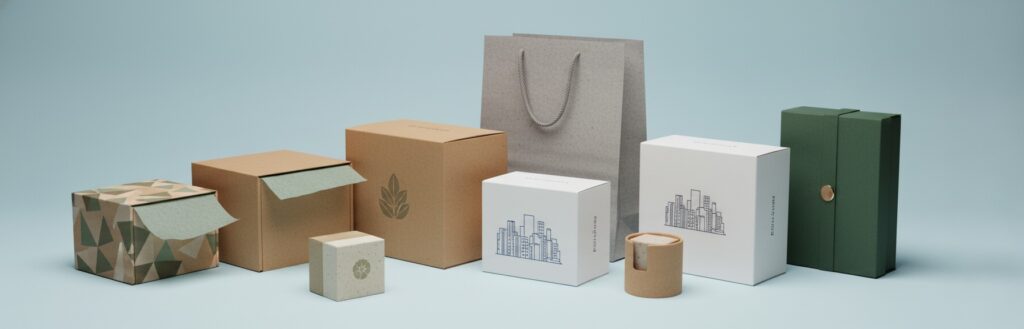
Zero-waste packaging is becoming very popular. Brands focus on sustainability and eco-friendly solutions. Packaging that does not harm the environment attracts more customers and builds trust. This article explains zero-waste eco packaging ideas that look great and are safe for nature.
What is Zero-Waste Eco Packaging?
Zero-waste packaging means no waste goes to landfills or oceans. All materials used can be recycled, reused, or composted. It reduces pollution and saves natural resources. Zero-waste packaging also improves brand image and attracts environmentally aware customers.
Key points:
• Packaging materials are recyclable or biodegradable.
• Designs focus on reducing unnecessary material.
• Reusable packaging is highly preferred.
Why Customers Love Zero-Waste Packaging
Customers notice eco-friendly packaging. It shows care for the planet and creates a positive shopping experience. Zero-waste branding packaging gives customers value beyond the product itself.
1 Reasons customers prefer zero-waste packaging:
1. Eco-Friendly Materials: Paper, cardboard, and plant-based plastics are safe for nature.
2. Reusable Designs: Boxes, jars, and bags that can be used again save money for customers.
3. Creative Looks: Beautiful and thoughtful packaging leaves a memorable impression.
4. Brand Trust: Sustainable packaging makes customers trust the brand more.
Materials for Zero-Waste Custom Packaging
Choosing the right material is the first step in zero-waste packaging. Eco-friendly materials must be safe for the environment and durable for shipping.
1 Kraft Paper and Cardboard
Kraft paper and cardboard are biodegradable and recyclable. They are strong, affordable, and easy to print on.
1.1 Ideas:
• Kraft mailer boxes with custom stamps
• Kraft folding cartons for small items
• Corrugated boxes for fragile products
2 Plant-Based Plastics
Bioplastics made from corn, sugarcane, or potato starch are biodegradable. They replace traditional plastics in packaging.
2.1 Ideas:
• Biodegradable clear window on soap boxes
• Plant-based food packaging
• Compostable wrapping films
3 Glass Jars and Bottles
Glass is reusable and recyclable. Customers can refill jars or reuse bottles at home.
3.1 Ideas:
• Cosmetic creams in reusable jars
• Honey or syrup in glass bottles
• Spice containers with wooden lids
4 Fabric Bags
Cotton, jute, or hemp bags are strong and reusable. They are perfect for gift packaging and product delivery.
4.1 Ideas:
• Small fabric pouches for jewelry
• Tote bags for clothing brands
• Reusable snack or produce bags
Design Tips for Zero-Waste Packaging
Zero-waste packaging should look attractive and be functional. Design decisions affect customer perception and product safety.
1 Minimalist Designs:
Minimalism reduces ink, paper, and other materials. Simple designs with a clean logo or brand message are very effective.
2 Reusable Packaging Design:
Packaging that can be used again creates customer loyalty. Examples include jars, boxes, and bags with multiple uses.
3 Modular and Stackable Packaging:
Stackable designs reduce shipping space and materials. Modular packaging allows brands to use the same box for different products.
4 Custom Printing:
Eco-friendly printing techniques like soy ink or water-based ink reduce chemical use. Printing must avoid excess ink and keep the design simple.
Zero-Waste Packaging Ideas for Different Products
Different products need different packaging solutions. Zero-waste eco packaging must protect the product while staying eco-friendly.
1 Food Products
Food packaging needs safety and freshness. Biodegradable materials work best for food items.
• Paper wrap for sandwiches
• Compostable takeout containers
• Glass jars for sauces and jams
2 Cosmetics and Skincare
Beauty products often use jars, tubes, and boxes. Reusable and recyclable packaging works best.
• Glass cream jars with bamboo lids
• Kraft boxes for soap and bath bombs
• Refillable lotion bottles
3 Clothing and Accessories
Clothing packaging can be stylish and sustainable. Fabric bags and recyclable boxes are preferred.
• Reusable fabric bags for shoes
• Kraft boxes for small accessories
• Tissue paper made from recycled materials
4 Electronics and Fragile Items
Protective packaging can be zero-waste too. Materials like molded pulp and recycled cardboard are effective.
• Molded pulp trays for gadgets
• Corrugated cardboard with cushioning inserts
• Minimal tape usage with strong folding designs
Innovative Zero-Waste Packaging Ideas
Innovation attracts customers and reduces waste. Brands can create memorable packaging with simple eco-friendly solutions.
1 Seed-Embedded Packaging
Packaging made from paper with seeds inside can be planted after use. It grows flowers, herbs, or small plants.
1.1 Benefits:
• Fun for customers
• Fully biodegradable
• Shows brand care for nature
2 Compostable Bubble Wrap
Traditional bubble wrap harms the environment. Compostable bubble wrap made from starch or paper protects products and reduces waste.
3 Take-Back and Refill Programs
Brands can encourage customers to return packaging for reuse. This reduces production waste and builds loyalty.
• Return jars for refills
• Reusable pouches for snacks
• Reward programs for returned packaging
4 Edible Packaging
Some products can use edible packaging for food items, e.g., sugar-based wrappers or chocolate shells.
4.1 Benefits:
• Zero waste
• Fun and innovative
• Attracts eco-conscious customers
How to Market Zero-Waste Packaging
Zero-waste packaging is also a marketing tool. It helps brands attract eco-friendly customers.
1 Highlight Sustainability:
Clearly show customers that packaging is eco-friendly. Labels like “100% recyclable” or “biodegradable” build trust.
2 Show Reusability:
Explain how customers can reuse jars, boxes, or bags. Demonstrations or social media posts can inspire reuse.
3 Create Unique Designs:
Unique designs make packaging shareable on social media. Beautiful eco-friendly packaging creates word-of-mouth marketing.
4 Offer Incentives:
Discounts for returning packaging or using reusable bags encourage sustainable habits.
Benefits of Zero-Waste Packaging for Brands
Zero-waste packaging is not just good for the environment. It also brings many advantages to brands.
1 Cost-Effective in the Long-Term
Switching to reusable or recyclable packaging may cost more initially, but over time, it saves money. Using materials that customers can reuse reduces the need to produce new packaging constantly. Less material waste also lowers disposal costs.
2 Key points:
• Durable materials reduce replacement costs
• Reusable packaging lowers manufacturing needs
• Less waste disposal reduces operational expenses
3 Stronger Customer Loyalty
Customers notice brands that care about the environment. Zero-waste packaging sends a clear message that the brand values sustainability.
4 Examples of loyalty-building ideas:
• Refillable jars for cosmetics
• Reusable fabric bags for products
• Compostable boxes that can be planted with seeds
5 Better Brand Image
Eco-friendly packaging improves brand reputation. Brands that show responsibility for the environment are trusted more.
6 How packaging strengthens brand image:
• Use recyclable or biodegradable materials
• Highlight eco-friendly features on labels
• Create attractive, minimalistic designs to reflect care for nature
7 Lower Environmental Impact
Zero-waste packaging reduces pollution and saves natural resources. Efficient supply chains with minimal material use lower carbon emissions.
8 Key environmental benefits:
• Reduced landfill waste
• Lower energy use in production
• Reduced pollution from plastics and chemicals
Common Mistakes to Avoid in Zero-Waste Packaging
Even eco-friendly packaging can fail if mistakes occur.
1 Over-Packaging
Too many layers or extra materials increase waste.
2 Tips to avoid over-packaging:
• Use boxes that fit products properly
• Avoid extra fillers unless needed for fragile items
• Focus on smart design instead of extra material
3 Non-Recyclable Materials
Avoid materials that look eco-friendly but cannot be recycled or composted.
4 Examples to avoid:
• Traditional plastic films
• Laminated papers that cannot break down
• Non-compostable inks or coatings
5 Poor Design
Packaging must protect the product. Weak packaging can break during shipping, causing loss and unhappy customers.
6 Tips for strong design:
• Use corrugated cardboard or molded pulp for fragile items
• Choose packaging that supports stacking during shipping
• Test designs for durability before mass production
7 Excessive Ink or Labels
Too many colors, chemical inks, or extra labels increase waste.
8 Best practices:
• Use water-based or soy-based inks
• Print only essential information
• Keep designs simple and elegant
How to Choose the Right Zero-Waste Packaging Supplier
A good supplier ensures eco-friendly materials and high-quality packaging.
1 Check Material Certifications
Ensure materials are certified recyclable, biodegradable, or compostable.
2 Look for:
• FSC certification of paper and cardboard
• Logos for biodegradable or compostable
• Plant-based plastic certifications
3 Request Samples
Test for durability, leak prevention, and print quality.
4 Verify Sustainable Printing Options
Confirm use of sustainable inks and minimal printing. Water-based and soy inks are ideal.
5 Flexible Order Sizes
Suppliers allowing small and large orders help test products and save costs.
6 Benefits of flexible orders:
• Reduce inventory risk with small batches
• Save costs with bulk orders
• Adapt easily to product changes
Conclusion
Zero-waste custom packaging is not just a trend; it is the future. Brands using eco-friendly materials, reusable designs, and creative ideas attract loyal customers. Sustainable packaging reduces environmental impact, strengthens brand reputation, and enhances customer satisfaction.
Zero-Waste Custom Packaging: Frequently Asked Questions
Q 1: For zero-waste packaging, what’s the best material?
A: Kraft paper, cardboard, glass, and plant-based bioplastics.
Q 2: Can zero-waste packaging be stylish?
A: Yes, minimalist designs, reusable boxes, and creative prints make packaging attractive.
Q 3: How can customers reuse packaging?
A: Jars, boxes, and fabric bags may be used for storage, gifting, or refills.
Q 4: Is zero-waste packaging expensive?
A: Initial cost may be higher, but long-term savings and customer loyalty reduce costs.
Q 5: Are all biodegradable materials safe for food?
A: Only materials certified for food contact, like certain papers and bioplastics.
Q 6: How does zero-waste packaging help the environment?
A: It reduces landfill waste, lowers carbon emissions, and decreases pollution from plastics and chemicals.
Q 7: Can zero-waste packaging be used for fragile items?
A: Yes, materials like molded pulp, corrugated cardboard, and compostable cushioning protect fragile products effectively.
Q 8: Are zero-waste packaging materials durable enough for shipping?
A: Yes, properly designed recyclable, biodegradable, or reusable materials can withstand shipping while protecting the product.