
How to Choose the Right Eco-Friendly Packaging Materials
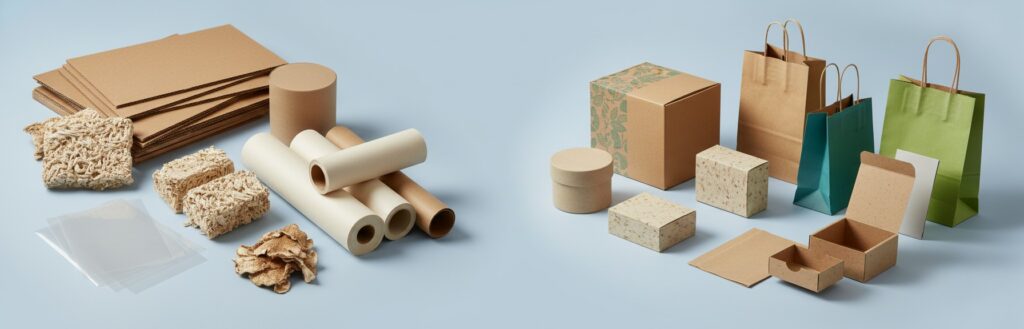
Eco-friendly packaging is a smart choice for modern businesses. It helps the environment, reduces waste, and builds a strong brand image. Choosing the right materials for eco-friendly packaging is important. The correct choice ensures products stay safe, customers feel happy, and the brand becomes trustworthy.
What is Eco-Friendly Packaging?
Eco packaging uses materials that are safe for the environment. These materials reduce pollution and waste. Unlike traditional packaging, eco-friendly options do not harm nature. Many eco-friendly materials are biodegradable, recyclable, or reusable.
• Biodegradable materials break down naturally in soil or water.
• Recyclable materials can be processed and used again.
• Reusable materials can be used multiple times.
Using eco packaging shows that a brand cares about the planet and sustainability.
Why Eco Packaging Matters
Eco packaging has many benefits. Choosing the right materials is not only good for nature but also for the brand.
1 Protects the Environment
Eco packaging reduces the use of plastics and harmful chemicals. Less pollution means cleaner land, water, and air.
2 Improves Brand Reputation
Customers notice sustainable packaging. Brands that use eco-friendly materials become popular and trusted.
3 Reduces Costs in the Long Run
Some eco-friendly materials are cost-effective. Reusable and recyclable materials lower production and disposal costs.
4 Meets Legal Standards
Many countries now have rules for reducing plastic waste. Eco packaging ensures compliance with these laws.
Factors to Consider When Choosing Eco Packaging Materials
Selecting the right packaging material requires careful thought. Different products need different materials. Some factors are very important for choosing the best option.
1 Type of Product
The nature of the product determines the packaging material. Fragile products need strong protection. Food products need safe and non-toxic materials.
2 Durability
Materials must keep the product safe during storage and transport. Biodegradable does not mean weak. Some biodegradable materials are very strong.
3 Cost
Eco-friendly materials vary in price. Balance cost and quality. Low-cost options may be less durable. High-quality materials ensure product safety and customer satisfaction.
4 Environmental Impact
Check the environmental effect of materials. Biodegradable and recyclable materials are preferred. Materials with high carbon footprint should be avoided.
5 Brand Image
Packaging should match the brand’s style. Natural textures, colors, and finishes can improve customer perception.
Common Types of Eco Packaging Materials
Several eco-friendly materials are available in the market. Each material has unique benefits. Choosing the right one depends on product type and purpose.
1 Kraft Paper
Kraft paper is strong and fully recyclable. It is ideal for boxes, bags, and wraps. Brands can print logos and designs on kraft paper easily.
2 Corrugated Cardboard
Corrugated cardboard is durable and biodegradable. It is suitable for shipping and protecting fragile items. Cardboard can be recycled multiple times.
3 Biodegradable Plastics
Biodegradable plastics are made from plants like corn or sugarcane. They decompose quickly and are safer than traditional plastics.
4 Glass
Glass is reusable and recyclable. It is perfect for jars, bottles, and cosmetic containers. Glass is heavier but eco-friendly and premium.
5 Aluminum
Aluminum is lightweight, strong, and recyclable. It can be reused many times. Aluminum packaging works well for beverages, food, and cosmetics.
6 Plant-Based Materials
Materials like bamboo, sugarcane bagasse, and wheat straw are fully natural. They are biodegradable, sustainable, and safe for food products.
7 Fabric Bags
Reusable fabric bags are great for gifts, clothing, and retail. Cotton or jute bags can replace single-use plastic bags.
How to Match Packaging Material with Product Type
Different products need different eco packaging solutions.
1 Food Products
Food needs safe and non-toxic packaging. Paper, cardboard, plant-based plastics, and glass are suitable. Packaging must prevent contamination.
2 Fragile Products
Glass, cardboard, or molded pulp packaging works best. Materials should absorb shocks and prevent breakage.
3 Cosmetics and Beauty Products
Cosmetic packaging should look attractive and eco-friendly. Glass, aluminum, and kraft paper boxes are ideal.
4 Clothing and Accessories
Fabric bags, kraft boxes, and recycled paper wraps are perfect for garments and accessories. They are reusable and sustainable.
Tips for Choosing the Right Eco Packaging
Some tips help in selecting the best materials. These tips make packaging sustainable, safe, and cost-effective.
1 Check Certification
Look for certifications like FSC (Forest Stewardship Council) for paper or USDA Biobased for plastics. Certified materials are eco-friendly and trustworthy.
2 Test Durability
Test materials before bulk ordering. Packaging must protect products during shipping and handling.
3 Consider Customer Experience
Eco packaging should be easy to open and attractive. Good design improves unboxing experience and customer satisfaction.
4 Minimize Packaging Size
Use only as much material as needed. Reducing size saves resources and reduces shipping costs.
5 Think About End-of-Life
Consider how packaging will be disposed of. Biodegradable, recyclable, or reusable packaging is always better.
Innovative Eco Packaging Ideas
Eco packaging is not only about materials but also design. Creative ideas improve sustainability and appeal.
1 Refillable Packaging
Refillable jars or bottles reduce waste. Customers can reuse containers multiple times.
2 Minimal Packaging
Less packaging reduces materials and costs. Simple kraft boxes or paper wraps are effective.
3 Compostable Packaging
Some materials can go directly into compost. This reduces landfill waste.
4 Multi-Use Packaging
Packaging that can be reused for storage or decoration adds value.
Benefits of Choosing the Right Eco Packaging
Selecting proper eco-friendly materials provides many advantages.
1 Environmental Protection
Proper materials reduce pollution and protect wildlife.
2 Customer Loyalty
Eco-conscious customers prefer brands with sustainable packaging.
3 Brand Recognition
Unique and sustainable packaging improves brand image and attracts attention.
4 Cost Savings
Recyclable and reusable packaging lowers long-term costs.
5 Compliance with Laws
Using eco-friendly materials ensures adherence to environmental regulations.
Common Mistakes to Avoid
Choosing eco packaging needs careful planning. Wrong choices can waste money, harm the environment, and even damage the product.
1 Using Non-Recyclable Plastics Instead of Biodegradable Alternatives
Some brands still use regular plastic for packaging. Regular plastic cannot break down naturally. It pollutes the environment and harms wildlife.
1.1 Better choice:
Use biodegradable plastics made from plants like corn, sugarcane, or starch. These plastics can decompose in industrial composting facilities.
1.2 Example:
Small snack wrappers or pouches can be made with plant-based plastics instead of traditional plastic.
2 Choosing Materials That Cannot Protect the Product During Shipping
Eco-friendly materials are not always strong. Using weak material can cause products to break during delivery.
2.1 Better choice:
Test packaging before shipping. Use recycled cardboard, kraft boxes, or biodegradable foam for fragile items.
2.2 Example:
Glass bottles or cosmetics need strong boxes with protective inserts like shredded paper or mushroom packaging.
3 Overpacking Products with Unnecessary Material
Adding too much packaging increases cost and waste. Extra layers, plastics, or fillers may not be needed.
3.1 Better choice:
Keep packaging minimal. Use the right size box and only necessary protective material.
3.2 Example:
Instead of filling a box with plastic air pillows, use shredded recycled paper or compostable packing peanuts.
4 Ignoring Certifications and Eco-Friendly Standards
Some packaging claims to be “eco-friendly” but is not certified. Without certifications, customers may not trust the brand.
4.1 Better choice:
Look for certifications like FSC (Forest Stewardship Council), ASTM (biodegradable standards), or compostable certifications.
4.2 Example:
Paper bags with FSC certification show the material comes from sustainably managed forests.
Future Trends in Eco Packaging
Eco packaging is changing fast. New trends focus on sustainability, innovation, and better customer experience. Brands that follow these trends can stand out in the market.
1 Smart Packaging
Smart packaging uses technology like QR codes, NFC tags, or tracking systems. This improves customer experience and sustainability.
1 .1 Benefits:
o Customers can scan QR codes to learn about recycling or product origin.
o Tracking reduces waste in supply chains.
o Encourages reuse and proper disposal of packaging.
1.2 Example:
A cosmetic brand adds a QR code to the box. Scanning it shows instructions for recycling and reusing the container.
2 Plant-Based Innovations
Brands are using more materials from plants, fungi, or agricultural waste. Common materials include bamboo, bagasse (sugarcane fiber), and mushroom packaging.
2.1 Benefits:
o Fully biodegradable and renewable
o Strong enough for protective packaging
o Safe for food and fragile items
2.2 Example:
Fast-food brands replace plastic trays with bagasse containers. Electronics brands use mushroom packaging for cushioning products.
3 Circular Economy
Circular economy means packaging is reused, recycled, or returned instead of being thrown away. Brands adopt take-back programs or refill stations.
3.1 Benefits:
o Reduces waste and pollution
o Saves material costs
o Builds long-term customer loyalty
3.2 Example:
A skincare brand offers refillable bottles. Customers return empty bottles, and the brand cleans and refills them.
4 Digital Printing
Digital printing is becoming popular for eco packaging. It uses less ink and energy compared to traditional printing.
4.1 Benefits:
o Reduces environmental impact
o Allows small batches and custom designs
o Maintains high-quality print with less waste
4.1 Example:
Small brands print unique designs on kraft boxes using digital printers. This avoids overproduction and reduces ink usage.
Conclusion
Choosing the right eco-friendly packaging materials is important for product safety, customer satisfaction, and brand reputation. Kraft paper, cardboard, glass, aluminum, and plant-based materials are top choices. Consider durability, cost, environmental impact, and customer experience. Avoid unnecessary packaging and choose materials that are reusable, recyclable, or biodegradable. Eco packaging is a smart step for every modern business.
FAQ
Q 1: What is the easiest eco packaging material?
A: Kraft paper is easy, strong, and fully recyclable.
Q 2: Can biodegradable plastics replace normal plastics?
A: Yes, biodegradable plastics break down naturally and are safe for the environment.
Q 3: Which material is best for fragile items?
A: Corrugated cardboard or molded pulp packaging is best for fragile products.
Q 4: How to make packaging eco-friendly and attractive?
A: Use natural textures, simple designs, and sustainable materials for a premium look.
Q 5: Are reusable bags better than paper bags?
A: Yes, reusable fabric bags reduce waste and can be used many times.
Q 6: Are glass containers better than plastic for eco packaging?
A: Yes, glass is reusable, recyclable, and safer for the environment compared to traditional plastics.
Q 7: Can eco packaging protect food effectively?
A: Yes, materials like kraft paper, plant-based plastics, and glass jars keep food safe and fresh.
Q 8: Is digital printing eco-friendly for packaging?
A: Yes, digital printing uses less ink and energy, reducing environmental impact while allowing custom designs.
Q 9: How can brands encourage customers to reuse custom packaging?
A: Brands can offer refill programs, rewards for returning containers, or designs that are easy to repurpose.
Q 10: Are biodegradable plastics safe for all types of products?
A: Only if they are certified for the specific use, such as food-safe biodegradable plastics for food items.