
Biodegradable Custom Packaging Boxes for Modern Brands
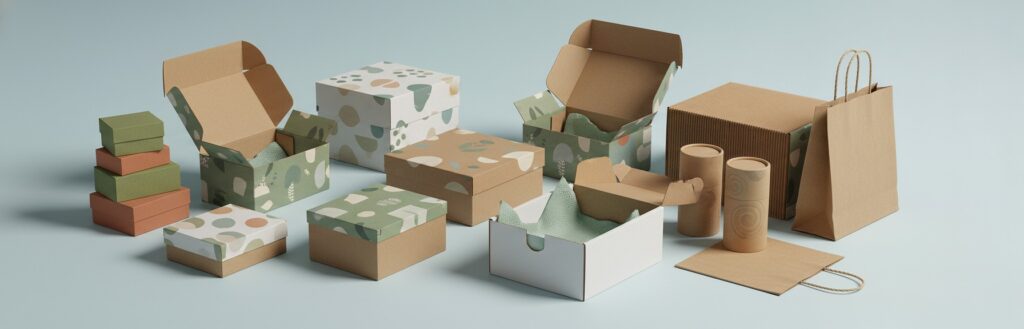
Modern brands need packaging that is safe for the environment. Biodegradable custom packaging boxes are a smart choice. These boxes break down naturally over time. They do not harm soil, water, or air. Using biodegradable packaging shows responsibility towards the planet. Customers also notice eco-friendly packaging and often prefer brands that use it.
What Makes Eco-Friendly Packaging Biodegradable?
Biodegradable packaging is made from materials that nature-safe materials can break down. Common materials include:
• Kraft paper: resistant, recyclable, and with very good printability for design.
• Cornstarch: fully natural and compostable boxes.
• Plant fibers: include sugarcane bagasse or bamboo pulp.
• Recycled cardboard: saves waste and saves trees.
These materials decompose naturally in soil or water. They do not leave harmful chemicals behind. Biodegradable packaging can sometimes even be used as compost.
Benefits of Biodegradable Custom Packaging Boxes
1 It’s Eco-Friendly
Biodegradable boxes reduce plastic waste. Plastic takes hundreds of years to decompose, whereas biodegradable materials return to nature in months. This keeps rivers, oceans, and soil clean.
2 Improves Brand Image
Modern customers are concerned about sustainability. Biodegradable packaging makes a brand look responsible. Eco-friendly packaging attracts customers who love taking care of the planet. It creates trust and loyalty.
3 Cost-Effective in the Long Run
Biodegradable boxes help in cost saving, too. Many of the materials come from recycled sources. Some governments incentivize or give tax benefits for eco-friendly packaging. Using these boxes reduces many long-term environmental costs.
4 Non-Toxic to Products
Biodegradable boxes are strong and durable. They protect fragile items during shipment. Other boxes are water-resistant and grease-resistant. The custom design makes the products fit perfectly inside the box.
Custom Options for Biodegradable Boxes
1 Printing and Colours
Eco-friendly ink is harmless to nature. In case of decomposition of the box, it does not harm the environment. Brands can print the logo, slogan, or pattern. They may create appeal with bright colors or simple design.
2 Shapes and Sizes
Shapes come in custom forms that make products stand out. Boxes may come in small forms for jewelry or really big ones for electronics. These unique designs make the unboxing experience memorable.
3 Embossing and Texture
It gives a luxurious feel to embossed logos or textured surfaces. They give a premium feel without using additional plastic. Texture also helps customers hold boxes easily.
4 Window Cutouts
Some boxes have small windows that display the product enclosed. Window cutouts can utilize biodegradable transparent films. This gives transparency but maintains eco-friendliness.
Biodegradable Materials in Vogue for Progressive Brands
• Kraft Paperboard: Strong, inexpensive, and recyclable. Commonly used for soap, cosmetics, and food packaging.
• Sugarcane Fiber (Bagasse): Compostable and sturdy. Ideal for snacks, chocolates, or takeaway meals.
• Bamboo Pulp: Renewable, biodegradable, and sustainable. Used for luxury and eco-friendly products.
• PLA Film (Polylactic Acid): Bioplastic from corn or sugarcane juice. Biodegradable, nontoxic, and suitable for food packaging. Can replace conventional plastic windows or wrappers.
Biodegradable Packaging in E-Commerce
E-commerce brands ship thousands of products daily. Biodegradable custom boxes are perfect for online orders. They protect items during transit and reduce environmental impact. Some brands add biodegradable fillers, such as shredded paper or cornstarch peanuts. This ensures items remain safe without harming the planet.
1 Reduce Returns with Custom Boxes
Custom packaging reduces product damage. Perfect-fit designs prevent product movement inside boxes. This reduces returns and increases customer satisfaction. Biodegradable materials protect with strength.
2 Memorable Unboxing Experience
Unboxing is key to customer experience. Brands design biodegradable boxes with style. Simple messages, logos, or artworks make it memorable. Customers often share unboxing on social media, boosting brand visibility.
3 Biodegradable Packaging of Food Products
Food brands benefit from biodegradable boxes. Materials such as kraft paper, bagasse, and PLA are safe for food contact. They store dry foods, snacks, and bakery items. Some have moisture-resistant coatings, which are environmentally friendly. Freshness is promoted while being responsible towards the environment.
4 Fast Food and Takeaway Packaging
Many restaurants switch to biodegradable takeaway boxes to reduce plastic pollution and comply with government requirements. Custom designs help brands stand out.
5 Gourmet Foods
Luxury chocolates or gourmet products look better in eco-friendly packaging. Embossed logos, ribbons, and window cutouts enhance presentation. Biodegradable options promise elegance without harming the environment.
Cosmetic Packaging Made with Biodegradable Materials
Cosmetic brands increasingly use biodegradable boxes. Products like soaps, creams, tinctures, and perfumes require safe packaging. Kraft boxes with eco-friendly inks are common. Textured finishes or embossing create a high-end feel. Window cutouts or die-cuts allow customers to see the product. Biodegradable boxes align with sustainable brand values.
1 Sustainability and Consumer Awareness
Consumers actively opt for environmentally-friendly brands. Green packaging is a decisive factor in purchasing. Biodegradable boxes attract positive attention. Labels such as “100% biodegradable” or “eco-friendly” help clients understand the value. Transparency builds trust and repeat purchases.
Trends in Biodegradable Custom Packaging
• Minimalistic Design: Simple, clean designs use less ink and are easier to recycle. Looks modern and professional.
• Refillable and Reusable Boxes: Some biodegradable boxes can be reused, reducing waste and encouraging brand loyalty.
• Intelligent Packaging: QR codes or product info on boxes share recycling tips or sustainability stories. Educates customers while promoting eco-conscious habits.
• Certification and Standards: FSC, compostable certification, or biodegradable labels increase credibility and consumer confidence.
Challenges and Solutions
1 Robustness
Biodegradable materials may be less water-resistant than plastic.
2 Solution:
Use coatings from PLA or starch-based films to maintain strength without harming the environment.
3 Cost
Some biodegradable materials are slightly more expensive than conventional boxes.
Solution: Optimize size, printing, and material thickness. Bulk orders reduce costs.
4 Availability
Not all suppliers provide high-quality biodegradable options.
5 Solution: Partner with trusted suppliers or local manufacturers to ensure consistent quality and delivery.
The future of packaging is green. Governments, consumers, and brands are pushing for eco-friendly solutions. Biodegradable custom packaging will continue to grow in demand. Innovations in materials and printing techniques will make boxes stronger, more affordable, and visually appealing. Brands adopting biodegradable packaging now will lead in sustainability and customer trust.
Conclusion
Biodegradable custom packaging boxes are more than eco-friendly. They protect products, enhance brand image, and satisfy customers. Brands can choose from kraft paper, bagasse, bamboo pulp, or PLA materials. Custom designs make unboxing memorable and engaging. Sustainability is not a trend but a responsibility. Choosing biodegradable packaging ensures a cleaner planet and a stronger, modern brand presence.
Biodegradable Custom Packaging Boxes – FAQ
Q 1: What is a biodegradable custom packaging box?
Biodegradable custom packaging boxes are made from materials that break down naturally. They do not harm the environment and are safe for soil, water, and air.
Q 2: Which materials are used for biodegradable packaging?
Common materials include kraft paper, bagasse (sugarcane fiber), bamboo pulp, recycled cardboard, and PLA (plant-based plastic). All are eco-friendly and compostable.
Q 3: Could biodegradable boxes protect fragile products?
Yes. Biodegradable boxes can be strong and durable. Custom sizes and shapes keep products safe during shipping without using plastic.
Q 4: Biodegradable boxes are good for food and cosmetics.
Yes, many biodegradable materials are suitable for food and cosmetic products. Special coatings make them resistant to moisture and preserve ecological compatibility.
Q 5: How do biodegradable boxes help brands?
They improve brand image, attract eco-conscious customers, reduce waste, and create a memorable unboxing experience. Brands also show responsibility towards the environment.
Q 6: Are biodegradable boxes expensive?
They can be slightly more expensive than regular packaging, but costs reduce with bulk orders. Long-term benefits for the environment and brand reputation are valuable.
Q 7: How will a customer know if the box is biodegradable?
Labels like “100% biodegradable,” “eco-friendly,” or certifications such as FSC help customers identify safe and sustainable packaging.
Q 8: Can biodegradable boxes be customized for branding purposes?
Yes. Biodegradable boxes can be fully customized in terms of size, shape, color, and printing. Brands can print logos, slogans, or patterns using eco-friendly inks that do not harm the environment. Customization allows for a premium unboxing experience while staying sustainable.
Q 9: How long does it take for biodegradable packaging to decompose?
The decomposition time depends on the material and environmental conditions. Materials like kraft paper and bagasse can break down within a few months in compostable conditions, while PLA may take slightly longer. All materials naturally return to the environment without leaving toxic residues.
Q 10. Are biodegradable boxes safe for direct food contact?
Yes. Many biodegradable materials, including kraft paper, bagasse, and PLA, are food-safe. Special coatings can make them moisture-resistant and grease-resistant without affecting their eco-friendliness, making them ideal for snacks, bakery items, or takeaway meals.
Q 11. Can biodegradable packaging withstand shipping and handling?
Yes. Biodegradable boxes can be made durable and strong enough for shipping. By using custom sizes, reinforced materials, or padding like biodegradable fillers (cornstarch peanuts, shredded paper, or bagasse), products remain safe during transit while maintaining eco-friendly standards.
Q 12. How do biodegradable boxes contribute to a brand’s sustainability goals?
Biodegradable packaging reduces plastic waste, minimizes landfill impact, and encourages eco-conscious consumer behavior. Brands using such packaging demonstrate environmental responsibility, enhance their reputation, and appeal to conscious customers, contributing to long-term sustainability goals.