
How to Design Custom Eco-Friendly Packaging Without Increasing Costs
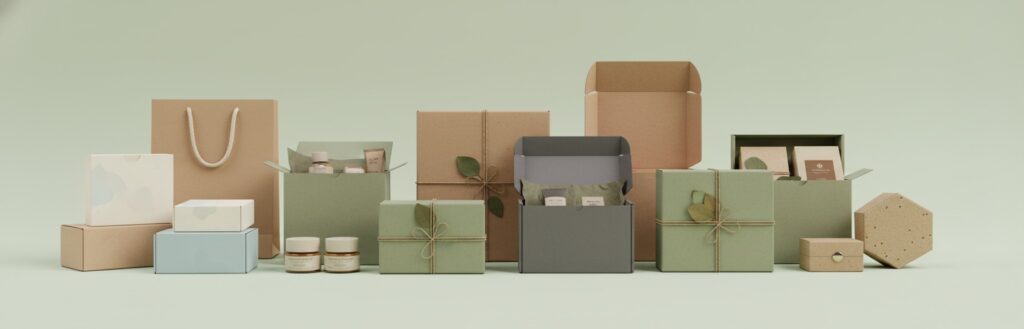
Eco-friendly custom packaging is becoming very important in 2025. Many brands want to protect the environment while saving money. Using sustainable materials and smart design helps reduce waste and improves brand image. This article explains simple ways to create eco-friendly packaging without increasing costs. Every idea is easy to understand and practical for small and big brands.
Why Eco-Friendly Packaging Matters
1 Protects the Environment
Eco-friendly packaging uses materials that are biodegradable, recyclable, or reusable. These materials reduce plastic waste and help protect forests, oceans, and animals.
2 Improves Brand Image
Customers prefer brands that care for the environment. Eco packaging builds trust and loyalty.
3 Saves Money in the Long Term
Using lightweight, recyclable, or reusable packaging reduces shipping costs and material waste.
Choosing the Right Eco-Friendly Materials
1 Cardboard and Kraft Paper
• Biodegradable and recyclable
• Strong and can hold many products
• Using recycled cardboard reduces material costs
2 Biodegradable Plastics
• Made from plants and break down naturally
• Cheaper than traditional plastics in bulk
• Reduces plastic waste
3 Mushroom Packaging
• Compostable and very strong
• Perfect for fragile products
• Can replace foam
4 Recycled Materials
• Using recycled paper, cardboard, or plastic reduces raw material costs
• Supports a circular economy
Smart Packaging Design to Reduce Costs
1 Use Minimal Material
Less material means lower costs. Boxes, bags, and containers should use only what is necessary.
2 Right-Sized Packaging
Boxes that fit products perfectly reduce wasted space. Smaller packages reduce shipping weight and save money.
3 Multi-Purpose Packaging
Design packaging that can be reused as storage or decoration. Reusable packaging adds value without extra cost.
4 Simple Printing Techniques
Printing uses ink and energy. Using simple, one-color printing saves money while keeping packaging attractive.
Efficient Production Techniques
1 Bulk Production
Producing packaging in bulk lowers unit costs. Larger orders reduce manufacturing waste.
2 Local Suppliers
Buying materials locally reduces transportation costs and carbon footprint.
3 Standard Shapes and Sizes
Standard box and bag sizes reduce cutting waste and lower manufacturing costs.
4 Digital Prototyping
Using digital models before production reduces mistakes. Less waste means lower cost.
Reduce, Reuse, and Recycle
1 Encourage Customers to Reuse Packaging
Design packaging that customers want to keep. Reusable boxes, bags, and jars extend the life of the material.
2 Recyclable Materials
Using easily recyclable materials helps brands and customers save money. Clear recycling instructions increase recycling rates.
3 Take-Back Programs
Some brands offer return programs for used packaging. This encourages reuse and reduces raw material needs.
Creative Eco-Friendly Ideas
• Compostable Fillers: Use shredded paper, cornstarch peanuts, or mushroom foam instead of plastic bubble wrap.
• Water-Based Inks: Eco-friendly, non-toxic, and safe for printing. Reduces environmental pollution.
• Plant-Based Labels: Made from sugarcane, hemp, or recycled paper; sustainable and affordable.
• Minimal Plastic: Reduce plastic parts; replace with paper or cardboard alternatives.
Cost-Saving Strategies
• Optimize Packaging Size: Use software to find the best box size. Smaller boxes reduce shipping costs and material use.
• Combine Packaging Orders: Ordering multiple items together reduces unit costs and shipping fees.
• Partner with Eco Suppliers: Long-term contracts with sustainable suppliers often lower prices.
• Avoid Over-Decoration: Too many colors, foils, or embossing increase cost. Simple designs can look premium.
Eco Packaging for Different Products
• Food Products: Use kraft paper boxes or compostable bags. Clear labeling attracts customers.
• Cosmetics: Rigid boxes from recycled materials hold creams safely; minimal printing saves money.
• E-Commerce: Mailers from recycled cardboard or paper reduce weight; reusable mailers encourage repeat purchases.
• Fragile Items: Use mushroom or recycled foam for protection; eco-friendly and cheaper than plastic.
How Brands Can Promote Eco Packaging
• Label Eco-Friendly Materials: Clear labeling shows environmental care.
• Share Sustainability Stories: Share stories on social media and packaging inserts.
• Encourage Social Media Sharing: Customers showing reusable packaging online increases brand visibility.
• Certifications: FSC or compostable logos increase trust and attract eco-conscious customers.
Common Mistakes to Avoid
1 Using Non-Recyclable Materials
o Some materials cannot be recycled or reused.
o Using these increases waste, harms the environment, and raises disposal costs.
2 Overcomplicated Designs
o Too many colors, shapes, or layers are expensive to make.
o Creates extra material waste and uses more energy in production.
3 Ignoring Shipping Costs
o Big or heavy packaging increases shipping costs.
o More weight also increases carbon emissions.
4 Not Educating Customers
o Customers may throw away packaging if they don’t know it can be recycled or reused.
o Clear instructions help customers recycle properly and reuse packaging.
Benefits of Eco-Friendly Custom Packaging
1 Lower Material Waste
• Smart designs need less material; boxes fit products perfectly.
• Using recycled materials reduces the need for new raw materials.
• Less waste saves money and protects the environment.
• Example: A soap brand uses a smaller recycled cardboard box instead of a large plastic container, reducing material use and saving cost.
2 Cost Savings
• Simple designs without extra colors or layers cost less.
• Smaller sizes reduce shipping fees.
• Reusable materials can be used multiple times.
• Example: A cosmetic brand uses a recyclable jar that can be refilled, saving money and attracting eco-conscious customers.
3 Customer Loyalty
• Eco packaging makes customers feel good.
• Happy customers are likely to buy again and recommend the brand.
• Example: A food company provides compostable takeaway boxes, encouraging repeat orders.
4 Positive Brand Image
• Shows that a brand is responsible and sustainable.
• Customers see the brand as trustworthy and socially conscious.
• Example: A clothing brand uses recycled paper tags and plant-based packaging; customers share pictures online.
Future Trends in Eco Packaging
1 Circular Packaging
• What it is: Focuses on reuse, recycling, and reducing waste to create a “closed-loop” system.
• How brands use it: Take-back programs and refill systems.
• Benefits:
o Reduces waste
o Saves money on new packaging
o Encourages eco-conscious behavior
• Example: A shampoo brand offers refill pouches; customers refill bottles instead of buying new ones.
2 Plant-Based Materials
• What it is: Packaging made from plants, mushrooms, sugarcane, or hemp.
• Why it’s popular: Biodegradable and sustainable.
• Benefits:
o Reduces plastic pollution
o Uses renewable resources
o Compostable at home or industrial facilities
• Example: A food brand uses sugarcane pulp boxes for takeout, compostable after use.
3 Digital Printing
• What it is: Uses digital technology instead of traditional printing plates.
• Why eco-friendly:
o Uses less ink
o Saves energy and reduces production waste
o Allows on-demand printing, reducing overproduction
• Benefits:
o Reduces material waste
o Customizable without extra cost
o Flexible and sustainable green branding
• Example: A cosmetic company prints labels on recycled boxes digitally, reducing waste.
4 Smart Packaging
• What it is: Uses QR codes, NFC chips, or apps to interact with customers.
• How it helps:
o Guides proper recycling or reuse
o Tracks packaging for reuse or return
o Provides composting or disposal instructions
• Benefits:
o Encourages proper recycling habits
o Reduces landfill waste
o Adds value without increasing material use
• Example: A beverage brand prints a QR code on bottles showing recycling instructions.
Future eco packaging trends focus on reuse, renewable materials, efficient printing, and smart technology. These trends:
• Reduce waste
• Save resources and money
• Encourage sustainable habits among customers
• Make packaging innovative and responsible
Conclusion
Designing eco-friendly packaging does not have to increase costs. Using recycled materials, smart designs, and simple printing can save money. Eco-packaging improves brand image, reduces waste, and attracts eco-conscious customers. Sustainable packaging benefits brands financially, socially, and environmentally.
FAQ
Q1: Can eco packaging be cheap?
Yes. Using recycled materials and smart designs reduces cost without harming quality.
Q2: What materials are best for eco packaging?
Cardboard, kraft paper, mushroom packaging, and biodegradable plastics are very good options.
Q3: How can packaging be reusable?
Design boxes or bags that can store items, be decorative, or used again.
Q4: Does eco packaging reduce shipping costs?
Yes. Right-sized and lightweight materials reduce shipping cost and carbon footprint.
Q5: How to promote eco packaging to customers?
Label materials clearly, share sustainability stories, and encourage reuse on social media.
Q6: How does eco packaging help reduce environmental impact?
Eco packaging uses recyclable, biodegradable, or reusable materials. This reduces landfill waste, lowers carbon emissions, and minimizes plastic pollution, helping protect ecosystems.
Q7: Can eco packaging be used for fragile products?
Yes. Materials like mushroom packaging, recycled foam, and kraft paper provide cushioning and protection while remaining sustainable and biodegradable.
Q8: Are plant-based packaging materials durable?
Yes. Materials like sugarcane pulp, bamboo, and PLA (polylactic acid) are strong, lightweight, and suitable for both food and non-food products, offering durability without relying on plastic.
Q9: How can digital printing make packaging more eco-friendly?
Digital printing reduces ink and energy usage compared to traditional methods. It also allows on-demand printing, minimizing overproduction and material waste.
Q10: What is circular packaging, and why is it important?
Circular packaging focuses on reuse, recycling, and closed-loop systems. It reduces waste, saves material costs, and encourages customers to recycle or return packaging for multiple uses.
Q11: How can small businesses adopt eco packaging affordably?
Start with simple changes like using recycled cardboard, minimal printing, or compostable fillers. Gradually implement reusable or plant-based packaging as budgets allow.
Q12: Does eco packaging affect product shelf life?
Not necessarily. Many low-cost sustainable materials, like kraft boxes, PLA films, and biodegradable wraps, can be designed to protect products from moisture, dust, and damage, maintaining shelf life.
Q13: Can reusable packaging increase customer loyalty?
Yes. When customers can reuse packaging, it creates a positive experience, reinforces brand responsibility, and encourages repeat purchases.
Q14: How can brands educate customers about eco packaging?
Through clear labels, printed recycling or reuse instructions, social media campaigns, and packaging inserts explaining sustainability practices.
Q15: What are some innovative eco packaging options?
Options include mushroom-based packaging, water-soluble films, edible wrappers, upcycled materials, and digital smart packaging with QR codes for recycling guidance.