
Top 10 Sustainable Packaging Trends for 2025
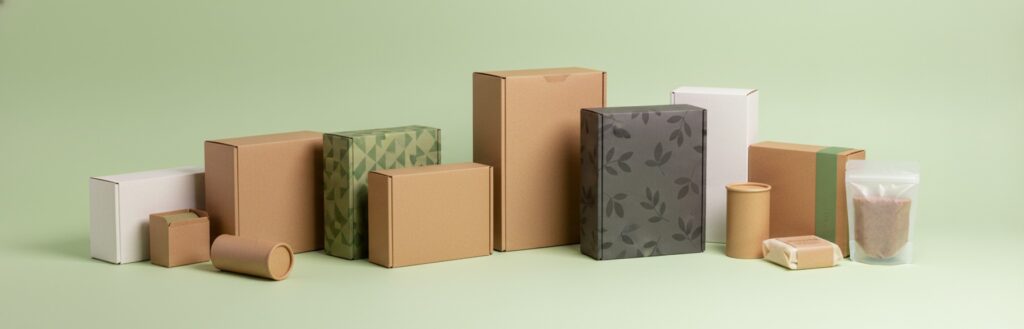
Sustainable packaging is becoming the heart of modern brands. Businesses are looking for packaging solutions that are eco-friendly, reduce waste, protect the environment, and attract conscious customers. In 2025, sustainable packaging is not just a trend—it is essential for success.
This article explores the top 10 sustainable packaging trends shaping the future. Each trend explains what it is, its benefits, popular materials, and examples. This helps brands adopt smart, eco packaging practices.
Recyclable Packaging Materials
1 What is recyclable packaging?
Recyclable packaging uses materials that can be processed and reused after disposal. Materials like cardboard, paper, aluminum, and some plastics are common recyclable boxes options.
2 Why recyclable packaging matters
Recyclable packaging reduces landfill waste and lowers carbon emissions. Brands using recyclable materials demonstrate responsibility toward the environment. This can attract eco-conscious customers and improve the brand image.
3 Popular recyclable materials
• Corrugated boxes made from recycled paper
• Aluminum cans that can be melted and reused
• PET plastic bottles that are collected for recycling
4 Benefits for brands
• Reduces environmental impact
• Lowers disposal costs
• Enhances brand reputation as eco-friendly
Biodegradable and Compostable Packaging
1 What is biodegradable packaging?
Biodegradable packaging breaks down naturally in soil or water. Compostable packaging turns into nutrient-rich compost, helping plants and soil health.
2 Why it is important
This type of packaging prevents pollution and reduces landfill waste. Compostable packaging also promotes organic waste recycling, helping the planet and communities.
3 Popular biodegradable materials
• Cornstarch packaging for food products
• Plant-based cellulose wraps
• Mushroom-based packaging
4 Benefits for brands
• Shows commitment to sustainability
• Reduces environmental footprint
• Attracts conscious customers
Minimalist Packaging Design
1 Understanding minimalist packaging
Minimalist packaging focuses on simplicity. It uses fewer materials and reduces extra layers. This design style is clean, modern, and functional.
2 Why minimalist packaging works
• Saves materials and production costs
• Reduces waste
• Appealing to eco-conscious buyers
3 Design ideas
• Single-color packaging
• Simple fonts and logos
• Minimal labels and stickers
4 Benefits for brands
• Lowers production and material costs
• Creates a premium and elegant look
• Matches sustainable and eco-friendly branding
Reusable Packaging
1 What is reusable packaging?
Reusable packaging can be used multiple times instead of being thrown away. This reduces single-use waste and promotes eco-friendly habits.
2 Why it is effective
• Builds customer loyalty
• Reduces environmental impact
• Saves production costs in the long run
3 Examples of reusable packaging
• Glass jars and bottles
• Cloth or canvas bags
• Durable food containers
4 Benefits for brands
• Enhances brand reputation
• Encourages customers to adopt sustainable habits
• Supports eco-friendly product marketing
Plant-Based Packaging
1 What is plant-based packaging?
Plant-based packaging is made from renewable sources instead of petroleum-based plastics. Common materials include sugarcane, bamboo, and cornstarch.
2 Why it is sustainable
• Reduces dependence on non-renewable resources
• Biodegradable and compostable
• Supports sustainable agriculture
3 Popular plant-based materials
• PLA (Polylactic Acid) for food packaging
• Bamboo boxes and trays
• Paper-based wraps and films
4 Benefits for brands
• Reduces environmental pollution
• Attracts conscious customers
• Adds a premium eco-friendly appeal
Smart Packaging with Sustainability
1 What is smart sustainable packaging?
Smart packaging includes digital elements like QR codes or NFC chips that provide product information. It reduces unnecessary paper labels and promotes recycling instructions.
2 Why it is valuable
• Educates customers about sustainability
• Reduces extra packaging
• Enhances brand credibility
3 Examples
• QR codes on recyclable bottles
• Digital labels replacing printed inserts
• Packaging with clear recycling instructions
4 Benefits for brands
• Combines technology with sustainability
• Improves customer engagement
• Reduces waste while maintaining brand image
Edible Packaging
1 What is edible packaging?
Edible packaging is made from safe, food-grade materials. Customers can consume the packaging after use. This solution almost completely eliminates waste.
2 Why it is innovative
• Zero waste packaging
• Unique and memorable customer experience
• Social media-friendly packaging
3 Popular materials
• Seaweed-based wrappers
• Rice paper packaging
• Potato starch films
4 Benefits for brands
• Creates strong brand recognition
• Reduces environmental impact
• Provides a sustainable alternative for food products
Upcycled Packaging
1 What is upcycled packaging?
Upcycled packaging uses waste or discarded materials to make new packaging. This reduces resource consumption and gives waste a second life.
2 Why it is important
• Reduces landfill waste
• Saves raw materials
• Adds creativity and uniqueness to products
3 Examples
• Boxes made from old newspapers
• Recycled fabric packaging
• Reused glass bottles
4 Benefits for brands
• Supports sustainability and creativity
• Reduces costs in the long term
• Shows responsibility toward the environment
Water-Soluble Packaging
1 What is water-soluble packaging?
Water-soluble packaging dissolves in water, leaving no waste. It is often used for single-dose products like detergents, supplements, or cleaning products.
2 Why it is sustainable
• Zero-waste packaging
• Reduces plastic pollution
• Safe and easy to use
3 Examples
• Laundry pods with dissolvable film
• Water-soluble sachets for supplements
• Eco-friendly detergent packaging
4 Benefits for brands
• Innovative and modern product presentation
• Reduces environmental footprint
• Appeals to eco-conscious consumers
Circular Packaging Systems
1 What is circular packaging?
Circular packaging is a way of designing product packaging so that it keeps materials in use for as long as possible. Instead of being thrown away after one use, packaging is made to be reused, recycled, or composted. The main goal is to create a closed-loop system, meaning almost no waste goes to landfills and environmental impact is minimal.
Think of it like a circle: materials are used, collected, processed, and reused to make new packaging—then the process repeats.
2 Why circular packaging works
1. Reduces waste dramatically – Packaging does not become trash after one use. Recycling and reusing materials reduce garbage in landfills.
2. Encourages sustainable consumer habits – Customers are more likely to recycle, refill, or reuse packaging if it is designed for multiple uses.
3. Strengthens brand reputation – Brands using circular packaging show they care about the planet. This attracts eco-conscious customers and increases trust.
3 Circular packaging practices
• Take-back programs for used packaging – Customers can return used boxes, bottles, or containers. These materials are then recycled or reused.
• Refill stations for products – Some stores allow customers to refill bottles, jars, or containers. This reduces the need to produce new packaging.
• Packaging designed for multiple life cycles – Packaging is made durable and easy to recycle or reuse multiple times, instead of being single-use.
4 Benefits for brands
• Positions the brand as an eco-conscious leader – Shows responsibility and sustainability efforts.
• Encourages long-term customer engagement – Customers feel involved in reducing waste and keep coming back.
• Supports sustainability in every step – From production to disposal, packaging is environmentally friendly, reducing the overall carbon footprint.
5 Simple Example:
Imagine a glass bottle for a drink. After finishing, a customer returns the bottle to a store. The bottle is washed and reused for a new drink. The cycle continues, and waste is reduced. This is circular packaging in action.
Conclusion
Sustainable packaging in 2025 is not a choice—it is a necessity. Brands that adopt recyclable, biodegradable, reusable, plant-based, and circular packaging reduce environmental impact and attract conscious customers.
Using eco-friendly solutions, innovative designs, and minimalistic approaches helps businesses save costs and build strong brand reputations. Combining sustainability with smart design ensures packaging is functional, visually appealing, and responsible.
By following these top 10 sustainable packaging trends, brands can lead in environmental responsibility, boost customer loyalty, and enhance product value. Sustainable packaging is not only a trend but also a long-term investment in the planet and brand image.
FAQs related to Sustainable Packaging
Q 1: Why is sustainable packaging important?
Sustainable custom packaging reduces waste, saves resources, and attracts eco-conscious customers.
Q 2: Which materials are best for sustainable packaging?
Recyclable cardboard, plant-based plastics, biodegradable wraps, reusable glass, and cloth materials are top options.
Q 3: Can sustainable packaging reduce costs?
Yes, minimal, reusable, and circular packaging lowers production and waste disposal costs.
Q 4: What is the future of sustainable packaging?
The future focuses on circular systems, plant-based materials, smart digital solutions, and zero-waste packaging.
Q 5: How can brands adopt sustainable packaging trends?
Start with recyclable, reusable, or biodegradable materials. Gradually implement circular systems, smart packaging, and plant-based options.
Q6: How does reusable packaging benefit both brands and customers?
Reusable packaging allows products to be used multiple times instead of being thrown away. For brands, it builds customer loyalty, enhances brand reputation, and supports eco-friendly marketing. For customers, it reduces waste, provides durable storage solutions, and encourages sustainable habits.
Q7: What role does plant-based packaging play in reducing carbon footprint?
Plant-based packaging is made from renewable resources like bamboo, sugarcane, and cornstarch. By reducing dependence on petroleum-based plastics, it lowers greenhouse gas emissions during production. Additionally, these materials are biodegradable or compostable, further minimizing environmental impact.
Q8: How can smart packaging improve customer engagement?
Smart packaging integrates technology such as QR codes or NFC chips to provide product information, recycling instructions, or promotions. It educates consumers about sustainability, enhances transparency, and creates an interactive experience, increasing brand trust and engagement.
Q9: What types of products are best suited for edible packaging?
Edible packaging is ideal for food and beverage products, such as snacks, single-serve items, and meal kits. Made from materials like seaweed, rice paper, or potato starch, it offers zero-waste alternatives and can provide a unique, memorable, and social media-friendly experience.
Q10: How does upcycled packaging contribute to sustainability?
Upcycled packaging uses discarded or waste materials like newspapers, fabric scraps, or glass bottles to create new packaging. It reduces landfill waste, saves raw materials, lowers production costs, and demonstrates creativity and responsibility, making the brand more appealing to eco-conscious consumers.