
Eco-Friendly Custom Packaging: The Future of Sustainable Brands
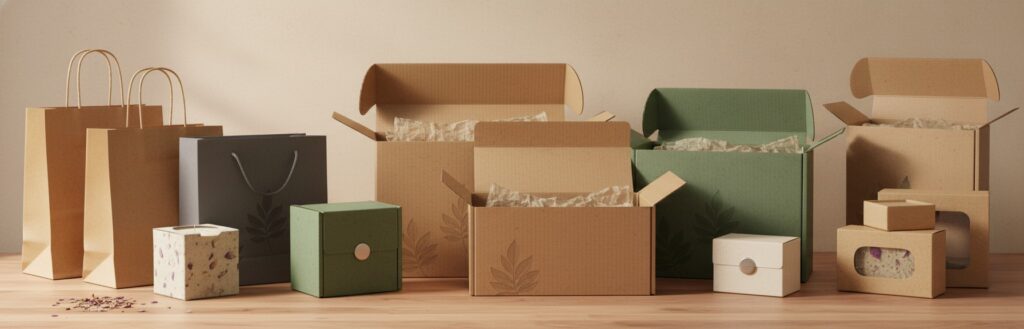
Eco-friendly packaging is a kind of packaging made from materials that do not harm the environment; it is also called sustainable packaging. This kind of packaging is not harmful to nature. It reduces pollution, saves trees, and lowers waste. Brands today move towards eco-friendly packaging so as to save the planet and attract eco-conscious customers.
It includes designing boxes, bags, and wrappers according to a brand’s style and image it wants to reflect. When such custom packaging turns eco-friendly, it turns into a tool for marketing and sustainability. A buyer will appreciate a company which takes care of the environment. Eco-friendly custom packaging gives a good impression and develops buyer trust.
Why Sustainable Packaging Matters
Sustainable packaging is a responsibility rather than a trend. Billions of tons of plastic and waste cause grave damage to the ocean, forests, and animals every year. Such problems are reduced by eco-friendly packaging.
The other possible added benefit with sustainable packaging is long-term potential in creating cost savings. More often than not, the cost of recycled or biodegradable materials is way lesser compared to the long-term management of the waste.
Sustainable packaging differentiates brands; more and more customers would switch to brands using recycled papers, cardboard, or biodegradable plastics. By touting sustainability, the brand cements a reputation to win over loyal customers.
Materials Used for Eco-Friendly Value-Added Packaging
Green-packaged materials are those that are believed to be renewable, recyclable, or biodegradable boxes. Examples of such common materials include:
1 Kraft Paper & Cardboard
Kraft papers are strong and biodegradable in nature, and the cardboard is tough, protecting fragile items. On each of these, it’s pretty easily possible to do custom design printing, and each of them is relatively economical. Recycled cardboard saves trees and reduces pollution.
2 Biodegradable Plastics
Biodegradable plastics are those which can degrade naturally in the soil or water. These plastics are way better compared to the conventional ones, as they will not accumulate in the environment for hundreds of years. Brands can use them for bags, wrappers, or shrink films.
3 Plant-Based Materials
Examples of plant-based materials are those derived from corn, sugarcane, and bamboo. All these are renewable and compostable. Packaging made out of plant-based material reduces the reliance on conventional petroleum-based plastics, cutting carbon footprint.
4 Recyclable Material
This ranges from paper, cardboard to plastic. Recycling reduces waste and energy used. The eco-friendly look of packaging made from recycled material reflects brand responsibility.
Eco-Friendly Custom Packaging: Benefits
Custom eco-friendly packaging comes with a number of benefits to both the brands and customers.
Brand Reputation Building
Eco-friendly packaging shows how much the brand truly cares about the environment. Everyone is pleased to purchase products from a brand that helps reduce both wastage and pollution. A strong eco-friendly image generates customer loyalty.
1 Less Environmental Degradation
Sustainable packaging requires less energy, which naturally translates to much less pollution. Recycled papers or biodegradable plastics can easily decompose through natural processes and contribute little to landfills.
2 Appeals to Eco-Conscious Consumers
Many would prefer to buy a product boasting eco-friendly packaging. Customized designs that carry an eco-friendly message attract buyers, hence increased sales.
3 Long-Term Cost-Effectiveness
Long-term costs are reduced by the use of recyclable or biodegradable materials. Waste disposal cost and material cost when using recycled products are also reduced.
4 Amplifies Marketing Efforts
It tells a story about the brand through custom packaging design. Adding environment-friendly packaging adds value to create a good image. A unique design, color, and logo on sustainable material make the product look more attractive.
Designing Green in Custom Packaging: Tips
Good design pays for sustainability and marketing. Some tips include:
1 Keep it Simple
More minimalistic designs use less ink and fewer materials. Simpler packaging also means lower production costs and less overall waste.
2 Use Natural Colors
Earth tones include brown, green materials, and cream. They connote an eco-friendly outlook, showcasing how well the packaging is sustainable and safe for the environment.
3 Ecology-Friendly Features Emphasized
Print messages on the package, such as “100% Recycled”, “Biodegradable”, or “Compostable”. This informs consumers and strengthens trust in the brand.
4 Choosing the Right Form
Package the product with protection using a minimum amount of material. Smart shapes reduce waste and shipping cost.
5 Reusable Packaging
Design reusable packages for customers. A box or jar that can be reused adds value and avoids many single-use containers.
Eco-Friendly Packaging of Miscellaneous Products
1 Food Products
Food items are best packed in biodegradable wrappers, paper bags, and compostable containers. They not only keep the food fresh and safe but also protect the environment.
2 Cosmetics
Kraft boxes, glass jars, and plant-based packaging go well with cosmetics. Custom eco-friendly designs increase the appeal for any brand.
3 E-commerce Products
Products are well protected in shipping by sturdy recycled cardboard boxes. Eco-friendly mailing boxes are the best fit for online stores.
4 Beverages
Beverages can be served in paper cups, recycled cartons, and plant-based bottles. Moreover, the packaging being eco-friendly reduces plastic waste.
Sustainable Printing Techniques
Printing on packaging should also be eco-friendly. Following are some ways to print sustainably:
1 Soy-Based Inks
They are prepared from soybeans and non-toxic. Soy inks are safer for the environment than petroleum-based inks.
2 Water-Based Inks
Water-based inks reduce harmful chemicals and biodegrade. They are suitable for printing on eco-friendly packaging.
3 Less Use of Ink
Simple designs with fewer colors do not require excessive ink and waste less energy.
How Eco-Friendly Packaging Supports Brand Growth
Eco-friendly custom packaging is a marketing tool. It tells a story about the brand’s values. Customers associate sustainable packaging with quality, responsibility, and trust.
• Helps the brand grow in both local and global markets.
• Raises customer satisfaction.
• Social media sharing of eco-friendly packaging creates free marketing.
Common Mistakes to Avoid in Green Packaging
• Coating with non-recyclable or mixed material
• Using too much plastic or ink
• Poor communication of sustainability with customers
• Making packaging unnecessarily large or complicated
Ecological packaging is efficient and cost-effective, as proper planning works efficiently.
Future Trends of Green Packing
1 Smart Green Package
Eco-friendly messages on packaging with QR codes or augmented reality digitally connect brands with consumers.
2 New Biodegradable Materials
New plant-based, fully biodegradable, and seaweed-based materials are emerging for packaging.
3 Reusable Packaging
Refillable containers cut down on waste. Customers can return packaging and purchase refills.
4 Zero-Waste and Minimalist Packaging
Zero-waste packaging does not use superfluous material. Minimalist designs minimize cost and help the environment.
How to Choose Proper Eco-Friendly Packaging Suppliers
• Look for suppliers using recycled or biodegradable materials
• Ask if they offer custom printing with ecological inks
• Ensure the supplier has experience in packaging design
• Confirm delivery and production timelines meet brand needs
A good supplier ensures quality packaging that contributes to sustainability goals.
Affordable Alternatives for Small Brands
Eco-friendly packaging need not be expensive. Small brands can use:
• Less fancily printed recycled cardboard boxes
• Kraft paper bags of small sizes
• Biodegradable wrappers for food and cosmetics
• Stickers made from recycled material
Low-budget eco-friendly packaging can still look premium with smart design choices.
Conclusion: The Future is Sustainable
The customization of Eco-friendly packaging is the future of branding. It protects the environment, builds trust, and attracts customers. Brands that invest in sustainable packaging show responsibility and innovation. Every product packed in eco-friendly materials tells a story of care for the planet.
Sustainable brands are not only saving the environment but also growing faster in competitive markets. Eco-friendly packaging is no longer optional; it is necessary for long-term success.
Frequently Asked Questions (FAQs)
Q1: What is green custom packaging?
Green custom packaging involves materials safe for the environment, designed to complement a brand’s image.
Q2: Why is green packaging important to brands?
It helps create trust, minimizes environmental harm, appeals to eco-conscious buyers, and aids marketing efforts.
Q3: Which materials are best for sustainable packaging?
Kraft paper, recycled cardboard, biodegradable plastics, and plant-based materials.
Q4: Is affordable eco-friendly packaging available for small businesses?
Yes. Budget-friendly options include recycled cardboard, kraft bags, and biodegradable wrappers.
Q5: How does green packaging help marketing?
It reflects brand values, attracts customer attention, and aids brand loyalty through sustainable practices.
Q6: What is the future of green packaging?
Trends include biodegradable materials, refillable packaging, zero-waste design, and smart digital packaging.
Q7: How can eco-friendly packaging reduce a brand’s carbon footprint?
By using recycled, biodegradable, or plant-based materials, brands minimize waste and lower energy consumption in production, reducing overall environmental impact.
Q8: Can eco-friendly packaging be customized for branding purposes?
Yes. Sustainable materials like kraft paper, recycled cardboard, and plant-based plastics can be printed with logos, colors, and designs without compromising eco-friendliness.
Q9: Are there certifications to verify eco-friendly packaging?
Yes. Certifications like FSC (Forest Stewardship Council), compostable certifications, and recyclable material standards help ensure packaging meets sustainability requirements.
Q10: Does eco-friendly packaging cost more than conventional packaging?
Not necessarily. While some materials may be slightly higher in cost, many recycled and biodegradable options are affordable, and they save money long-term through reduced waste disposal and branding benefits.
Q11: How does eco-friendly packaging affect customer perception?
Customers view brands using sustainable packaging as responsible, trustworthy, and modern, which can increase loyalty, repeat purchases, and positive word-of-mouth marketing.