
A Step-by-Step Guide to Creating High-Impact Custom Packaging
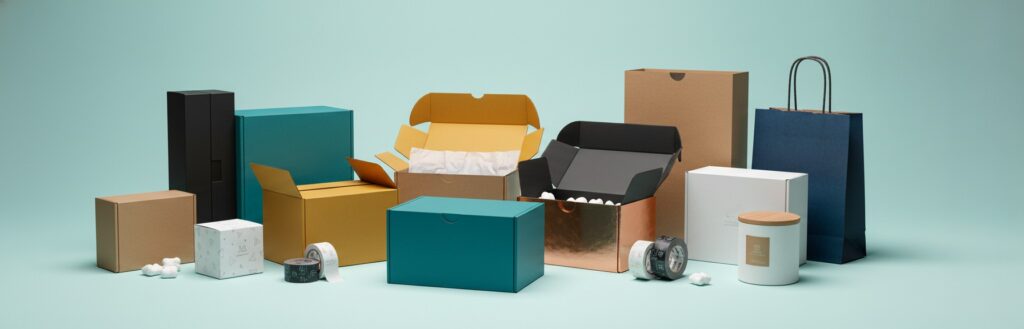
Custom packaging plays an enormous role in modern branding. Strong packaging increases the value of a product. It creates trust; it provides a frictionless buying experience. Many brands are investing in high-impact, packaging since it improves sales and customer satisfaction.
This simple guide explains every phase in an incredibly straightforward way. The goal is to enable brands to create packaging workflow that looks attractive, protects products, and supports marketing. Each step is easily understandable, and the process is clean.
Understanding the Purpose of Custom Packaging
Why Packaging Matters
Packaging makes any product stand out. Unique boxes get shoppers’ attention more readily. Attractive packaging makes the brand visuals strong and credible. Good packaging also wins trust. It minimizes damage and keeps the product safe.
How Branded Packaging Benefits Brands
The packaging also facilitates brand growth. It tells the brand story. Clear designs help customers better understand the product. Good packaging increases the chances for repeat purchases.
Common Packaging Goals
Most brands follow simple goals:
Better shelf appeal
Strong protection
Clear information
Smooth unboxing
Eco-friendly materials
The Target Market Research
Studying Buyer Behavior
Understanding the buyer is very important. Different buyers like different styles. Some buyers want simple kraft packaging. Others want luxury packaging with gold foil. Market research helps in choosing the right look.
Analyzing Competitors
Competitor study helps in the identification of gaps. It shows what designs work and what designs are old and boring. This helps in making packaging that stands out.
Understanding Market Trends
Trends keep changing. Some common trends include:
Minimal designs
Soft colors
Eco-friendly kraft boxes
Reusable packaging
Clean typography
These trends help brands design fresh and modern boxes.
Laying the Groundwork for Packaging Design
Listing Core Brand Elements
Strong packaging involves:
Brand colors
Logo design
Brand fonts
Slogans
Visual style
These design elements create a unified appearance. Consumers remember brands with clean visuals.
Planning the Goal of Packaging
Every box must serve a certain purpose. Some products need strong protection, some need high appeal to the eye, and some must highlight natural ingredients. Planning saves time and enhances the quality of design.
Determining the Budget
Packaging budget impacts materials, printing, and finishing. A clear budget leads to smart decisions that will prevent over-costs later on.
Selecting the Proper Packaging Material
Cardboard Packaging
Cardboard is light and strong. It supports printing very well. Many brands use cardboard for beauty, soap, candle, and food boxes.
Kraft Packaging
Kraft packaging is eco-friendly, it has a natural appearance, it goes well for organic and handmade products, and the material is strong. It gives a rustic style.
Corrugated Packaging
Corrugated boxes protect heavy or fragile items. These kinds of boxes stay firm during shipment. The inside fluted layer offers strong support.
Rigid Packaging
Rigid boxes give a feel of high value. Most luxury brands use rigid boxes for packaging perfumes, jewelry, and other valued gifts. These boxes increase perceived value.
Eco-Friendly Packaging Choices
Some popular green materials include:
Recycled kraft
Compostable paper
Soy-based inks
Biodegradable films
Eco-friendly packaging supports brands that focus on sustainability.
Planning the Box Structure
Selecting the Style of Box
Many box styles are available:
Tuck boxes
Mailer boxes
Drawer boxes
Sleeve boxes
Display boxes
Pillow boxes
Choosing the right style guarantees better product fitting and appearance.
Product Dimension Measurement
Accurate size matters. A tight box protects the product better; a loose box wastes space. A perfect fit looks clean and fresh.
Adding Internal Support
Some products require additional support. Inserts, dividers, and trays assist with the process. Foam inserts protect delicate items. Cardboard dividers help heavy products.
Developing the Packaging Design
Color Theme Selection
Colors evoke mood. Pastel colors or softer tones bring a calm feeling. Bright colors demonstrate energy. Natural brown kraft evokes an organic feel.
Choosing Typography
Fonts should be clear. Simple fonts enhance readability. Strong fonts are effective for highlighting key information. Luxury boxes should apply premium fonts.
Adding Product Information
Clear information allows customers to know:
Usage details
Ingredients
Safety notes
Expiration dates
Benefits
This builds trust and fosters buying decisions.
Adding Branding Elements
Branded boxes include:
Logo
Brand name
Tagline
Slogan
Icons
Good branding increases recognition and recall.
Using High-Quality Images
Strong visuals enhance appeal: images have to be sharp, clean, and clear. Blurred images diminish quality.
Printing Techniques Selection
Digital Printing
Digital printing is good for small runs; it provides bright colors, quicker production, and works well for soft-touch designs.
Offset Printing
Offset printing supports bulk quantities. Colors stay accurate. Many premium boxes use offset printing.
Flexographic Printing
Flexo printing is suitable for corrugated boxes. It is fast and economical.
UV Printing
UV printing adds shine and depth, is fast-drying, and the colors are rich.
Eco-Friendly Ink Choices
Soy-based inks improve sustainability. These inks reduce environmental impact.
Adding Special Finishing Options
Foil Stamping
Foil stamping adds shine. Gold and silver foils create a premium look. Luxury brands use foil for logos and borders.
Embossing and Debossing
Embossing raises the surface, while debossing presses the design inside. Both give texture and elegance.
Spot UV Coating
Spot UV adds glossy shine to selected areas. It creates contrast and makes important details pop up.
Soft-Touch Lamination
Soft-touch lamination has a smooth feeling. It gives a velvet-like finish. Many skincare and perfume brands prefer it.
Matte and Gloss Lamination
Matte lamination creates a subdued appearance. Gloss lamination adds sparkle. Both enhance durability.
Designing for Shipping and Protection
Selecting Superior Materials
Shipping boxes go through a lot of rough handling. Corrugated boxes protect products during travel, while strong materials reduce breakage.
Adding Cushioning
Fragile items are supported by bubble wrap, paper fillers, and inserts. These reduce the impact upon movement.
Testing Box Durability
Drop tests check for strength, while the weight of the box is tested for load capacity. Testing ensures safe delivery.
Designing for Retail Display
Creating Shelf-Ready Boxes
Retail packaging should appear clean. Bright colors draw attention. Clear printing helps the customer understand the product quickly.
Adding Display Windows
Small windows that allow the shopper to view the product increase trust and reduce return chances.
Following Retail Rules
Some stores have size rules, where others may want barcode placements in specific areas. Following rules avoids issues later.
Optimizing the Unboxing Experience
Keeping the Box Easy to Open
Easy opening makes customers happy. Smart cuts and clean folds improve the experience.
Adding Thank-You Notes
Small notes create emotional value. Many brands include card inserts with positive messages.
Using Branded Tissue Paper
Branded tissue adds a soft touch, giving a premium feel to it.
Including Samples
Small samples amaze customers. They increase brand loyalty.
Eco-Friendliness in Packaging
Reducing Waste
Smaller boxes reduce waste. Smart design saves material and cost.
Using Recyclable Materials
Recycled cardboard and kraft packaging help the planet. Green packaging appeals to eco-conscious shoppers.
Returnable Packaging
Gift boxes, pouches, and rigid boxes are examples of reusable packaging. It adds extra value.
Working with Packaging Designers
Sharing Clear Requirements
Designers work better with clear ideas. Material choice, color themes, and product size must be clear.
Sample Review
A few samples help find the perfect design. It checks every detail to avoid mistakes.
Approving the Final Layout
Correct spelling, right size, and correct colors count. Final approval assures accuracy.
Ordering Packaging in the Right Quantity
Small Runs
Small batches benefit new brands. Digital printing supports small orders.
Bulk Orders
Large orders reduce costs. Bulk printing offers better rates.
Storage Planning
Correct storage keeps boxes clean and dry. Materials get damaged by humidity.
Quality Control and Final Checks
Checking Printing Quality
Color needs to remain sharp. Lines need to remain clean. Smudges reduce quality.
Checking Box Strength
Weight tests show strength. These tests ensure safe shipping.
Checking Design Accuracy
Logos, fonts, text all need to remain accurate. Inaccurate information erodes trust.
Launch High-Impact Packaging
Product Photo Update
New packaging improves online photos. High-impact packaging increases conversion rates.
Sharing on Social Media
Nice packaging looks nice in photos. People love sharing their unboxing videos.
Updating Marketing Material
Banners, advertisements, and catalogs should follow the new design. A uniform outlook increases brand trust.
Customer Feedback Monitoring
Reading Customer Reviews
Reviews show what customers like. Reviews also show what needs improvement.
Tracking Return Reasons
Some products return due to damage. Strong packaging reduces these returns.
Updating Packaging Over Time
Brands evolve, packaging needs to evolve, too. Future designs are shaped by new trends and customer needs.
Common Mistakes to Avoid
Using Low-Quality Materials
Poor-quality materials increase the risk of damage. This will lead to lower levels of trust by customers.
Overcrowded Designs
Too many elements confuse the buyer, while clean designs look modern.
Poor Color Choice
Wrong colors hurt branding. Clear, soft, or bold colors have to match the product.
Lacking Essential Information
Safety details and ingredients should remain clear. Missing details reduce reliability.
Ignoring Sustainability
Many buyers prefer eco-friendly packaging, and when ignored, it reduces appeal.
Advantages of High-Impact Packaging
Better Brand Identity
Strong packaging will remind customers of the brand.
Higher Product Value
Premium boxes increase perceived value.
Better Protection
Quality materials keep products safe.
Improved Customer Experience
Smooth unboxing creates an emotional bond.
Higher Sales
Attractive packaging increases impulse buying.
Conclusion
High-impact custom packaging supports strong brand growth. Even the smallest detail counts in such packaging. The selection of material, printing style, and finishing affects the final look. When each step remains planned, the final box becomes attractive, strong, and memorable.
This guide explains each step of this process in simple language. If followed, these steps will help brands create premium, eco-friendly, and reliable packaging. Strong, high-impact packaging engenders confidence, boosts sales, and reinforces brand identity.
FAQ Section: High-Impact Packaging
Q 1: What is packaging?
Packaging refers to a box or container made to match the size, style, and brand look of a product. This helps the product stand out and keep it safe.
Q 2: In what ways does packaging grow a brand?
Strong packaging improves brand identity, increases trust, and presents the product as valuable. Better packaging leads to better sales.
Q 3: What material types are ideal for customized packaging?
Popular materials include cardboard, kraft paper, rigid board, and corrugated fiberboard. Each material serves a different need, be it for protection, a look of luxury, or sustainability.
Q 4: What makes packaging “high impact”?
This is the premium packaging with striking visuals, readable printing, superior finishes, and solid construction. It would draw attention quickly and make a great first impression.
Q 5: What is the best printing method for product boxes?
Small-order printing works well with digital printing, while offset printing works best for large orders. Flexo printing suits corrugated boxes. UV printing adds shine and rich colors.
Q 6: What finishing options enhance packaging appeal?
Popular finishing options include: foil stamping, embossing, debossing, soft-touch lamination, matte lamination, gloss lamination, and spot UV.
Q 7: Why is eco-friendly packaging becoming popular?
Eco-friendly packaging reduces waste and helps the planet. Many shoppers have a preference for brands using either recyclable or biodegradable materials.
Q 8: In what ways does packaging enhance product protection?
Correct size, strong materials, and inserts all help protect the product. This reduces breakage during shipping.
Q 9: What is the role of color in packaging design?
Color impacts emotions and brand character. Pastel colors evoke calmness. Vibrant colors energize. Earthy tones of kraft display organic style.
Q 10: Why is typography important on packaging?
Typography will help customers to grasp information faster. Good typography also enforces branding and increases trust.
Q 11: How can packaging increase sales?
Beautiful boxes instantly attract much attention. Clear information helps buyers better understand the product. High-quality finishing adds perceived value.
Q 12: How does packaging support online brands?
Well-designed packaging further improves unboxing. Good unboxing increases excitement, and that leads to positive reviews and social media shares.