
The Psychology Behind Custom Packaging and Customer Loyalty
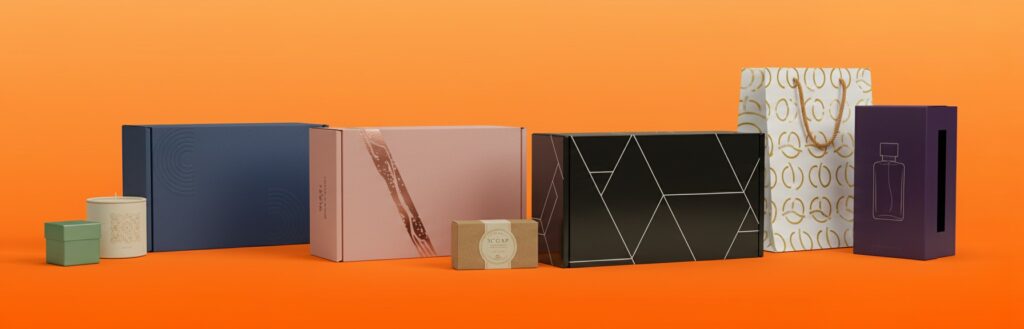
Packaging is much more than just a box or wrapper; it’s a silent salesman, speaking out for the product even before the product does. The first glance at packaging builds trust, creates excitement, and sometimes shapes buying decisions. When designed wisely, custom packaging strikes a strong emotional connection with customers, naturally drawing them back for more.
Understanding the Psychology of Packaging
Packaging works with emotions: the human brain reacts to colors, shapes, and textures before even starting to read any words. In fact, such small details allow the human mind to form quick judgments about a brand’s quality and values.
1. First Impressions Create Instant Connections
A product’s package is usually the first impression. If it looks creative and professional, it builds confidence. When a package looks dull or careless, doubt is created. The human mind relates beauty to quality, and this is why attractive packaging often creates a stronger customer interest.
2. The Role of Emotions in Buying Behavior
Buying decisions are not only rational but also emotional. A well-designed package can make consumers feel happy, surprised, or comforted. These sensations make a product more memorable. Emotional packaging design lets people feel valued and understood; it builds loyalty.
3. The Power of Colors and Shapes
Different colors, as illustrated here, inspire different moods.
Blue evokes feelings of trust and tranquility.
Red is for excitement and energy.
Green links to nature and freshness.
Gold and black convey luxury and quality.
Shapes, too, play their role: rounded corners are friendly, while sharp edges have an aspect of boldness and strength. Smart packaging design takes advantage of those details to attract the right audience.
How Custom Packaging Builds Trust
Loyalty depends on trust. Custom packaging helps in building a feeling of honesty and, most importantly, of care.
1. Consistency Builds Recognition
Packaging becomes easily recognizable when it follows a consistent design-same colors, fonts, and placement of the logo. The brain retains familiar visuals more quickly. Recognition brings comfort and trust, further leading to repeat purchases.
2. Quality Packaging Reflects Brand Values
The quality of materials and neat finishes indicate whether the product is worth its price or not. Attention to detail in a strong box or well-printed label means a lot-it speaks volumes for this brand about the attention to quality and customer satisfaction.
3. Transparency Builds Honesty
Clear labeling, eco-friendly materials, and visible product information create trust. When packaging comes across as honest and open, it invites long-standing loyalty.
The Emotional Side of Unboxing
It has become more of an experience than just the step to reach the product. Opening a well-designed box is fairly enjoyable for people.
1. The Surprise and Delight Factor
A little extra touch inside, like a thank-you note or just a ribbon, creates joy. These small surprises will make your customers feel special. The human brain remembers emotional moments, and such experiences heighten the chances of buying again.
2. Developing a Personal Link
A personal touch in customized messages or even names evokes a sense of ownership. When packaging feels made especially for the customer, an emotional connection will be much greater.
3. Unboxing and Social Sharing
Attractive packaging happens to be very social media-friendly, as nice unboxing moments tend to be very shareable online. This, in turn, fosters free brand promotion and helps new customers find the product.
The Link between Custom Packaging and Customer Loyalty
Loyalty grows from positive experiences, so every time a customer enjoys unboxing or trusts the brand, emotional loyalty gets stronger.
1. Packaging as a Memory Trigger
Packaging will act as a reminder; every time he sees the same colors or logo, it will bring up good memories of the product. This memory link builds up a habit of choosing the same brand again.
2. Brand Identity through Design
This means that the packaging can tell a story of the brand. Thanks to unique designs and messages, it can be understood what the brand wants to tell. Indeed, every customer proudly supports those brands that show clear values. The result of this emotional identification is more permanent loyalty.
3. Smart Packaging Rewards Loyalty
Custom packaging may also include QR codes, discount coupons, or simply thank-you cards. These intuitive components reward customers’ loyalty and invite them to more.
The Role of Sustainability in Building Trust and Loyalty
Modern consumers tend to care about the planet. Eco-friendly packaging reflects that a brand truly cares.
1. Green Packaging Creates Respect
Using materials that are either recyclable or biodegradable is a strong message in itself, showing responsibility towards nature. Customers like that care and would always want to purchase again from responsible brands.
2. Minimal Waste Builds Positive Image
They are modern and considered designs, not wasting anything. Simple and minimal designs attract eco-conscious customers who appreciate style just as much as responsibility.
3. Telling a Green Story
Printing a small note on sustainable practices on packaging creates transparency, helping customers to feel good about their purchase while strengthening their emotional connection with the brand.
Color Psychology in Building Brand Loyalty
Color plays one of the most important roles in packaging psychology.
1. Warm vs. Cool Colors
Warm colors include red, orange, and yellow; these colors energize and excite. Cool colors, on the other hand, include blue and green; these cool colors are calming and instill trust. A proper balance will help in forming the right brand image.
2. Contrasts Grab Attention
High-contrast designs are an instant eye-catcher. For instance, black text on a white background is clean and sharp. Balanced contrast means readability improves, carrying a professional appeal.
3. Color Harmony for Emotional Balance
Colors working together in harmony make the design look natural and pleasing. When packaging appears calm and balanced, it develops positive feelings toward the product.
Typography and Design Elements That Build Trust
Typography and layout are simple, yet they may guide the mind.
1. Clear Fonts Build Confidence
Clean, readable fonts build comfort and instill confidence. Difficult fonts have confused the eyes and weakened a brand.
2. Balanced Layout Shows Professionalism
A neat design creates order. White space, object alignment, and orderly placement-all give a professional, high-quality feel.
3. Logos as Symbols of Identity
A logo is not just a mark; it’s a promise, a set of values. Thus, keeping the logo visible without overwhelming creates balance and recognition.
How Packaging Encourages Repeat Purchases
Attractive packaging turns one-time buyers into regular customers.
1. Familiarity Creates Habit
The moment the brain associates positive feelings with packaging, it remembers that and keeps on making the same choice. Consistent packaging creates this buying habit.
2. Emotional Trust Overrides Price
When customers are attached to a brand, small price differences really do not matter. Trust and comfort translate into repeat buying, even when there are cheaper alternatives.
3. Storytelling Builds a Deeper Bond
Adding small, meaningful stories of the product or its making gives it an emotional value; it builds an invisible bond between the brand and the buyer.
Using Custom Packaging as a Marketing Tool
Packaging is like silent marketing; it advertises a product even without its ads.
1. Branded message on each box
Printing taglines, brand promises, or quick response codes on packages can easily turn them into mini billboards. Each delivery becomes an opportunity for brand exposure.
2. Word-of-Mouth through Design
Attractive packaging gets people talking about the brand. When the product is good-looking, word-of-mouth and social sharing happen on their own.
3. Collectible Packaging for Emotional Attachment
Other brands create limited edition boxes that people love to collect, hence creating a point of engagement that may lead to long-term loyalty.
Conclusion: The Invisible Power of Custom Packaging
The aim of custom packaging is not just protection or style; rather, it’s to build emotions, earn trust, and create loyalty. Each color, each texture, and every word create a message in the customer’s mind. A well-thought-out design makes the brand unforgettable.
When packaging connects emotionally, it turns an ordinary product into a long-lasting memory. In turn, that memory becomes loyalty, and loyalty translates into long-term success.
Frequently Asked Questions (FAQ)
Q 1. What is the psychology behind custom packaging?
The psychological aspect of customized packaging is based on how colors, shapes, and designs affect human emotions. Appealing packaging fills people with trust, happiness, and curiosity, helping hugely in building stronger customer connections and loyalty.
Q 2. How does custom packaging develop customer loyalty?
Custom packaging produces emotive experiences. A nice box, a curious design, or a message of information will make your consumers feel important. These positive vibes will make them repeat buyers and loyal in the long run.
Q 3. Why does color matter in packaging design?
Colors are those attributes that appeal to emotions and decisions. For example, the color blue brings a feeling of calm and trust; red creates energy and excitement. The right color helps in building identity and creating trust in a brand.
Q 4. What is the role of unboxing in customer loyalty?
Unboxing is emotionally arousing. A well-prepared box with little surprises, like thank-you cards or notes, simply makes a big difference and creates special emotional memories that foster repeat purchases.
Q 5. Does packaging really affect buying behavior?
Yes, it does, as the packaging informs the consumer’s judgment of the product even before buying. Clean, creative, and professional packaging depicts quality and reliability, thus improving sales.