
The Ultimate Guide to Custom Packaging Design for Product Branding
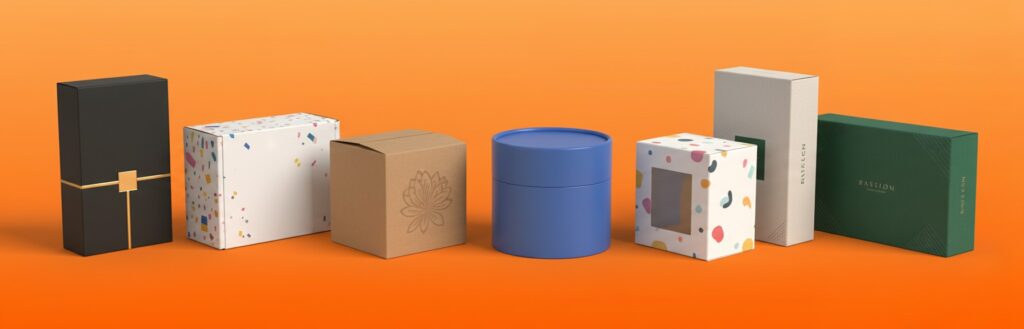
The right packaging design makes all the difference in how your product looks and feels. It’s way beyond just a box or wrapper; it’s creating a story, first impression, and helping you differentiate from the competition. A well-designed package brings in trust, and it makes a product more valuable.
The silent salesman in the market today contains many varied products. It is the custom packaging design that attracts buyers into taking an interest in the product even before the product has been touched. The packaging portrays the brand message with clarity and beauty in design and color, with a logo.
Understanding Custom Packaging Design
That is, design and packaging that fit the size, shape, and purpose of a product. In other words, your packaging is not ready-made but made for your brand. That way, it helps in making your product look unique and professional.
A custom design will involve the selection of appropriate material, color, font, and style of printing. Every little thing matters, as it is going to be a part of how the branding is going to be perceived in the years to come. Good packaging design helps remember the product and believe in its quality, too.
How Custom Packaging Builds a Strong Brand
Branding means the ways through which the perception of any product is built in the mind of the buyer. Custom packaging builds the image of a brand. If the packaging reflects the personality of the brand, then it is relatable to buyers with ease.
Some eco-friendly brands use Kraft paper or recycled materials to show how much they care about nature, while some high-end brands seek to associate themselves with class by using matte and glossy finishes with gold foil to show how elegant they are. This generally says something about what the brand is all about through the choice of this design.
Because this brand is so consistent across different types of packaging, the brand seems very reliable and professional. Once people see the same logo, color scheme, and style of design everywhere, they just recognize the product.
The Key Elements of Successful Packaging Design
There are a few key elements common to each great packaging design. Each of these helps in the making of a product that is both attractive and memorable.
1. Positioning of the Logo
The logo is the face of the brand. It has to be clear and visible, well-balanced, and rightly placed. A well-placed logo will really make people recognize the product in an instant.
2. Color Scheme
Colors speak directly to emotions. Soft colors serve to create a feeling of calm, while bold colors are attention-grabbing. Choosing the right color actually comes naturally and really relates to what the product is used for, along with its brand identity.
3. Typography
Font style gives the design its personality. Simple, readable fonts are clean and professional in appearance. Fancy or bold fonts can be used effectively to achieve specific effects, but clarity will always come first.
4. Material Selection
With the kind of material used for packaging, the quality of the brand speaks. Cardboard, kraft paper, corrugated board, or rigid boxes give a completely different feel. It should correspond with the product usage and its price range.
5. Figures and Graphs
Pictures, icons, and patterns make packaging more attractive; with them, it is possible to show what is inside or to create a mood that fits into the general theme of the brand.
The Psychology of Packaging Design
Packaging design may affect the attitude of consumers toward products, and colors, shapes, and textures might alter purchasing behavior. For example, green packaging gives a natural and healthy feeling, black shows luxury and power, while blue stirs feelings of trust and calm.
The texture can make it feel even more premium, whether it is smooth or has a rough surface. Even little things like embossing or foil stamping will raise the value of the box substantially. Well-devised design turns simple packaging into an emotional experience.
How to Design an Effective Custom Packaging Design
That is not all; custom packaging involves a lot more than just looking good, planning, creativity, and knowing who your target audience is.
Step 1: Research on the Product
Different products have different requirements; some are very fragile and need very strong protection, while there are luxury products whose packaging material is premium. Knowing what the product requires will help in designing the right packaging.
Step 2: Know Your Target Market
Targeted packaging: bright colors might be for youngsters, while elegant designs should belong to adults. Understand the target market if you want to address the right people.
Step 3: Ensure Branding Consistency
Every package type, from mailers through to gift and display boxes, should follow one specific design style. Consistency in branding creates trust and, with time, long-term memory.
Step 4: Choose Quality Printing
High-quality printing implies sharp and vivid-looking designs. Offset or digital printing makes for different results. Which to use depends on the design’s complexity and budget.
Step 5: Add Functional Features
Practical features such as ease of opening, resealable flaps, or handles add to the user experience. Good design is beautiful and useful.
Trends in Sustainable and Eco-Friendly Packaging
The modern buyer is ecologically conscious. Eco-friendly packaging creates a good image and thus appeals to the conscious customer.
Other trendy materials include recycled cardboard, Kraft paper, and biodegradable film. Minimum inks and simple printing on reusable boxes are all adding a touch of sustainability.
Going green with packaging does not just help nature but boosts brand trust, too. Many buyers would go for brands showing concern for the planet. Green packaging builds a sense of responsibility and respect.
How Packaging Adds Value to Products
Beautiful packaging makes the products look worth more; it creates excitement, adding emotional value. Packaging can make moments like unboxing special when it looks and feels premium.
People share such pretty unboxing moments on social media. That itself is a free promotion for the brand. They might even retain it as a storage box if it’s well-designed, thus keeping your brand in view for a longer period.
Added luxury touches of magnetic closures, foil stamping, and spot UV coating give the product a really high-end feel. The right finish can even make the most minimalistic designs look great.
Common Mistakes to Avoid in Packaging Design
Actually, even good packaging ideas fail if some basic things are disregarded. Overcrowding in designs just perplexes the buyers. Too many colors or fonts look messy.
Poor material gives a cheap appearance and may feel cheap, even if the inside product is good. Neglecting protection will result in damage to the product during shipment.
The best design is simple, clear, and durable; it does not include any extra decoration just to convey the brand message.
Testing and Improving the Packaging Design
Testing provides the right insight into what works best prior to finalizing packaging. How the packaging looks on the shelves, how it protects the product, and buyers’ reaction toward it are all useful feedback.
These sometimes involve minor makeovers, like changing the tone of color or size of a logo. Continuous improvement keeps packaging contemporary and up to date.
Advantages of Custom Packaging Design for Branding
Long-term benefits abound when it comes to custom packaging. Other benefits of custom packaging include visibility, building trust, and helping compete with big brands.
This also strengthens customer loyalty as people always remember the way certain products look and feel in their hands.
Unique packaging also makes it harder for the competition to adopt a similar style. When every design detail, from color to texture, fits the brand story, it creates a strong emotional link between the product and the buyer.
Conclusion: Making Packaging a Brand Power Tool
Custom packaging design is not just a product cover; it’s a complete branding tool that connects visuals, emotions, and function. Smart design builds identity, adds value, and engenders trust from customers.
With the right mix of imagination, quality, and continuity, packaging forms part of a continuing brand story. A well-designed package ensures the product is never missed in a world full of options.
FAQs
Q1: What makes it a custom packaging?
The packaging is considered custom when it is designed especially for the shape and size of the product, and according to the brand style of the company.
Q2: Why is custom packaging important to branding?
It builds brand identity and trust, hence making it outstanding in the market.
Q3: What is the best material for customized packaging?
Common usages depend on what kind of product it is; it can go from cardboard and Kraft paper to rigid board.
Q4: Can green packaging be good-looking?
Yes, it can if there is intelligent printing with less design on it.
Q5: How does packaging affect buying decisions?
Colors, design, and material influence perceptions about a product, which then affects buying behavior.
Q6: How does custom packaging improve customer experience?
It adds a personal touch through unique designs, premium materials, and thoughtful details, making customers feel valued and excited to unbox the product.
Q7: Can small businesses afford custom packaging?
Yes, with smart design choices and minimal printing, small brands can create affordable yet appealing packaging that enhances their professional image.