
The Psychology of Packaging: How Design Shapes Buying Decisions
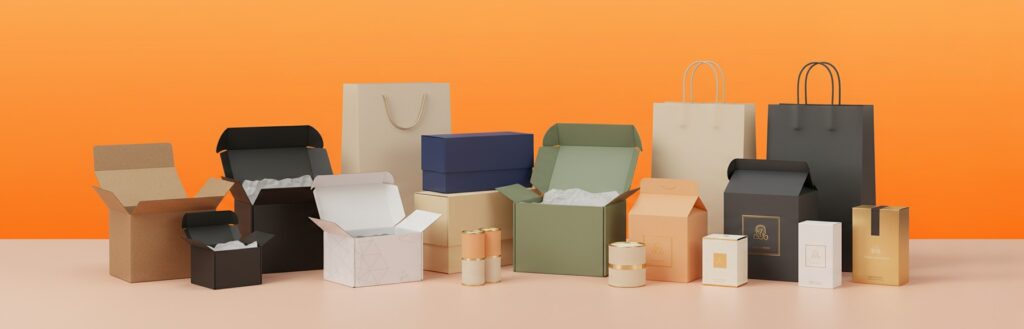
In the scramble for marketing today, packaging is anything but just the protection of the product. It’s all about how a brand differentiates and develops an emotional bond with its buyer. One box or one bag will make a person select one product over another. Good packaging tells a story, builds trust, and creates desire even before it is touched.
Psychology of Packaging can help explain how even the smallest design decisions can affect consumer choice.
What is Psychology of Packaging?
Packaging psychology is the science dealing with how design influences human emotions and behaviors while shopping. Every color, shape, texture, and imagery on custom packaging speaks volumes, and that message will make the person feel a certain way about the product inside.
Think of an example: a box of luxury chocolates, say, wrapped in gold foil with a soft-matte finish, would convey that quality feel. A snack pack in screaming colors with playful fonts would evoke fun and an exciting mood. The mind reacts right away to those signals, and even before reading one word, it has started to form opinions.
First Impressions Matter
First impressions decide whether the product is going to be noticed or not. In real life, too, hundreds of similar products fight shoulder to shoulder for the customer’s attention, and online, it is just the same. Noticeable packaging will make the product stand out in seconds.
An alluring yet clean design can capture one’s attention even from afar. In an instant, curiosity develops, and the hand reaches for that particular item. This instant attraction pinpoints how strong first impressions are in packaging design.
Color Psychology in Packaging
Colours are the silent storytellers. Each colour creates a certain emotion, a certain mood. Intelligent use of colours attracts the right audience and conveys brand values, too.
- Red symbolizes energy, excitement, and urgency, and would therefore work for packaging related to either food or a sale.
- Blue is a color of calmness, trust, and professionalism, and it simply goes hand in hand with health or technology products.
- Green stands for nature, health, and sustainability; it is very good for green product packaging.
- Black represents luxury, power, and elegance; the color of high-end packaging is usually that.
- White symbolizes simplicity, purity, and freshness that could be applied to skin care or minimalistic style brands.
The neuroendocrine system primarily controls a number of human body systems by triggering most of their activities through the secretion of hormones.
Even very small color changes can amount to huge differences in the perceived feel of a product. Dark green can give this box a much more premium feel than it would have as light green. Brands use this knowledge to induce emotional responses consistent with their goals.
The Role of Fonts and Typography
The fonts speak in their silent way, too: the bold font is strong and confident; the handwritten style speaks of warmth, of a personal touch.
Modern sans-serif fonts are clean and simple, just perfect for modern brands. Script fonts create touches of creativity and charm on products; they may be found in bakery or even beauty packaging. The right typography will create identity and mood straight away. Consistency of style in fonts across all products creates better recognition.
Shape and Structure: Beyond the Box
Shape does make a difference when it comes to packaging and in people’s perception. The more out of the ordinary or functional the design is, the higher the level of curiosity and memory of it will be.
Round shapes are friendly and soft, while the square or angular shapes express strength and stability. Slimmer bottles or tall boxes feel elegant, while small and compact designs exude convenience.
Creative shapes catch the eye and, at the same time, may make the product easy to use or store. In such a way, practical value meets customer satisfaction and loyalty.
Texture and Material: Feelings Through Touch
Touch can create a strong emotional connection. The material or texture of the packaging could make this product instantly feel premium or cheap.
The smooth matte finish is classy and modern, while the rough kraft texture is natural and ecologically friendly. Glossy coatings make colors pop and look posh.
Materials speak about brand quality and care without words; in that moment, the hand of the consumer touching the package will decide on trust.
Images and Graphics
Images are a way of communicating visually that can be quite powerful in the attempt to get brand messages across fast.
For example, fresh fruits could suggest natural ingredients, and a gold border might insinuate luxury. Well-chosen graphics make the packaging more relatable, thereby giving a clear idea about the purpose of the product.
The minimal designs are trending since they give a very modern and premium look without clutter.
Brand Consistency Builds Recognition
Packaging psychology is all about consistency. The same color palette, positioning of the logo, and font style across items create a strong visual identity.
Consistent packaging creates more recognition for a brand both on the shelves and online. Recognition, in turn, creates trust, and trust creates repeat customers.
A person might not read the name of the brand, but color and design might remind the mind of past satisfaction. That is the power of visual memory in packaging.
Cultural Influence on Design Choices
Packaging psychology is also dependent on culture. Colors or symbols that create a positive feeling in one region might mean something else in another region.
For example, while white is a color of purity in many Western countries, in some Asian cultures, it is a color of mourning. Meanwhile, the often-lucky color of red in China may be too bold-looking for another market.
Global brands change packaging to cultural meanings for an idea of comfort and appeal to local purchasers.
Minimalist vs. Bold Packaging Styles
Currently, two styles rule the modern packaging design roost: minimalist and bold.
- Minimalist Packaging: Clean lines, soft colors, and minimum text. Minimalist packaging looks premium and calm; it is often associated with luxury or health products.
- Bold Packaging: Strong colors, playful fonts, and big graphics. Because it catches quick attention, it’s good for snacks, drinks, or youth products.
It depends on the target audience and the brand personality. Both are capable of stirring emotion when used in effective ways.
Sustainability and Emotional Connection
Eco-friendly packaging also influences purchasing decisions because many contemporary consumers support only those brands that are environmentally friendly.
Along with recyclable, biodegradable, or reusable packaging, there comes a feeling of responsibility and pride. A natural look with kraft paper or using soy-based ink will surely attract the minds of eco-conscious customers.
Green packaging enhances the emotional link and brand image as it saves the environment.
Unboxing Experience: That Final Touch of Emotion
One of the strongest areas in packaging psychology involves the unboxing moment. Product satisfaction is increased when a well-designed box is opened.
Tissues, thank-you notes, or even inserts with a custom design turn plain delivery into an experience. The emotional delight here is what triggers social sharing, reviews, and brand loyalty.
A good unboxing design will turn one-time buyers into repeat customers.
Trust Through Transparency
Clear packaging or honest labeling helps engender trust. When ingredients, product details, or usage instructions can be clearly seen, then confidence is built.
Transparent packaging turns out to be particularly effective with food and cosmetics, due to its capability to show what is inside. This sends the message that nothing is hidden. Transparency will create that kind of trust, which improves customer relationships.
Psychological Triggers That Drive Purchases
Different psychological triggers present themselves to affect purchasing behavior through packaging design, which includes:
- Curiosity: People have the urge to find out more with unique designs.
- Familiarity: Repetition of display elements creates a sense of safety and reliability with products.
- Scarcity: Limited-edition packaging provides a sense of urgency and creates excitement.
- Social Proof: Labels like “bestseller” or “most loved” build confidence.
Packaging that smartly combines these triggers raises sales and creates strong emotional connections.
Digital Shelf Appeal: Online Packaging Psychology
Even in online shopping, packaging design still matters before there is physical contact. High-quality photos, clean layouts, and clear product details are what drive digital buying decisions.
Brighter images and less clutter make the product appear more reliable on the screen. Visual psychology works faster online, as buyers are judging mostly by pictures.
How Good Design Builds Brand Loyalty
Once a buyer feels satisfied with the look and feel of a product, emotional loyalty forms.
The packaging becomes part of the brand memory, and the next time that kind of product is needed, this very same design comes to mind first.
Beautiful, well-thought-out packaging makes casual buyers loyal fans who will recommend this product to others.
Conclusion: Packaging is Silent Marketing
Packaging is much more than a container — it’s silent marketing, speaking directly to emotions, trust, and memories.
Color, shape, texture, and design all combine to impact purchasing behavior. In fact, a packaging psychology is really what enables a brand to connect with its audience on deeper levels and remain memorable for years.
Not only does smart packaging design drive more sales, but it may also make indelible impressions that words cannot.
Short FAQ Section
Q1: Why does packaging color matter so much?
Colors trigger emotions in an instant and help attract the right audience for each product type.
Q2: How can packaging improve brand trust?
Clear labels, good materials, consistent designs—all signs of honesty and care that naturally create trust.
Q3: Why is minimalist packaging so popular?
Minimalist designs are clean, look premium, and are easily recognizable, especially in the luxury and health categories.
Q4: How does eco-friendly packaging affect buying choices?
Sustainable packaging emotionally resonates with buyers who consider environmental responsibility.