
Science Behind Packaging That Converts Shoppers to Buyers
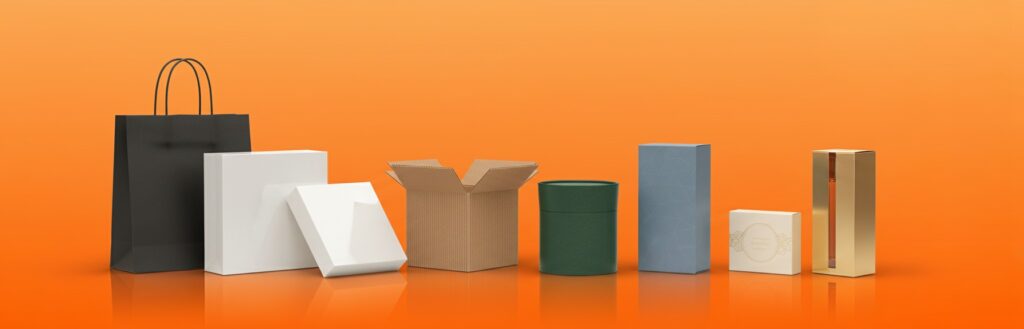
Science behind packaging speaks, attracts, and builds confidence; it does much more than hold any product. Any ordinary product gets out of the ordinary with a well-designed box. The better it looks; the more assured people get. Today, in this competitive market, smart packaging has made all the difference between a sale and a scroll past.
1. First Impressions Matter
With product packaging, it is all about first impressions. The human mind processes visuals much faster than words. This is where attention will be caught at once: when the packaging is clean, colorful, and professional. When a box fits the personality of a product, an instant connection is made.
That spark occurs only when the color, texture, and design elements come into play—for example, bright colors build instant attention while soft tones speak of calmness and class. The right first impression often leads to a fast decision to purchase.
2. Science Behind Packaging and the Psychology of Color
Color plays a very important role in packaging with respect to purchasing decisions. Each color sends a certain message to the brain and sets off an emotion.
- Red can be used to mean excitement or urgency. The color aligns well with snacks, energy drinks, or clearance offers.
- Blue generates trust and peace, so it’s common in products, either in technology or healthcare.
- Green, being the color of nature, would be apt for anything that is labeled as eco-friendly or organic.
- Generally, in the boxes of perfumes and jewelry, it is noted that overall gold and black is quite sophisticated.
While colors guide emotions much before a product is touched, it’s the smart use of color that helps the packaging connect to the target audience in an instant.
3. How Texture and Material Create Emotional Connection
The type of material used in packaging will give the feel of the package in hand. Smooth and glossy textures provide a modern high-end look and feel, whereas matte finishes offer soft, natural appeal. Recycled or kraft paper materials show that you care about the environment, and that is something quite a few customers will love.
Also, when packaging feels good, it creates positive feelings in the brain, and those usually push a shopper to close the deal, because an emotional attachment is formed, be it due to something as simple as a soft-touch coating applied to a box.
4. The Power of Shape and Structure
Shape impacts not only how well the custom packaging performs but also the shelf appeal: unique shapes pop on the shelves and can make the product instantly recognizable. A square box feels very stable and dependable, while a round box imparts a softer, more creative feel.
Easy-open packaging adds extra comfort. The easier a product is to handle, the more satisfaction one feels when using it. Functional but nice-looking designs leave long-lasting, good memories.
5. Typography: Small Letters, Big Impact
Fonts can tell a story without words. Style and the way of setting the letters make all the difference in the feel of the product. Bold fonts make for a stronger design, and refined cursive styles add elegance. Clear, readable text breeds trust.
When one can read the ingredients, usage, or brand name, then there is a degree of confidence inspired. Confusing or cluttered typography chases interest away. Good font choices can make packaging look not only good but also feel professional and honest.
6. The Role of Visual Hierarchy
The visual hierarchy is the arrangement of designed elements in proper order. The eye moves from big to small, from bold to light, from bright to soft. The key information that needs to be communicated here is the brand name or product benefit, and it needs to be front and center. Ingredients or barcodes can be smaller or on the back.
A balanced arrangement helps the brain to process information more quickly, while neat, organized packaging feels more trustworthy and valuable.
7. Storytelling Through Design
Every design tells a story. Packaging might show what the brand is about with a few words. Symbols, patterns, or colors can suggest traditions, innovations, or sustainability.
A coffee brand might be all earthy tones and illustrations of flora to evoke freshness and natural quality. A technology product might use metallic finishes to convey modern design and precision.
Where packaging tells a story, it creates an emotional attachment in customers, and this emotive link often converts curiosity into a purchase.
8. Neuroscience of Packaging and Buying Behavior
Science says packaging turns on parts of the brain that involve emotions and memory. The human brain is wired to strongly react to beauty, order, and color contrast. The experience is multi-sensory; packaging is appealing both to sight and touch. It is this experience that forms memory.
When a shopper can remember how good a product looked or felt, the chances of its future purchase increase. The reward system of the brain, plus packaging, will make buying a pleasure rather than a chore.
9. How Brand Consistency Builds Trust
Consistent packaging builds brand recognition. This is because, when all boxes, labels, and designs are similar, consumers will easily recognize a certain brand. Consistency speaks to reliability. It means the brand addresses all minute details that concern the quality factors.
The same logo, tone, and color pattern across products create a strong identity. Familiar packaging instills a sense of safety in buyers when choosing it again. This repeat trust then turns those one-time buyers into loyal customers.
10. Minimalist Design: Less Sells More
The simpler the packaging is, the better it often is. Clean lines, neutral tones, and limited text let the product be the star. Minimalist design gives an air of confidence and honesty. Too many elements confuse the eye in most cases.
Simple packaging keeps the focus on what matters most: the product itself. Besides, it looks more premium, at least in high-end or eco-friendly markets.
11. Sustainable Packaging – The New Selling Point
Eco-friendly packaging is effective not just for the planet but also for business. Shoppers today like choosing a brand that cares about nature. Recyclable, compostable, and biodegradable materials used in the making of boxes have their future market in ecological consumers.
Such sustainable materials assure natural kinds of appeal both in texture and appearance. The positive brand image through sustainable packaging sends a very clear signal that quality and responsibility go hand in hand.
12. Smart Packaging Technology
Technology is breathing life into packaging. QR codes, NFC tags, and augmented reality will make unboxing more interactive. Scanning a QR code may reveal a product video, usage guide, or even a brand story. That extra layer of engagement keeps buyers connected well beyond the buy. It makes any product feel innovative and modern to help build deeper relationships between brands and their customers.
13. The Unboxing Experience
Unboxing has started to become an important moment in marketing strategies. Many buyers document the unboxing and later share it via the internet. The best feeling is when the packaging opens well and the presentation of the product is beautiful.
Those little things, such as thank-you cards, tissue paper, or ribbons, make it a special experience. Exciting unboxing tends to encourage customers to share on social media, which is free marketing and great visibility for any brand.
14. The Role of Transparency in Building Trust
Transparent packaging, or windows in boxes, lets the shopper view what’s inside. This removes doubt and builds trust. A feeling of honesty comes with seeing the real product inside. This works great for food, skincare, and handmade goods.
Transparency has a lot of benefits: less hesitation, since buyers will know exactly what they are buying. Drives consideration to confident purchase.
15. Social Proof and Packaging Design
People trust what others trust. Add this to packaging in the form of awards, certifications, or testimonials, and one instantly gets credibility. Symbols like “Vegan Certified,” “Cruelty-Free,” or “Made from Recycled Materials” build trust.
This form of visual proof gives the shopper some assurance that this product is safe and genuine. Social proof communicated through packaging can easily convert interest into sales.
16. Seasonal and Limited-Edition Design
Special edition packaging creates excitement and a feeling of urgency. Limited-edition designs make products feel rare and collectible. Seasonal packaging in the form of festive colors or holiday themes draws in immediate interest.
It gives shoppers a reason to buy before it’s gone. Scarcity ignites desire, and desire drives sales. The seasonal packaging will keep your brand fresh and relevant all year long.
17. Price Perception and Packaging
Packaging may make a product look expensive or cheap, depending on the finishing. A product will generally appear more valuable with neat finishing, firm material, and fine printing. Better packaging, even for a similar actual product, justifies a higher price and is called perceived value.
Good packaging creates the impression that one is buying something special, not ordinary. That impression very often gets converted into an action at the checkout counter.
18. Balancing Design and Function
Attractive packaging means nothing if it fails to protect the product. Function and design go hand in glove. Durable materials prevent damage during shipping. Right-sizing avoids waste and saves cost. Thoughtful structure ensures safety while maintaining beauty.
Satisfaction will grow from first look to final use when packaging provides both protection and appeal.
Conclusion: Turning Science into Sales
Behind every great package, there is a smart mix of design, psychology, and strategy. Every color, texture, and shape works in concert to influence the brain and emotions. If the packaging feels right, looks right, and tells a story, it does more than hold a product—it sells it.
From first impression through unboxing joy, packaging has kept its status among the highest-ranked silent sales tools in the retail world. And the science behind packaging keeps on molding and changing how shoppers think, feel, and buy.
FAQ Section
Q1: What makes up effective packaging that converts buyers?
Packaging effectively drives sales because it includes great design, color psychology, and an emotional attachment.
Q2: Why are colors so important in packaging?
Colors evoke emotions and trust. Each color will stimulate the brain differently, which can have an effect on buying behavior.
Q3: How does packaging relate to price perception?
Premium packaging raises perceived value and consequently the price that a company can charge for an item without having to make any actual changes to the item.
Q4: What is the role of sustainability in packaging design?
Eco-friendly packaging instills trust, strengthens brand image, and appeals to today’s responsible consumer.
Q5: How does packaging contribute to brand loyalty?
Consistent, memorable packaging evokes emotion; it lures buyers back for more.