
7 Packaging Mistakes That Damage Your Brand Image
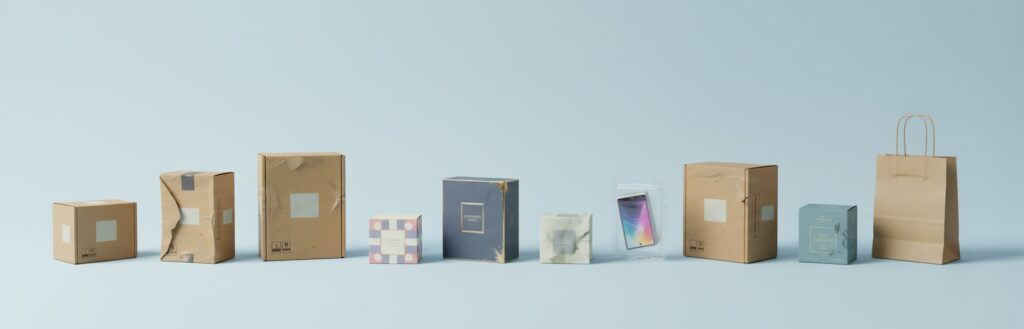
First of all, what a customer is usually attracted by is the packaging. Packaging mistakes are one way to show quality, value, and personality. Good packaging will give a strong impression, build up trust, and encourage repeat buys. Bad packaging may destroy brand image, disappoint customers, and reduce sales.
By learning about common mistakes made in packaging, companies can develop better packaging for appealing to customers, protecting products, and building brand reputation.
Using Generic Packaging
Generic packaging is very plain, standardized packaging without any representation of the brand. No logo, brand colors, or unique design elements appear. Generic packaging makes the product look ordinary and forgettable.
1. Why Generic Packaging Hurts the Brand
The customer is unable to identify the brand. The product looks cheap and low quality. Competitors with branded packaging stand out more. It negatively impacts customer trust because the packaging does not express professionalism.
2. How to Improve Packaging
Add brand logo, brand colors, and patterns. Use unique shapes or patterns to be noticeable. Use packaging to reflect the brand story and values. Add small elements such as a tagline, website, or QR code.
Example
Suppose two skincare brands sell the same cream—one in a plain white box, the other in a branded box with colors, logo, patterns, and tagline. Customers will choose the branded box because it looks professional and attractive.
Additional Tips
Study competitors’ packaging to learn what works. Ensure branding is visible from all sides of the package. Add memorable elements that make the packaging recognizable.
Low Quality Materials
Poor-quality packaging will tear, break, or be damaged in transit. Damaged products lead to unhappy customers and reduced loyalty.
1. Brand Image Effects
The product arrives damaged. Customers lose confidence in the brand. Returns and complaints increase, reducing profit. Negative reviews harm online reputation.
2. How to Use Better Materials
Use thick, strong cardboard, kraft boxes, or rigid boxes for heavy/fragile items. Pressure-test the packaging for durability. Use water-resistant, tear-proof, or shock-absorbing materials for fragile items. Add protective inserts like bubble wrap, foam, or padding.
Example
An accessory brand used thin cardboard boxes that arrived crushed. Customer complaints increased. After switching to rigid boxes with inserts, product damage decreased and repeat purchases increased.
Extra Tips
Use eco-friendly yet durable materials. Add labels like “Fragile” or handling instructions. Ensure the product fits securely without movement.
Overdesigned Designs
Over-designed packaging uses too many colors, graphics, patterns, or images, making it confusing instead of attractive.
1. How Overcomplication Hurts a Brand
Customers cannot easily read important information. The brand message becomes unclear. The product looks unprofessional. The packaging distracts from the product itself.
2. How to Simplify Design
Keep the layout simple and organized. Emphasize logo, product name, and key message. Use only 2–3 colors for clarity. Use readable fonts.
Example
A snack brand used five colors, many images, and decorative fonts. Customers could not see the flavor or brand name at a glance. After simplifying the design to one main image and clear text, sales improved.
Extra Tips
Avoid illustrations that do not support the brand message. Use icons and symbols instead of long text. Test designs with customers for visual clarity.
Disregarding Labeling and Instructions
Labels provide essential information: ingredients, usage instructions, warnings, weight, and manufacturer details. Clear labeling builds customer confidence.
1. Dangers of Ignoring Labels
Customers may misuse the product and harm themselves. Missing required information can cause legal issues. Customer satisfaction declines due to unclear information. Brand credibility suffers.
2. Best Labeling Practices
Clearly list ingredients, instructions, and warnings. Use simple words and readable fonts. Include accurate weight, size, or volume. Use local language, adding English only where necessary.
Example
A skincare brand did not list allergens. Several customers had reactions and complained online. Sales dropped and the brand faced legal problems. Accurate labeling could have prevented this.
Extra Tips
Highlight keywords like “organic” or “cruelty-free.” Keep label placement consistent across products. Use QR codes for more product details online.
No Custom Packaging Available
A personal touch makes customers feel valued and increases loyalty.
1. Negative Impacts of Non-Personalized Packaging
Packaging feels generic and forgettable. Customers may not remember the brand. Repeat purchases decline. Customer connection becomes weaker.
2. How to Customize Packaging
Add handwritten notes, thank-you cards, or small messages. Include customer names or special messages. Add custom inserts like samples or instruction cards. Use seasonal personalization (holiday messages, etc.).
Example
A chocolate brand added a card saying “Thank You, Enjoy Your Sweet Moment.” Customers shared it online and repeat purchases increased.
Extra Tips
Add discount or loyalty codes. Slightly change personalization for returning customers. Personal touches encourage customers to share online.
Lack of Attention to Sustainability
Eco-friendly packaging protects the environment and appeals to nature-conscious customers. It builds a positive brand image.
1. Problems with Non-Eco Packaging
Customers avoid brands harming the environment. Negative social media reviews reduce sales. The brand loses credibility among eco-aware buyers.
2. Steps Toward Green Packaging
Use recycled or biodegradable materials. Avoid excessive plastic or paper layers. Use reusable or refillable packaging. Highlight eco-friendly features on the packaging.
Example
A beverage brand switched to biodegradable bottles. Customers responded positively, boosting brand image and sales.
Extra Tips
Promote sustainability in marketing. Partner with recycling programs. Educate customers on proper disposal.
Inconsistent Branding
Consistent branding means using the same logo, colors, fonts, and style across all products. Inconsistency confuses customers and weakens recognition.
1. How It Hurts a Brand
Customers cannot easily identify the brand. Products look unprofessional. It causes confusion and weakens brand messaging. Repeat purchases decline due to poor recall.
2. How to Ensure Branding Consistency
Use the same logo, colors, and fonts across packaging. Follow clear brand guidelines. Refresh packaging carefully to maintain identity. Study competitors while keeping consistency intact.
Example
A tea brand used different logos and colors for each flavor, confusing customers. After redesigning with a consistent look, recognition and sales increased.
Extra Tips to Avoid Packaging Mistakes
Check product fit, durability, and usability. Test shipping conditions (drops, pressure, water exposure). Gather feedback from customers or focus groups.
1. Focus on Customer Experience
Make unboxing enjoyable and memorable. Include surprises: samples, notes, or discount codes. Ensure the package opens easily without damage.
2. Follow Market Trends
Stay updated with new packaging innovations. Upgrade designs and materials regularly. Explore modern finishes like matte, gloss, embossing, or foil.
3. Communicate Brand Story
Packaging should tell your brand story. Use colors, visuals, and words to connect emotionally. A strong story increases customer loyalty.
Conclusion
Packaging is more than a box—it expresses brand quality, value, and trust. The most common mistakes include generic packaging, poor materials, overdesigned graphics, missing labels, lack of personalization, ignoring sustainability, and inconsistent branding.
Good packaging increases customer satisfaction, repeat orders, and brand recognition. It creates happier customers, better reviews, and stronger brand credibility.
FAQs About Packaging Mistakes
Q 1. Why does packaging impact brand image?
Packaging is the first thing customers notice. Good packaging shows quality and professionalism. Poor packaging looks cheap and reduces trust, leading to fewer repeat sales.
Q 2. What is plain packaging?
Generic packaging is blank, non-branded, and simple. It contains no brand colors, logos, or identity.
Q 3. How do low-quality issues materials affect branding?
Poor materials can break or tear during shipping. Damaged products reduce satisfaction and trust, leading to bad reviews and fewer repeat orders.
Q 4. What is complex packaging design?
Overdesign means using too many colors, fonts, patterns, or decorations. It confuses customers and hides important information.
Q 5. Why is labeling necessary?
Labels provide ingredients, instructions, warnings, and product facts. Missing or unclear labeling can confuse customers and create legal problems.
Q 6. How does personalized packaging help a brand?
It makes customers feel valued, increases satisfaction, and improves loyalty. Personalization can be done through notes, names, or small gifts.
Q 7. Why is green packaging important?
Eco-friendly packaging protects the environment and appeals to conscious consumers. Non-eco packaging harms the brand’s reputation.
Q 8. What is inconsistent branding?
Using different logos, colors, or designs across products. This causes confusion and weakens brand recognition.
Q 9. How can one avoid packaging errors?
• Use clear branded packaging.
• Choose strong materials.
• Keep designs simple.
• Add proper labeling.
• Personalize packaging.
• Use eco-friendly materials.
• Maintain brand consistency.
Q 10. Does packaging help with repeat orders?
Yes. Attractive and functional packaging improves customer satisfaction and increases repeat purchases and recommendations.
Q 11. How does poor unboxing experience affect customer perception?
A dull or frustrating unboxing experience makes customers feel less excited about the product. Difficult-to-open packaging or boring presentation can reduce satisfaction, making customers less likely to repurchase or recommend the brand.
Q 12. Can unclear packaging design affect purchase decisions?
Yes. If customers cannot quickly understand what the product is, who it’s for, or what benefits it offers, they may skip it and choose a competitor. Confusing packaging leads to lost sales and lower shelf visibility.