
7 Brilliant Food Box Branding Strategies That Increase Restaurant Sales
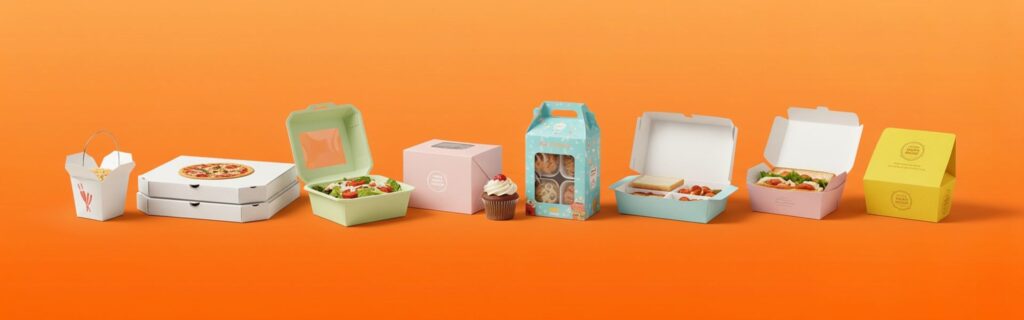
Food delivery in our times is a gargantuan aspect of our lives. Everyone wishes food to be delivered to their doorsteps. But if many restaurants are delivering, then why should a particular brand be different from others?
The answer lies in food box branding.
Your food box is not a packaging product. It is an unpaid salesman, describing your restaurant. Excellent and intelligent box design can make your food look more premium, drive customer confidence, and increase your restaurant earnings.
Here are seven great food box branding strategies in this article that help restaurants attract more customers and earn more money. They are all simple, affordable, and work well for small or big food businesses.
1. Build a Strong Brand Identity
Your box design will tell the story of your restaurant. A powerful brand identity makes your food boxes recognizable and synonymous with your brand. Use your branding colors, typography, and logo consistently. This will ensure the customer remembers your brand loyalty every time they order from you. For instance, if your restaurant venture has to do with healthy food, you can use natural colors such as brown or green. If it is about a fast-food business, red or yellow will be suitable because they stimulate hunger.
Make the design simple and easy to view. Avoid cluttering it with too much text or images. Simple designs are professional and easy to recall.
2. Highlight Eco-Friendly Packaging
People today care about the planet. Most would appreciate it if restaurants went green with food packaging. It’s green, and it’s also a value statement for your business. It’s that you’re not just about money but people and the planet too. You can also imprint a little message inside the box, like “This box is recycled” or “Thanks for helping us save the world.” Little things make a difference and can turn one-off consumers into loyalists.
3. Add Personal Touches so That It Will Be an Experience Not Forgotten
Unboxing isn’t just for presents — it all counts with food as well! When your customers open their meal box, it should be the highlight of their day. Place something small like a thank-you note, an inspirational quote, or even a joke, on the inside of the lid. These little details make the experience unique. They show that your restaurant cares about its people. You can even place discount vouchers on future purchases or QR codes to lead to your social media sites. This makes repeat customers and online interactions. And don’t forget that happy buyers will share the unboxing experience they had on social media, which provides you with free word-of-mouth advertising.
4. Emphasize the Freshness and Quality of Your Food
Trust is the most important thing in the food industry. Your box would need to step out and declare that your food is fresh, clean, and of quality. Make use of simple design elements such as freshness stamps, simple ingredients, or a “Made Fresh Today” stamp. All of these instill trust among consumers in your product. You can also utilize clear packages or clear windows in bakery products or in salads. This makes it easy for customers to see the freshness involved, which plays a part in fostering trust. A well-designed new look sends a message to people that what they are getting inside is as good as the outside.
5. Brand Your Packaging Social Media Friendly
Social media is either going to kill or save your restaurant today. Everyone would tweet pictures of their meals, and if they make them look pretty, the better. So create “Instagram-worthy” packaging. Do it with funny shapes, risqué text, or adorable doodles that will get people to take pictures.
You can even put your restaurant QR code or hashtag on the box so customers can post online about you.
It also works for you by enticing organic traffic from posts by customers. It’s free marketing, which sounds natural.
6. Use Colors and Typography That Represent Your Brand Mood
No words are so potent as typography and colors. They create a mood and allow clients to perceive the personality of your restaurant.
For instance:
Red and yellow are best for fast-food establishments because they awaken hunger and energize people.
Green and brown remind one of freshness and nature — ideal for organic or veggie businesses.
Black and gold remind one of wealth and luxury — ideal for high-end restaurants or luxury packaging.
Your typography (fonts) must be readable and reflect your brand personality. Don’t use fonts strictly for design purposes.
Great color and font pairings deliver box visibility and allow individuals to see your restaurant from a distance.
7. Share Your Brand Story on the Box
Your restaurant does have a story — why not share it? You can photo print and reproduce your passion, path, or purpose in a tagline or short sentence for food. For instance:
“Love cooked in since 2015.”
“Grandma’s recipes inspired us.”
“Flavors of Asia on your plate.”
This little step forms the emotional bond between the customer and your brand. Your food is not just a meal but an experience. Customers enjoy supporting brands with passion and purpose.
Bonus Tip: Don’t Forget Functionality
Regardless of how nice your food box appears, it has to function well, too. The box must be able to keep food at a reasonable temperature, be safe for transportation, and not leak when being transported. Use materials that also keep out heat and moisture. Include handles for carrying if necessary. An operational box not only enhances the quality of service but also reduces wastage and complaints.
If customers receive their food in good condition, then they would most likely order again.
Case Study: How Clever Food Box Branding Boosted Sales
Let us take an example. One tiny pizzeria totally overhauled its food boxes with a twist — it put a humorous pizza saying on top and a QR code that would drive users to its Instagram page. Within four weeks, online followers increased by 45%. Individuals began posting photos of their pizza boxes on social media, and sales increased by 30%.
This is what happens when innovative branding makes a real business impact. A small design tweak makes all the difference.
Don’t Make These Food Box Branding Blunders
- Too much design or text: Distracting boxes are confusing customers. Drop it.
- Lack of green packaging: Waste-conscious customers now. Go green.
- Irregular branding: Same logo and color across the board.
- Bad printing: Sloppy prints or cheap paper render your brand uncompetitive.
- No customer interaction: Always instant comments or social shares.
Future of Food Box Branding
Food packaging will be digital and personalized in 2026. Restaurants are increasingly adopting smart packaging features such as QR codes, augmented reality, and NFC tags. These enable customers to monitor food freshness, view backstories, or even get immersed in a video of chefs. Sustainability will be the distinguishing factor. Companies employing compostable boxes and eco-friendly ink will enjoy customer loyalty. Future food box branding will not be look and feel – it will be connection, tech, and trust.
Conclusion: Make Your Food Boxes Sales Drivers
Food boxes are no longer boxes. They are an amazing marketing tool. With clever design, personalization, and sustainability, your boxes can make your restaurant pop. They build trust, put smiles on faces, and drive repeat orders. So begin to think of your food box as part of your brand narrative. Make it stand up to the test of your restaurant’s values, quality, and innovation. When your packaging is unique, so will your customers — and they’ll return.
FAQs related to Food Box Branding Strategies
Q 1. Why is food box branding critical for restaurants?
Because it allows your customers to become a part of your brand and identify with it, leading to sales.
Q 2. What is the most sustainable food packaging material?
Recycled cardboard, kraft paper, and compostables are all excellent choices.
Q 3. How do I make my food package visually appealing?
Rainbow colors, cool fonts, and innovative shapes that connect with your brand personality are magic makers.
Q 4. Are custom food boxes within the budget of small restaurants?
Absolutely! At low quantities, affordable custom packaging is accessible at most print shops.
Q 5. Does packaging actually generate reorder business?
Yes. Highly branded, lovely packaging is worth it and returns customers.
Q 6. How can food packaging improve customer experience?
Well-designed packaging keeps food fresh, easy to handle, and visually pleasing. It adds value to the meal by enhancing presentation. A great unboxing moment can turn a one-time buyer into a loyal fan.
Q 7. Can eco-friendly food packaging boost restaurant reputation?
Yes, customers admire eco-conscious brands that care for the environment. Using compostable or recyclable materials builds trust and positive perception. It also aligns your restaurant with modern sustainability trends.
Q 8. What printing options work best for food packaging?
Digital and offset custom printing give bright colors and clear designs ideal for branding. Water-based inks are safer for food contact and eco-friendly. High-quality printing helps your takeaway packaging stand out and feel premium.
Q 9. How can small restaurants personalize food boxes?
Add logos, brand colors, or catchy taglines to every box. Even simple touches like stickers or handwritten thank-you notes create a personal feel. Customization helps customers remember your brand easily.
Q 10. What trends will shape food box branding in 2026?
Minimalist, recyclable, and smart packaging with QR codes will dominate. Brands will focus on storytelling through design and sustainable materials. The goal will be to blend style, safety, and eco-responsibility.
I totally agree with the idea of keeping food box designs simple and professional. It’s easy to go overboard, but sometimes less really is more, and it creates a stronger brand association. Plus, simple designs make it easier for customers to remember your brand!